How to Stop a Labrador Chewing Everything
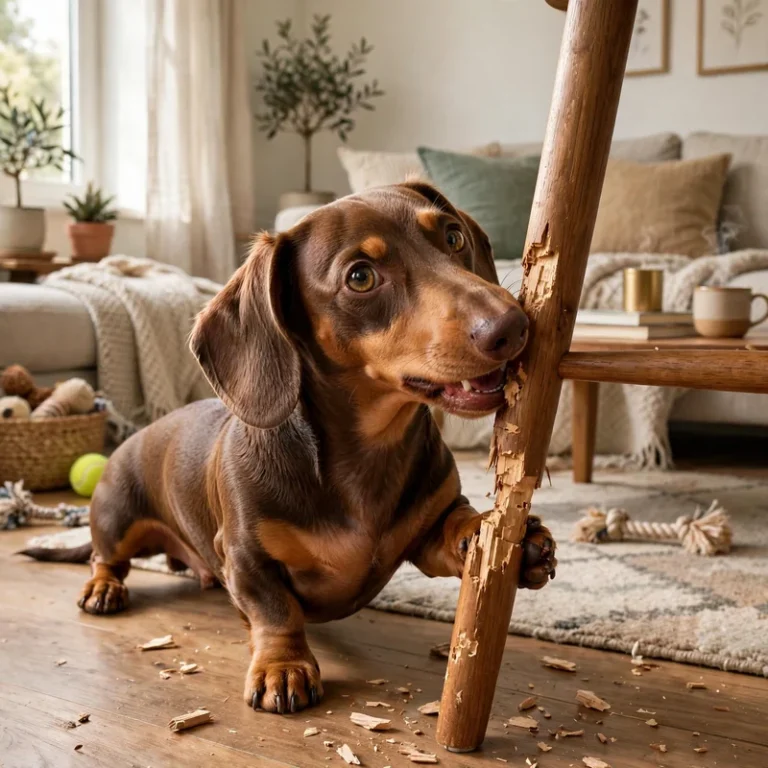
If your shoes, table legs, and remote all show tooth marks, you are not alone. Labs love to explore with their mouths, and that habit can take over a home fast.
The good news is that chewing is normal, and you can move it onto safe targets. This guide gives you a calm, step-by-step plan that uses rewards only.
Direct Answer: labrador chewing everything
To stop labrador chewing everything, remove the wrong choices, offer safe chews, and reward calm chewing every time.
Keep tempting items out of reach, supervise closely, and give your Lab daily play, training, and rest.
When your Lab picks up the wrong item, trade calmly for a safe chew instead of chasing or scolding.
Key Takeaways
- Labs were bred to carry things, so chewing is a trait to manage, not a flaw to punish.
- Puppies chew most while teething, and many Labs keep chewing for comfort, play, and relief from boredom.
- The plan is simple: manage the home, redirect to safe chews, and meet exercise and brain-work needs.
- Never chase a Lab for a stolen item, and never offer old shoes or socks as toys.
- labrador chewing everything is usually a mix of breed wiring, teething, boredom, and habit, not spite.
- See your vet promptly for pain, a sudden change, swallowing objects, or guarding items.
Why Your Labrador Chews Everything
Labradors were bred to pick up and carry game, so they learn about the world with their mouths. That mouth-first wiring is strong, and it lasts well past puppyhood.
Teething adds pressure. Sore gums make puppies chew to soothe discomfort, and cold, safe chews often help most in this stage.
Boredom is another driver. A Lab with little play, training, or sniffing time will often invent a job, and chewing is an easy one.
Breed mouthiness also plays a part. Many Labs carry shoes, toys, and laundry simply because carrying feels good to them.
That mix is why labrador chewing everything can feel constant in a busy home, even when your dog is friendly and well loved.
| Cause | What it looks like | What helps |
|---|---|---|
| Teething | Chewing hard items and sore gums | Cold safe chews and gentle redirection |
| Boredom | Chewing when idle or under-exercised | Play, training, food puzzles, and rest |
| Breed mouthiness | Carrying items and mouthing objects | A toy job, retrieve games, and calm trades |
| Distress or pain | Sudden change or chewing only when alone | Vet check and professional help |
Puppy Chewing Versus Adult Chewing
Puppies chew to explore and to ease teething, and they need close supervision and a safe puppy zone.
Adults usually chew from habit, boredom, or unmet needs, so the fix must change the daily routine, not just the toy box.
Do not expect teething to end all chewing. Adult Labs often keep a healthy chew habit for life, so safe chews should stay part of the plan.
Step 1: Dog-Proof the House and Supervise
Start with the home, not the dog. Every item out of reach is one less rehearsal of the wrong habit.
- Put shoes, laundry, remotes, bags, chargers, and children’s toys behind closed doors.
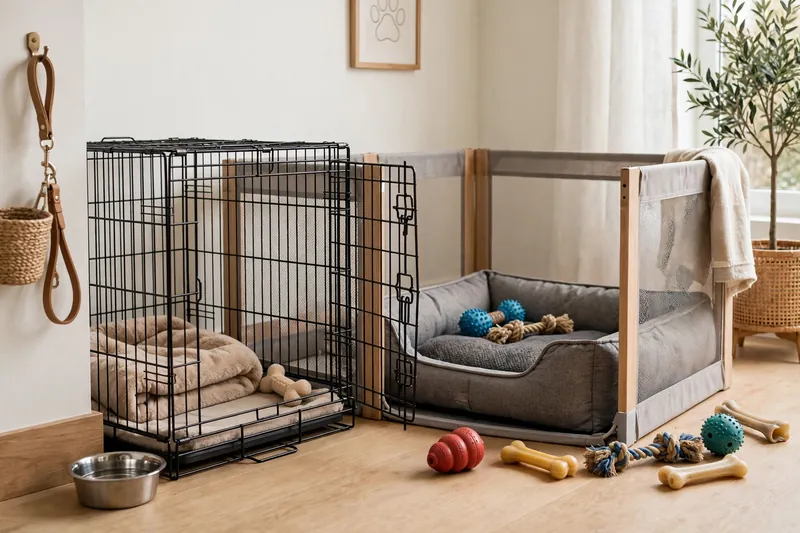
- Use gates, a pen, or a dog-proofed room when you cannot watch your Lab closely.
- Cover or block table legs and cords, and keep bins closed and out of reach.
Taste deterrents can help on a single furniture leg, but they do not teach a new habit. Use them only as backup, and test them where they will not show.
Never give old shoes, socks, or worn clothes as toys. Your Lab cannot tell an old shoe from a new one.
Kitchen habits often go with a busy Lab, so see our guide to stopping Lab counter surfing for food-stealing tips.
Step 2: Offer Legal Chews and Redirect Calmly
You cannot remove the need to chew, so move it onto safe targets. Offer a small rotation, not a pile of toys all at once.
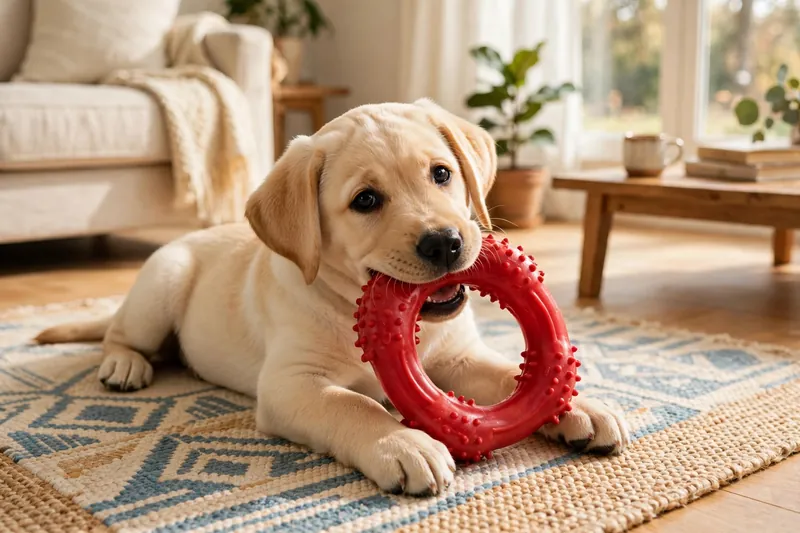
- Tough rubber toys sized for a large dog.
- Stuffable toys you can fill and freeze.
- Long-lasting chews that suit a strong chewer.
- Food puzzles and snuffle mats for brain work.
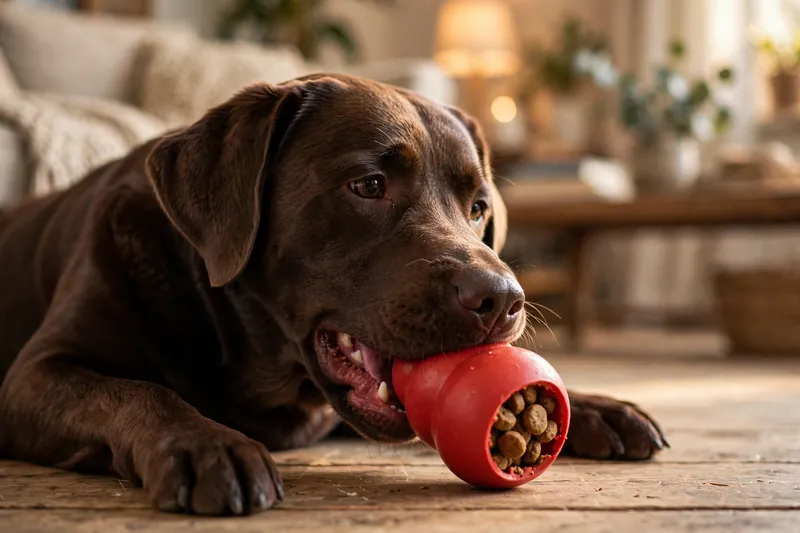
Stuff and freeze a hollow rubber toy with kibble and soft food. A frozen toy lasts longer and can soothe sore gums.
Trade, do not grab. Offer a treat or a better toy, say drop it once, and praise warmly when your Lab lets go.
If teeth on hands are also a problem, see our guide to stopping Labrador mouthing.
Use retrieve games. Fetch, find it, and carry games give a mouthy Lab a job, and a Lab with a toy in its mouth has less need to grab the wrong thing.
Step 3: Exercise and Mental Work
A tired Lab is not the whole answer, but a balanced day helps a lot. Aim for daily walks, play, training, and sniffing time suited to your dog’s age and health.
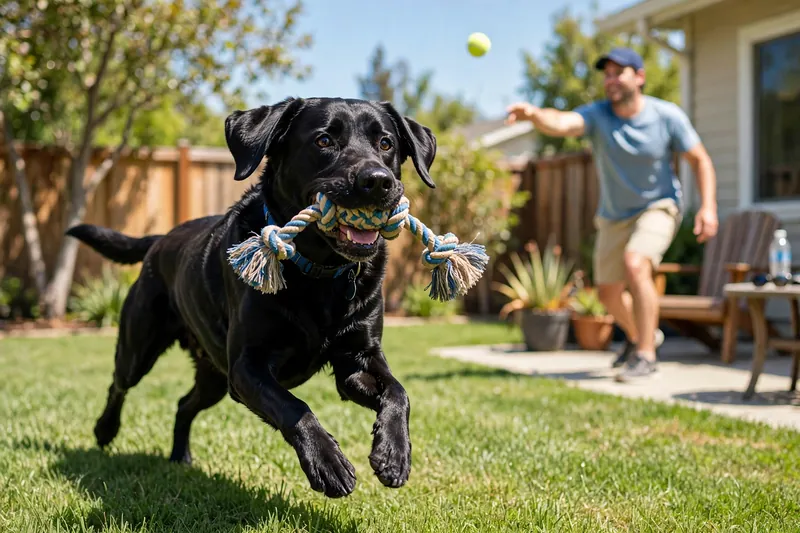
Mental work matters as much as movement. Short training sessions, food puzzles, and scent games can settle a busy Lab faster than a long, frantic walk.
Protect rest too. Overtired Labs chew more, so build in naps and calm settling, especially for puppies and adolescents.
Calm walks help too, and our guide to stopping a Labrador pulling on leash covers loose-leash basics.
Step 4: Teach Leave It and Drop It
Leave it: hold a treat in a closed fist, wait for your Lab to look away, then mark and reward from your other hand.
Drop it: offer a trade that is better than the item held, say drop it once, and praise the release. Never pry an item from your dog’s mouth.
Practice with toys first, in short sessions. A reliable trade keeps everyone safer when your Lab finds something risky.
When Chewing Happens When Left Alone
When labrador chewing everything happens only while you are out, look first at boredom and distress.
Boredom chewing often starts later in your absence, and your Lab may still eat a puzzle toy. Distress chewing often starts fast, focuses on doors and windows, and may come with pacing, vocalizing, or toileting.
For boredom, add exercise before you leave, a frozen toy, and a safe, dog-proofed space. For distress, keep absences short, build alone time slowly, and ask your vet and a qualified behavior professional for help.
Our guide to Labrador chewing furniture when left alone explains how to tell boredom from distress.
A Simple Daily Plan
| Part of day | Plan |
|---|---|
| Morning | Walk and play, breakfast from a puzzle feeder, then rest |
| Midday | Short training, a safe chew, and a nap |
| Evening | Second walk or game, calm chew time, then settling |
| Night | Managed rest space with nothing tempting in reach |
Troubleshooting
| Problem | Likely cause | Try this |
|---|---|---|
| Same table leg every day | Item is always in reach | Block access and place a chew nearby |
| Chewing spikes in the evening | Overtired or under-enriched | Add an earlier nap and a frozen chew |
| Chewing when you are busy | Boredom plus attention | Give the frozen toy before your call |
What Not to Do
- Do not chase. Chasing turns a stolen item into a game and can teach your Lab to run and guard.
- Do not punish after the fact. Your Lab cannot link a scolding now to chewing hours earlier.
- Do not use shock, prong, or choke collars. These tools work through pain or fear, and they do not teach a safe alternative.
- Do not frame chewing as dominance or defiance. That framing leads to confrontational methods and misses the real need.
- Do not expect instant change. Habits built over months need weeks of steady management and redirection.
When to Get Help From a Vet or Behavior Professional
- Sudden chewing in an adult dog, or chewing with pain, limping, mouth soreness, or appetite change: see your vet.
- Swallowing socks, stones, wood, or toy pieces, or vomiting, gagging, or belly pain: seek vet help promptly.
- Chewing only when left alone, with panic, pacing, or damage at exits: ask your vet and a qualified behavior professional.
- Stiffening, growling, or snapping when you approach an item: stop hand trading and get professional help.
- Chewing that is frantic, constant, or does not ease with management, exercise, and rest: get professional advice.
A vet can rule out pain and medical causes, and a qualified behavior professional can build a plan for distress or guarding.
Frequently Asked Questions
Will my Labrador grow out of chewing?
Teething chewing eases as adult teeth settle, usually around six months. The retriever urge to carry and chew often stays, so keep safe chews and the same rules in place.
Why does my Lab chew furniture but ignore toys?
Furniture is always available, smells interesting, and feels satisfying. Make toys more rewarding with rotation, stuffing, and play, and block furniture access while you train.
Is it okay to let my Labrador chew sticks?
No, sticks can splinter and injure the mouth, throat, or gut. Offer safe, size-appropriate chews instead, and supervise new chews first.
How long does it take to change this habit?
With steady management, daily redirection, and a balanced routine, many owners see clear improvement within a few weeks. Older, well-practiced habits may take longer.
My Lab only chews when left alone. What does that mean?
It may mean boredom, or it may mean distress about being alone. Film one absence, check the timing and location of damage, and get help if you see panic signs.
Should I crate my Lab to stop chewing?
A crate can protect your home only if your Lab was introduced to it calmly and settles inside. Never use it as punishment, and do not crate a panicking dog as a cure.
Stopping labrador chewing everything comes down to two habits: remove the wrong choices and make the right ones easy and rewarding. For related habits, see our guides to Labrador jumping up on guests, German Shepherd chewing furniture, and Golden Retriever puppy chewing.
Reference
Reference: American Kennel Club, Why Does My Dog Chew My Furniture and Baseboards?
Still stuck? Get a plan built for your dog.
Answer a few quick questions and get a personalized, force-free training plan in minutes.