How to Clean Dog Ears Safely at Home (Without Drops)
If your dog pulls away when a bottle appears, you are not alone. Many dogs dislike cold liquid and sudden sounds near their ears, and a calm wipe can feel much easier for them.
You can clean dog ears safely without drops, by wiping only the outer ear and the parts you can see. This guide keeps the work gentle, short, and free of anything pushed deep inside.
Key Takeaways
- Wipe only the outer ear and visible folds, and use a fresh wipe or cotton ball for each ear.
- Check first, and stop if you see redness, swelling, discharge, a bad smell, or pain.
- Never push cotton swabs, fingers, or tools into the ear canal.
- Skip alcohol, hydrogen peroxide, and homemade mixes unless your vet approves them.
- Reward calm behavior, keep sessions short, and ask your vet about anything that worries you.
How to Clean Dog Ears Safely: The Direct Answer
To clean dog ears safely, wipe the outer flap and visible folds with a vet-approved wipe or a damp cotton ball. Work outward, stay where you can see, and finish with a dry wipe.
Healthy ears need only light, regular wiping. If the ear looks sore, smells strong, or hurts to touch, skip home cleaning and call your vet first.
When Do Ears Need Cleaning?
Check ears once a week, and clean only when you see light wax or dust on the visible flap. A healthy ear looks pale pink, feels comfortable to touch, and has little smell.
Clean after baths or swimming, when water and damp fur can leave the outer ear moist. Dry the flap well, and watch for scratching or head shaking in the days that follow.
| What you see | What it usually means | What to do |
|---|---|---|
| Light wax on the flap | Normal buildup | Gentle outer wipe |
| Mild dust after a walk | Surface dirt | Wipe and dry |
| Redness, odor, discharge, or pain | Possible problem | Stop and call your vet |
| Constant shaking or scratching | Needs a check | Call your vet promptly |
What to Use for a Gentle Outer-Ear Clean
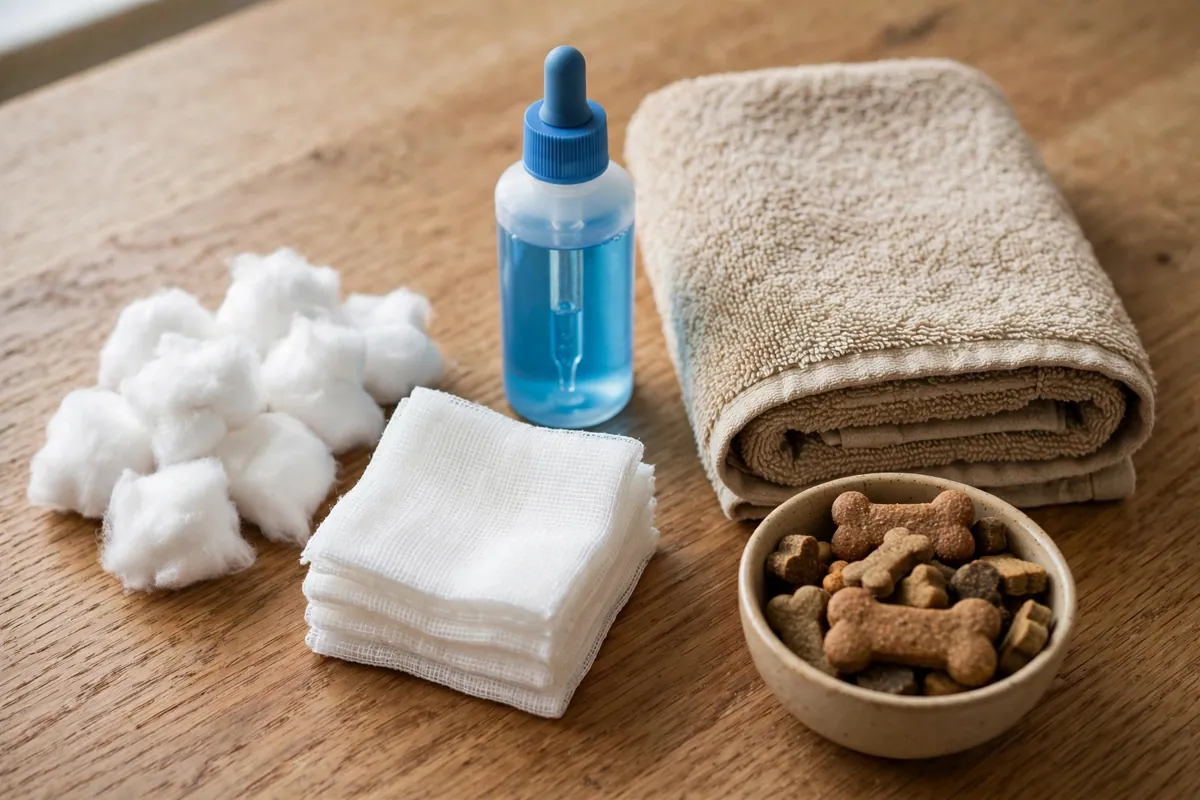
Keep supplies simple and close at hand, so you are not searching while your dog waits. Set out treats first, so the routine starts with something pleasant.
- Vet-approved ear wipes made for dogs, or plain cotton balls and soft gauze
- Clean water to dampen a cotton ball, if needed
- A dry cotton ball or soft towel for finishing
- Small, soft treats for calm cooperation
Use only products made for dogs, and follow your vet’s advice for your own dog. If a product stings, smells strong, or causes redness, stop using it and ask your vet.
Gentle Outer-Ear Steps, One Ear at a Time
Follow these steps to clean dog ears safely, one ear at a time. Keep your movements slow, and pause for a treat between steps.
- Choose a calm moment. Wait until your dog is relaxed, and sit in a quiet spot.
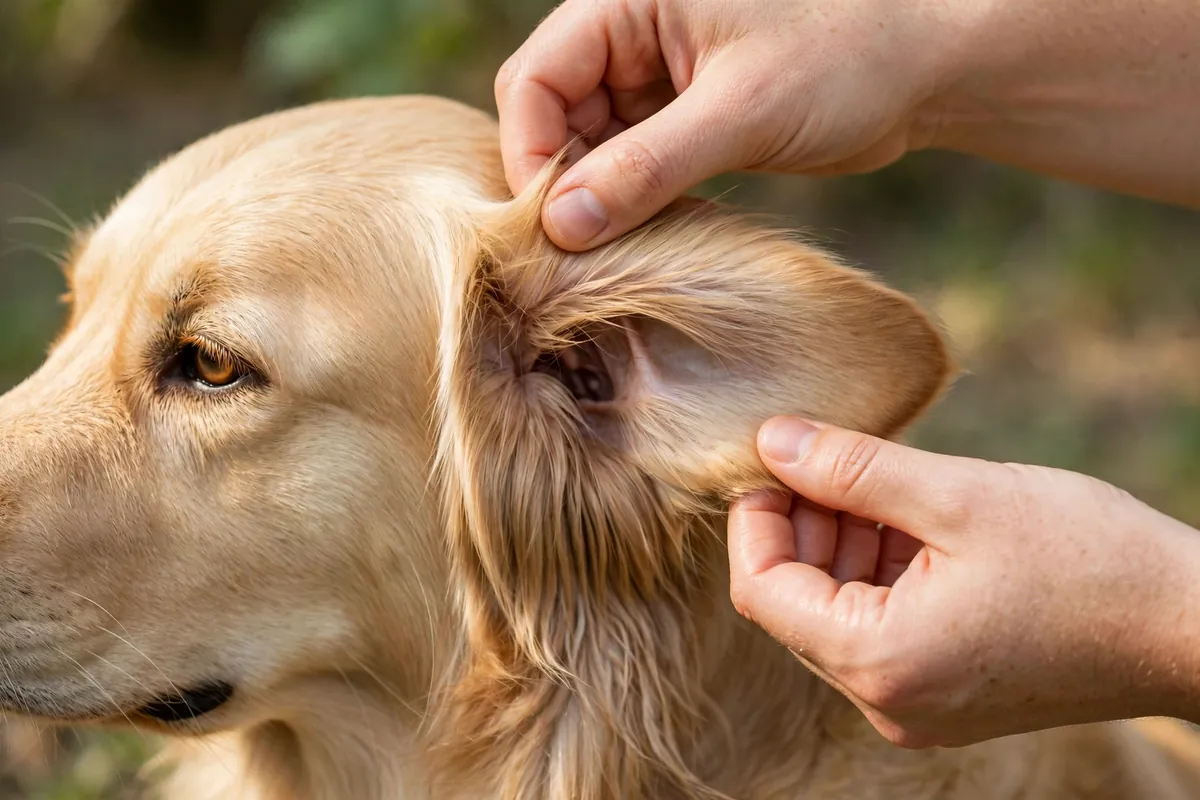
- Lift the flap gently. Fold a floppy ear back, or steady an upright ear, without pulling.
- Wipe outward. Use a fresh wipe to clean the inner flap, moving away from the opening.
- Clean the visible folds. Wipe each fold you can see, and switch to a fresh wipe when it looks dirty.
- Wipe the opening only. Touch only the rim you can see, and never push inward.
- Dry and reward. Pat the flap dry, then praise and give a treat.
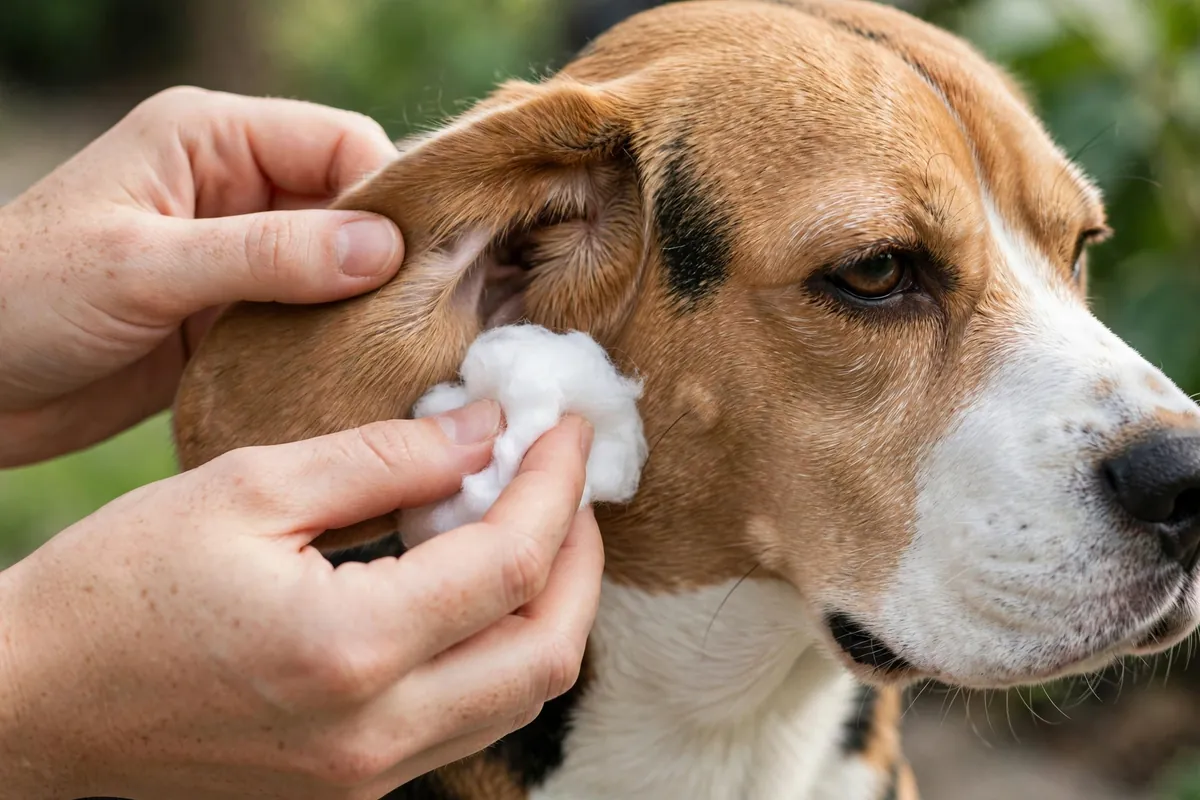
Use a fresh wipe for the second ear, even if the first wipe still looks clean. This keeps dirt from one ear from reaching the other ear.
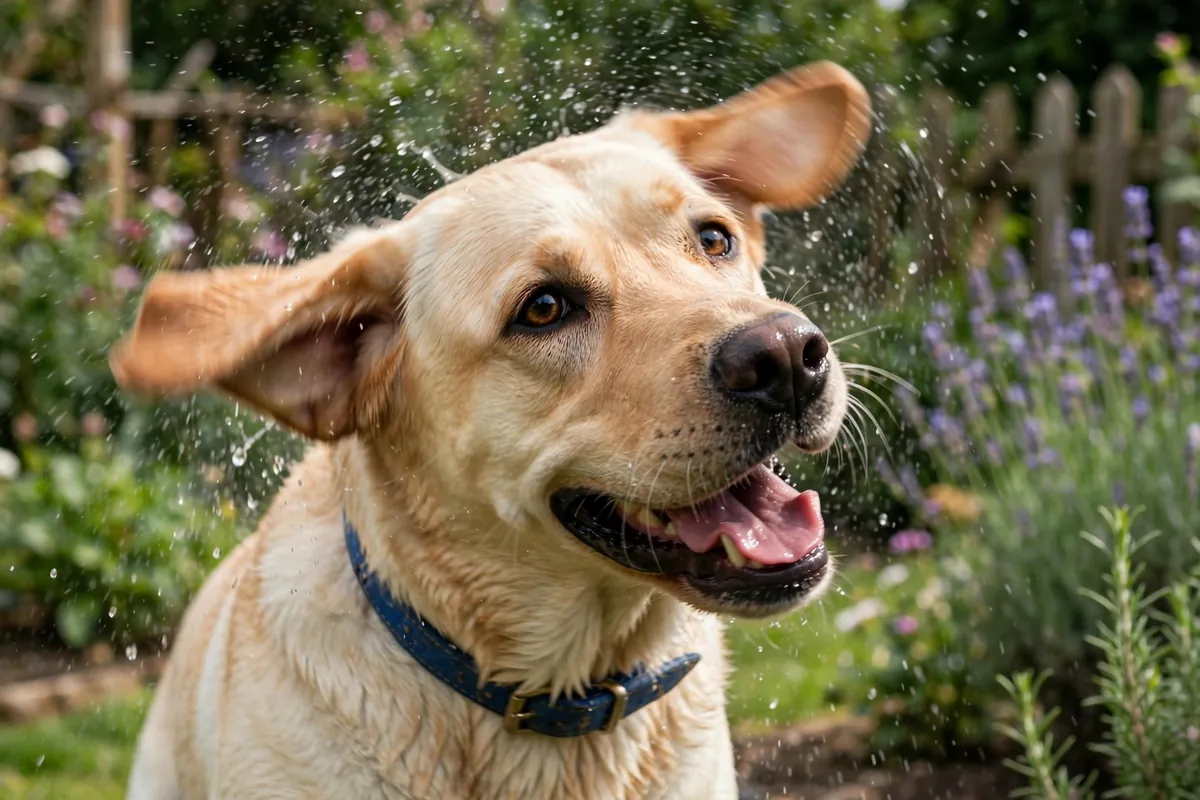
After walks in grass or brush, give ears a quick look along with the rest of the coat. Our guide to getting rid of dog ticks naturally also suggests a check after every outing, since ticks often hide around ears and the neck.
Breed and Coat Differences
Ear shape and coat change how much attention the outer ear needs. Dogs with heavy, floppy ears trap warmth and moisture, so their flaps may need more frequent checks.
| Ear type | What to watch | Gentle approach |
|---|---|---|
| Floppy, heavy ears | Damp folds and light wax | Check weekly, wipe folds carefully |
| Upright ears | Dust and dry debris | Wipe the flap, keep sessions brief |
| Long or thick coats | Hair near the flap | Part hair gently, wipe what you see |
| Swimmers | Damp outer ears after water | Dry the flap well after swimming |
Breed is only a starting point, and every dog is different. Watch your own dog’s ears, and adjust the routine to what keeps them comfortable.
What NOT to Do
- Do not push cotton swabs, pointed tools, or fingers into the canal.
- Do not use alcohol, hydrogen peroxide, or strong homemade mixes.
- Do not use baby wipes, scented wipes, or products made for people.
- Do not pour water or liquid into the ear.
- Do not hold a scared dog still or force the session to finish.
- Do not clean an ear that looks sore, swollen, or painful.
Forcing a frightened dog can cause injury and make the next session harder. If your dog pulls away, stop, offer a treat, and try a shorter session another day.
Helping a Nervous Dog Cooperate
Build comfort in small steps, over several days. Start by lifting the flap, giving a treat, and letting go, with no wipe at all.
Next, touch the flap briefly with a dry cotton ball, then reward. Keep each session under a minute, and end while your dog is still calm.
If your dog walks away, let them go. A short, happy session teaches more than a long session that ends in stress.
If licking is part of the pattern, note when it happens and what came before it. Our guide to why dogs lick feet can help you tell focused licking from a wider habit.
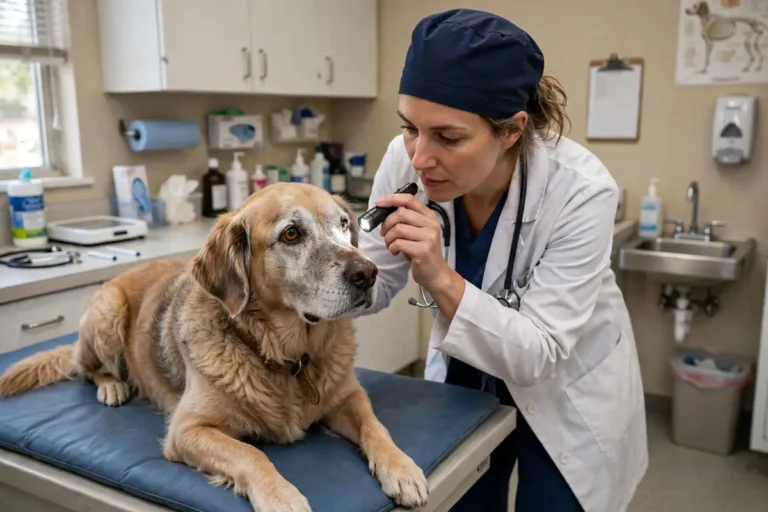
When Ear Problems Need Vet Attention Urgently
Home wiping is only for healthy ears. Call your vet promptly if you notice any sign below, and do not try to clean the problem away.
- Head shaking that will not stop, or head tilting
- Bad odor or discharge, including dark or colored material
- Redness or swelling inside the flap or around the ear
- Pain when the ear is touched, or flinching and crying out
- A change in hearing, or trouble with balance
- Sores, scabs, bleeding, or sudden aggression when ears are handled
For pain, a sudden change, or aggression, ask your vet or a qualified behavior professional for help. This guide gives general information only, and it does not replace veterinary advice.
A musty, yeasty smell deserves a vet check, not a stronger wipe. A similar musty pattern on paws is covered in our guide to dog paw yeast infection home remedies.
Frequently Asked Questions
Can I clean my dog’s ears with just water and a cotton ball?
Yes, for the outer flap of healthy ears, a cotton ball dampened with clean water can work. Dry the flap after, and use a vet-approved wipe if wax builds up.
Are ear wipes enough without drops?
For routine care, yes. Wipes handle the outer ear well, but they cannot reach deep wax. If wiping keeps coming back very dirty, ask your vet about a deeper clean.
How often should I wipe my dog’s ears?
Check weekly, and wipe only when you see light wax or dust. Cleaning too often can irritate the skin, so let the ear guide the timing.
Can I use baby wipes on my dog’s ears?
No. Baby wipes are made for human skin, and their scents and preservatives can irritate a dog’s ear. Use wipes made for dogs instead.
My dog’s ears smell bad. Should I clean them?
No, do not try to wipe a bad smell away. A strong or yeasty smell can signal a problem, so call your vet and let them see the ear as it is.
Do puppies need their ears cleaned?
Most puppies need only gentle handling, not regular cleaning, unless your vet advises it. Lift the flap, touch it briefly, and reward calm behavior, so adult care feels normal.
What if my dog will not let me near their ears?
You can clean dog ears safely by building comfort slowly, with short sessions and treats. If handling still causes panic or pain, ask your vet or groomer to help.
The Bottom Line
When you clean dog ears safely and stop at the first warning sign, ear care stays gentle for both of you. Keep sessions short, use only the outer ear, and let your vet lead when anything looks or smells wrong.
Reference
American Kennel Club, How to Clean a Dog’s Ears.
Still stuck? Get a plan built for your dog.
Answer a few quick questions and get a personalized, force-free training plan in minutes.