
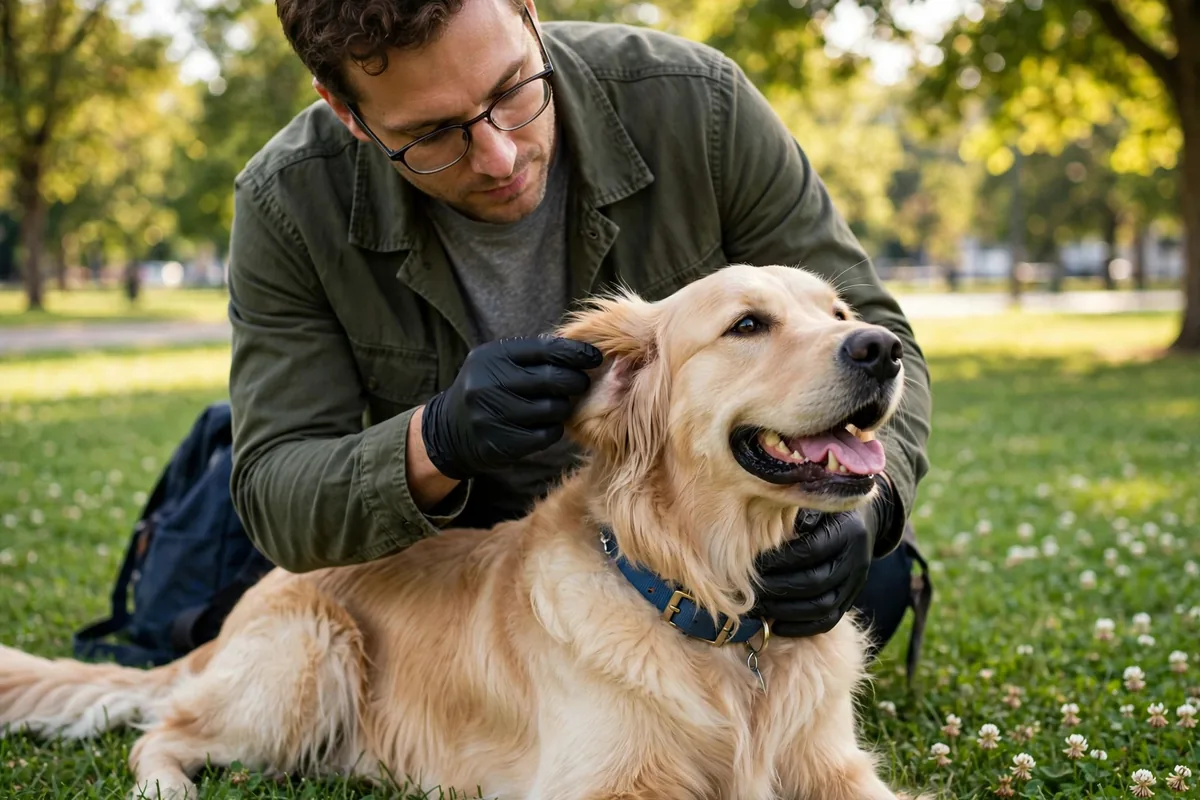
How to Get Rid of Dog Ticks Naturally Without Chemicals
Finding a tick on your dog can feel worrying, especially if you want to avoid chemical products. The good news is that you can act right away, and you do not need to panic.
To get rid of dog ticks naturally, start with safe removal, then add simple daily habits. This guide shows each step in plain language, so you can act calmly and know when to call your vet.
Key Takeaways
- Remove ticks promptly with fine-tipped tweezers, grasping close to the skin and pulling straight up with steady pressure.
- Never burn a tick, smother it with nail polish or oil, twist it, or squeeze its body.
- After removal, clean the bite, save the tick for a short time, and watch your dog for warning signs.
- Natural options may help reduce ticks, but they do not guarantee protection or full elimination.
- Call your vet for heavy infestations, ticks on puppies or sick dogs, or signs of illness.
How to Get Rid of Dog Ticks Naturally: The Direct Answer
You can get rid of dog ticks naturally by removing attached ticks safely and lowering future contact. Check your dog after outings, keep grass short, and wash bedding often.
No single natural method gives complete protection. Layered habits help, and vet advice matters most when risk is high or your dog shows illness signs.
Why Ticks Matter
Ticks feed on blood and can carry illness. A single tick may not cause harm, but attached ticks should still be removed promptly.
Ticks hide in grass, brush, and leaf litter. They often attach around ears, the neck, armpits, the groin, between toes, and near the tail base.
That is why a calm check after every walk matters. Early removal lowers risk, and it gives you a chance to spot skin changes early.
How to Remove a Tick Safely: Step by Step
Work in good light, and keep your dog calm with praise and a small treat. If your dog is in pain or will not stay still, pause and ask your vet for help.
- Get fine-tipped tweezers. A tick removal tool also works. Avoid blunt tweezers that can crush the tick.
- Wear gloves. Use gloves or a tissue, and avoid touching the tick with bare hands.
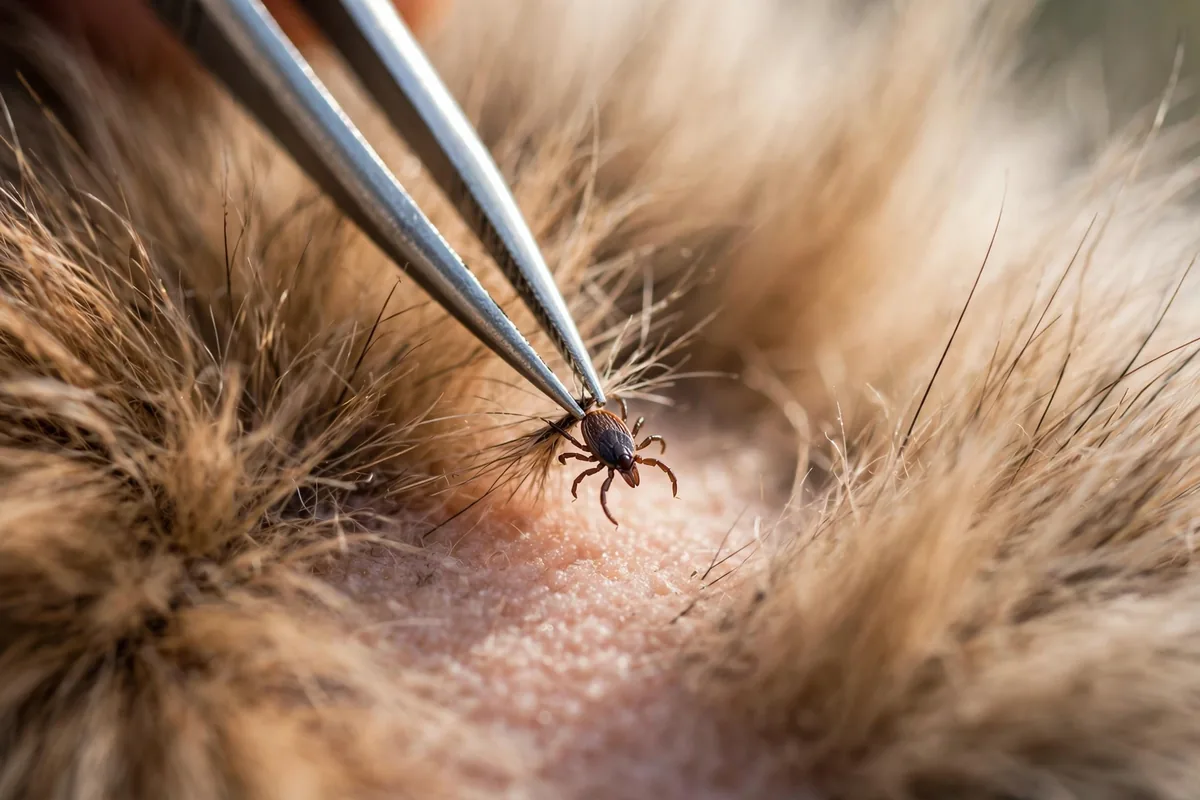
- Part the fur. Find the tick, and see where it meets the skin.
- Grasp close to the skin. Hold the tick at its mouthparts, not its swollen body.
- Pull straight up. Use slow, steady pressure, and do not twist or jerk.
- Check the bite site. If a small mouthpart remains and will not come out easily, leave it and watch the area.
- Clean the area. Wash the bite and your hands with soap and water.
- Save the tick. Place it in a sealed container or on tape, and note the date.
- Dispose of it safely. Put it in rubbing alcohol or flush it, so it cannot crawl back out.
Speed matters, because risk tends to rise the longer a tick stays attached. Still, stay calm and steady, and do not rush the pull.
After Removal: What to Watch For
Most bites heal with simple care. Watch the bite site for redness, swelling, or discharge over the next few days.
Also watch your dog for a few weeks after a bite. Note any change in energy, appetite, or movement, and keep the saved tick in case your vet asks about it.
If your dog licks its paws a lot during checks, our guide to why dogs lick feet may help you spot a pattern.
Natural Prevention Options That May Help
To get rid of dog ticks naturally over time, layer several low-risk habits. No option below guarantees that ticks will stay away.
1. Tick Checks After Every Outing

Run your hands over your dog after grass, woods, or brush. Check ears, the neck and collar area, armpits, the groin, between toes, and the tail base.
Use a fine-toothed comb on thick coats. Keep sessions short and calm, and praise your dog for staying still, as in this gentle grooming routine.
2. Diluted Essential-Oil Sprays

Some plant oils, such as cedarwood, geraniol, lavender, citronella, and lemon eucalyptus, may help deter ticks. Evidence is mixed, and results vary.
Use only dog-safe products made for pets, and follow the label. Test on a small skin area first, and stop if you see redness or itching.
Never use undiluted oils. Some oils are unsafe for dogs, cats, puppies, or dogs with health problems, so ask your vet first if you are unsure.
Reapply before outings, because natural sprays wear off faster than many vet products. Do not rely on a spray alone in high-risk areas.
3. Apple Cider Vinegar Coat Spray
A light apple cider vinegar spray may help as a short-term deterrent. Its effect is modest, and it fades after swimming or rain.
Do not spray it on broken or irritated skin. If your dog shows discomfort, stop and rinse the coat with plain water.
4. Neem-Based Shampoos
Neem shampoo can be part of a routine bath, followed by a full tick check. It may help reduce ticks, but it does not replace vet advice in high-risk areas.
Choose a pet-safe shampoo, rinse well, and watch for skin reactions. Keep bath time calm, and reward your dog after.
5. A Note on Garlic and Brewer’s Yeast
You may see garlic promoted online as a tick repellent. The evidence is weak, and garlic can harm dogs in larger amounts.
Do not give garlic supplements without clear vet guidance. A safe plan starts with checks, home care, and vet advice, not a kitchen remedy.
Natural Options at a Glance
| Option | How it may help | Limit |
|---|---|---|
| Tick checks | Finds ticks early | Needs daily care |
| Essential-oil spray | May deter ticks for a short time | Wears off fast, and is not for all dogs |
| Neem shampoo | Supports routine coat care | Does not guarantee protection |
| Yard and home care | Lowers tick habitat | Needs regular upkeep |
Yard and Home Steps
These steps help you get rid of dog ticks naturally around the home, by making tick habitat less inviting.
Mow grass regularly, clear leaf litter, and trim overgrown edges. Create a dry strip of wood chips or gravel between lawn and wooded areas.
Inside, wash bedding often and vacuum resting areas. Check pet beds, rugs, and soft furnishings where ticks could hide.
For outdoor resting areas only, food-grade diatomaceous earth is sometimes used. Keep dust away from your dog’s face, and reapply after rain.
Store outdoor gear away from sleeping areas, and check shoes and clothing after walks in tall grass.
What NOT to Do
Unsafe removal myths can harm your dog and raise infection risk. Avoid these methods every time.
- Do not burn a tick with a match or lighter. You can burn your dog before the tick lets go.
- Do not smother a tick with petroleum jelly, nail polish, or oil. A stressed tick may release more fluid into the bite.
- Do not twist, jerk, or squeeze the tick’s body. Steady upward pressure is safer.
- Do not pull with bare fingernails. Use fine-tipped tweezers or a tick removal tool.
- Do not use human lotions or harsh products on the bite. Simple washing is safer, and vet advice helps if you are unsure.
Also avoid unproven repellents presented as guarantees. If a product claims total protection with no evidence, treat that claim with care.
When Ticks Need Vet Attention Urgently
Call your vet promptly if you see fever, lethargy, loss of appetite, joint pain or swelling, or lameness after a tick bite.
Seek vet help at once for heavy infestations, ticks on puppies or sick dogs, or a tick you cannot remove safely.
Also seek help for a bite site that looks infected, with spreading redness, swelling, or discharge. Bring the saved tick and the bite date if you can.
For pain, a sudden change, or aggression during handling, ask your vet or a qualified behavior professional for help. Use praise and calm handling, never punishment.
The Honest Truth About Natural vs. Vet-Prescribed Prevention
Natural methods need steady effort, with checks after every walk and frequent reapplication. Even then, they do not match the consistent protection of vet-prescribed options.
For a city dog with light exposure, careful checks and home care may be enough. For a hiking dog in tick country, skipping vet prevention is a risk.
Talk to your vet about disease risk where you live and walk. Your vet can help you build a plan that fits your dog and your home.
Frequently Asked Questions
How long does a tick need to be attached to transmit disease?
It varies by disease, and risk tends to rise with attachment time. Do not try to guess a safe window, and remove any tick as soon as you find it.
Can I just pull a tick off with my fingers?
It is not ideal. Fingers are more likely to squeeze the tick or leave mouthparts behind. Keep fine-tipped tweezers in your dog’s first-aid kit.
Do natural tick sprays work as well as chemical preventives?
No. Natural sprays may help reduce encounters, but they wear off quickly and vary in effect. In high-risk areas, they work best alongside vet-recommended prevention, not instead of it.
My dog is covered in ticks. What should I do?
See your vet, and do not try to remove a heavy infestation alone. Your vet can remove ticks safely, check for illness or blood loss, and set up a prevention plan.
Are essential oils safe for all dogs?
No. Puppies, pregnant dogs, and dogs with liver disease or seizure problems are more sensitive. Cats in the home add risk too, so ask your vet first.
Should I get my dog vaccinated against Lyme disease?
Ask your vet. The Lyme vaccine is often based on lifestyle and local risk, especially for dogs that walk in woods or tall grass.
The Bottom Line
To get rid of dog ticks naturally, stay consistent with safe removal, daily checks, and yard and home care.
Natural options may help, but they do not guarantee protection. When risk is high or your dog shows warning signs, vet help comes first.
Keep skin care gentle, and see our dry cracked dog nose guide for simple, pet-safe skin care habits.
Reference
American Kennel Club, How to Remove a Tick From Your Dog.
Still stuck? Get a plan built for your dog.
Answer a few quick questions and get a personalized, force-free training plan in minutes.