Natural Remedies for Dog Itchy Skin: Safe Home Treatments
Please note: This article is for general information only. It is not veterinary advice.
Only your veterinarian can diagnose your dog’s specific condition. If itching is severe or worsening, see your vet promptly.
Watching a dog scratch again and again is hard. It can disturb sleep, play, and calm rest at home.
For mild itching, dog itchy skin home remedies may help soothe the skin. They are comfort care, not a cure for an underlying cause.
Key Takeaways
- Start with gentle care for mild itching, and stop if the skin looks worse.
- Dog itchy skin home remedies work best as short, calm routines, not as quick fixes.
- A lukewarm oatmeal bath may help soothe itchy skin, followed by full drying.
- Rinse paws and belly with plain water after walks to remove surface pollen and dust.
- Ask your vet about any supplement, and keep food simple and complete.
- See your vet promptly for sores, hair loss, spreading redness, swelling, bad odor, or itching that will not stop.
Dog Itchy Skin Home Remedies: The Direct Answer
For mild, occasional itching, start with a lukewarm oatmeal bath and a plain-water rinse after walks. Keep the routine gentle, short, and calm.
Use a thin layer of plain coconut oil only on dry, intact skin, if your vet agrees. Watch the skin closely, and stop if redness or itching grows.
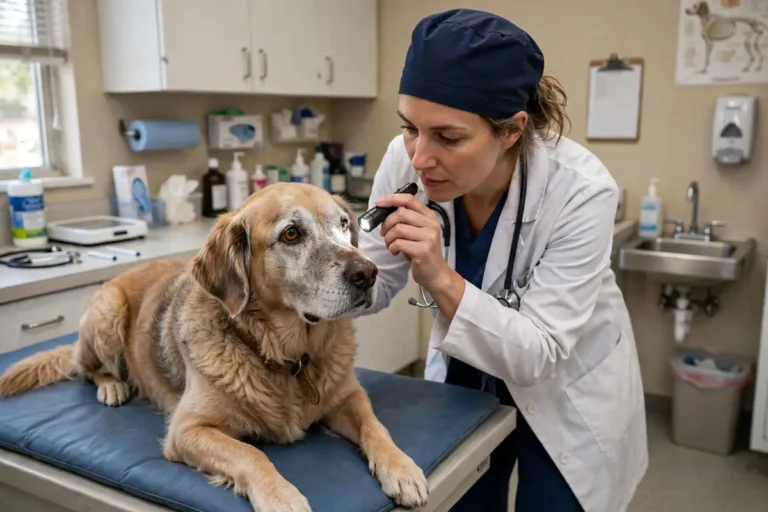
Home care may help comfort, but it cannot diagnose allergies, infection, or parasites. If signs persist, your vet should check your dog first.
Why Dogs Itch
Dogs itch for many general reasons. Skin can react to pollen, dust, fleas, food sensitivity, or dry air.
Scratching can also damage the skin surface. Broken skin can then feel more sore and itch even more.
Because causes look alike, do not guess the cause at home. A vet check helps you choose safe next steps.
Note any pattern you see, such as itching after walks or in a certain season. Share that pattern with your vet.
Gentle Baths That May Help
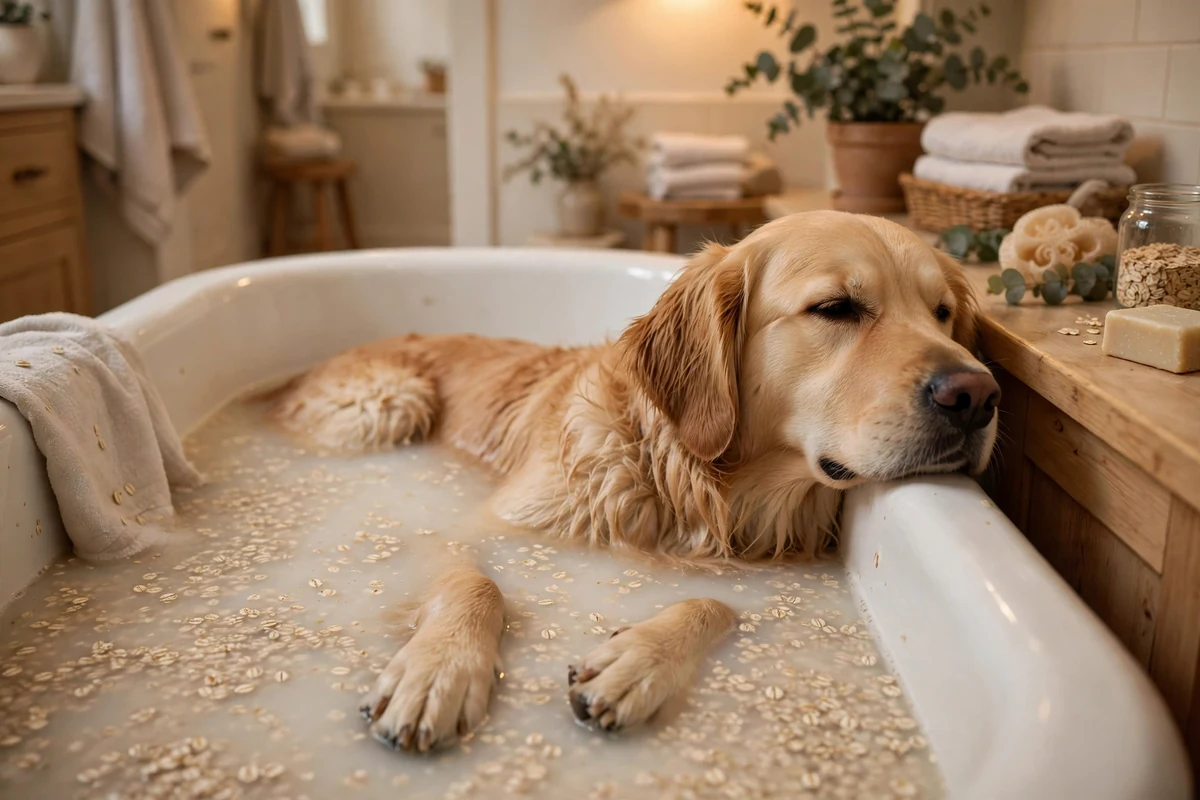
Among dog itchy skin home remedies, a lukewarm oatmeal bath is a common first step. Use plain, finely ground oatmeal in lukewarm water.
Keep water lukewarm, never hot. Hot water can dry the skin and make itching feel worse.
Let your dog soak for 10 to 15 minutes, then rinse well. Pat the coat and skin dry, including between toes.
Repeat a bath 1 to 2 times per week for mild itching, if it helps. Bathing too often can dry the skin, so keep it simple.
- Grind plain oatmeal into a fine powder.
- Stir it into lukewarm bath water until the water looks milky.
- Pour the water gently over itchy areas, and keep your dog calm.
- Let your dog soak briefly, then rinse with clean lukewarm water.
- Pat dry fully, and praise your dog with a treat.
Choose a dog shampoo only if your vet suggests one. Rinse well, since leftover shampoo can irritate skin.
Skin Care at Home
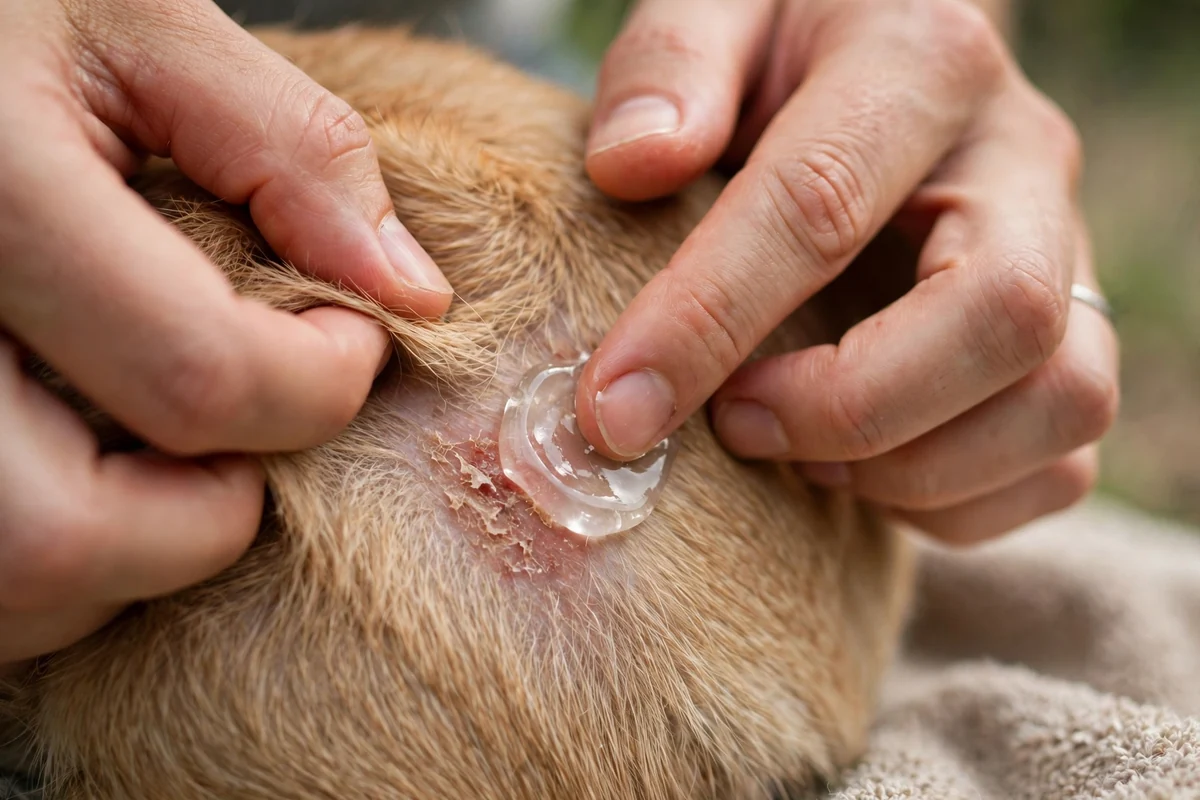
For a small, intact patch of dry skin, a thin layer of plain coconut oil may help. Use only a small amount, so the coat does not stay greasy.
Pure aloe vera gel may soothe a small irritated patch, if it has no added scent or alcohol. Prevent licking, since aloe can upset the stomach if swallowed in quantity.
Cooled chamomile or green tea may soothe paws for a short soak. Brew plain tea, let it cool fully, and use it only on intact skin.
Use plain tea with no added flavors or sweeteners. Stop at once if your dog shows discomfort, redness, or more licking.
Rinse After Walks
As part of dog itchy skin home remedies, a plain-water rinse after walks can help. Rinse paws, belly, and legs with lukewarm water.
This removes surface pollen, dust, and grass debris. No shampoo is needed for a daily rinse.
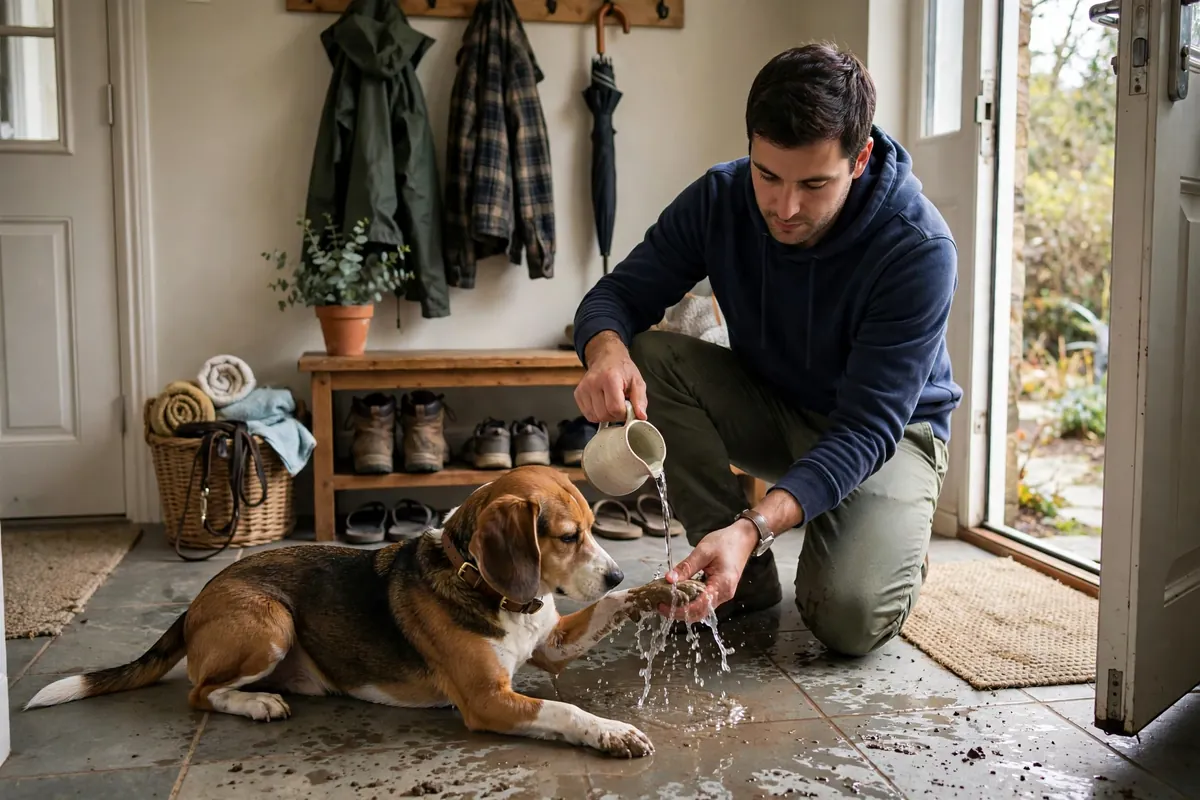
Dry paws and belly fully after rinsing. Damp skin and fur can stay irritated if moisture is trapped.
Check ears gently after walks, too. For safe outer-ear care, see our guide to how to clean dog ears safely.
Check the coat after grass or brush, and look for ticks. Our guide to getting rid of dog ticks naturally explains a calm check after every outing.
Diet Basics for Skin Health
A complete, balanced diet supports skin health in general. Avoid frequent food changes, which can make patterns harder to follow.
Omega-3 fatty acids from a dog supplement may support skin health over time. Ask your vet first about type and amount for your dog.
Do not add human supplements or new foods without vet advice. A supplement cannot fix a poor diet or an undiagnosed cause.
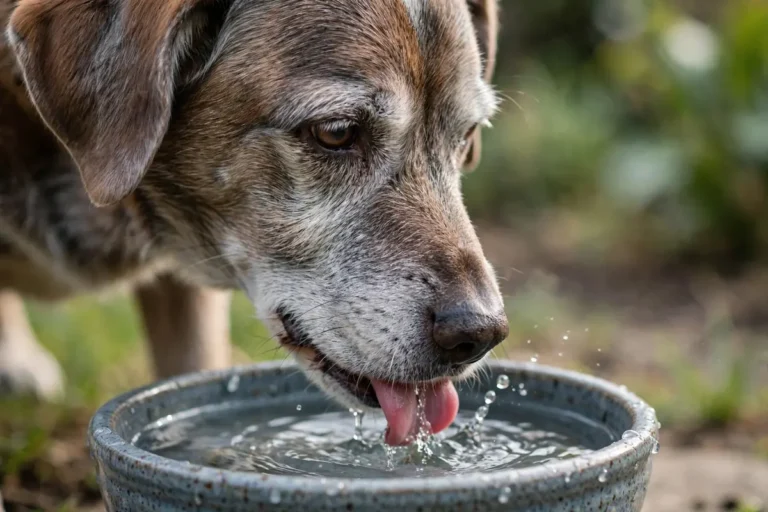
Keep fresh water available, and feed at regular times. Steady routines help you notice changes in appetite, coat, and itching.
Environment Steps
Wash bedding often in plain, fragrance-free laundry care, if possible. Clean resting areas help reduce dust and surface debris.
Vacuum resting areas and brush the coat gently. Short, calm grooming sessions help you spot redness, flakes, or sores early.
Keep indoor air from getting very dry, if you can. Avoid strong sprays, scented products, and harsh cleaners near your dog.
Give your dog a clean, dry resting place after baths or walks. Damp bedding can keep skin irritated for longer.
A Simple Daily Routine
Use this short routine on days when itching is mild. Stop and call your vet if any step causes pain or more redness.
| Step | How it may help | Watch out for |
|---|---|---|
| Oatmeal bath | May soothe itchy skin | Dry fully after |
| Plain-water rinse | Removes surface pollen and dust | No shampoo needed daily |
| Thin coconut oil | May soften dry, intact skin | Stop if licking increases |
| Calm grooming | Spots changes early | Keep sessions short and kind |
Keep notes for a few days, such as what you tried and how the skin looked. Notes help your vet see the pattern.
What NOT to Do
- Do not use human anti-itch creams unless your vet specifically directs you.
- Do not use harsh chemicals, rubbing alcohol, or hydrogen peroxide on irritated skin.
- Do not use undiluted essential oils, and do not use vinegar on broken skin.
- Do not ignore worsening signs, and do not keep trying new products without a plan.
- Do not punish scratching or licking. Use praise, calm redirection, and short, kind sessions.
Natural does not always mean safe for dogs. When you are unsure about a product, ask your vet before you apply it.
When Itching Becomes a Habit
Sometimes scratching continues after the skin looks calmer. Stress, boredom, or habit can keep the pattern going.
Keep days steady, with walks, play, rest, and calm praise. Reward calm behavior, and end sessions before your dog gets frustrated.

If licking or scratching is frequent, sudden, or paired with pain or aggression, ask your vet or a qualified behavior professional for help. Do not use shock or prong collars.
For a musty smell on paws, or red skin between toes, see our guide to dog paw yeast infection home remedies for a separate paw pattern.
When Itchy Skin Needs Vet Attention Urgently
Stop home care and call your vet promptly if you notice any sign below. Do not wait to see if it settles on its own.
- Open sores, scabs, or hot spots that are spreading
- Significant hair loss or a thinning coat
- Spreading redness, swelling, or oozing areas
- A bad odor from the skin or ears
- Itching that will not stop despite gentle care
- Pain, a sudden change, or aggression when the skin is touched
- No improvement after a week or two of steady home care
These signs can point to infection, parasites, or another cause that needs diagnosis. Your vet can check the skin and plan next steps.
Frequently Asked Questions
What is a good first step for mild itchy skin?
Dog itchy skin home remedies often start with a lukewarm oatmeal bath and a plain-water rinse after walks. Keep both gentle, then dry fully.
Can I use coconut oil on my dog’s itchy skin?
A thin layer may help dry, intact skin, if your vet agrees. Stop if your dog licks it off at once, or if redness grows.
How often should I bathe my itchy dog?
For mild itching, an oatmeal bath 1 to 2 times per week is a common pattern. Over-bathing can dry skin, so watch how the coat responds.
Is aloe vera safe for dogs’ skin?
Pure aloe gel without scent or alcohol may soothe a small patch. Prevent licking, and do not use it on open sores.
Why is my dog still itchy after home care?
Home care soothes symptoms, but it does not cure an underlying cause. Fleas, allergies, infection, or parasites all need a vet diagnosis.
Can food cause itchy skin in dogs?
Food sensitivity can play a part, but it is less common than environmental triggers. Ask your vet before changing food or adding supplements.
The Bottom Line
In short, dog itchy skin home remedies may help soothe mild itching, but vet care leads the plan. Keep routines gentle, watch for red flags, and call your vet early.
Reference
American Kennel Club, Why Is My Dog So Itchy? Possible Causes and Treatment.
Still stuck? Get a plan built for your dog.
Answer a few quick questions and get a personalized, force-free training plan in minutes.