Best Soft Food for Old Dogs With Missing Teeth
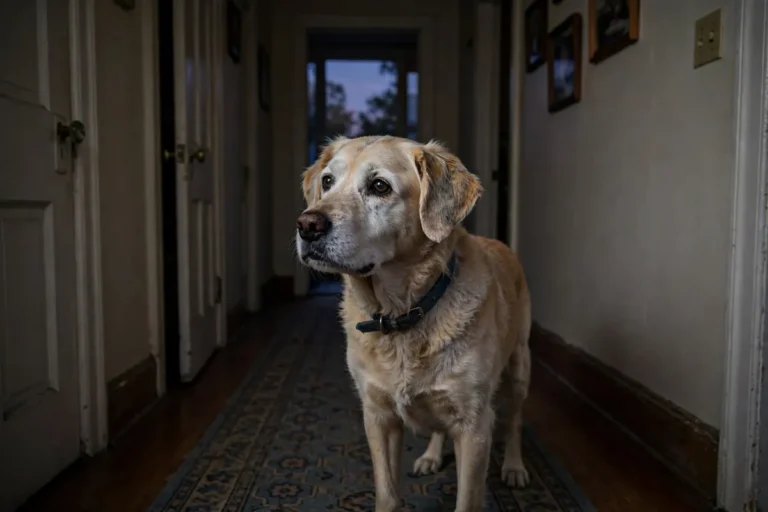
Watching an old dog drop kibble, chew on one side, or walk away from the bowl is hard to see.
For old dogs missing teeth, the fix is usually simpler than owners expect. Soft food that needs little chewing, a shallow bowl, and a calm routine can bring back happy mealtimes.
This guide explains what to look for on a label, how to soak kibble, when wet food helps most, and how to switch foods without upsetting a sensitive stomach.
Key Takeaways
- The best soft food for old dogs missing teeth is usually pate, loaf, stew, or well-soaked kibble.
- Choose a food with an AAFCO complete-and-balanced statement for adult maintenance or all life stages.
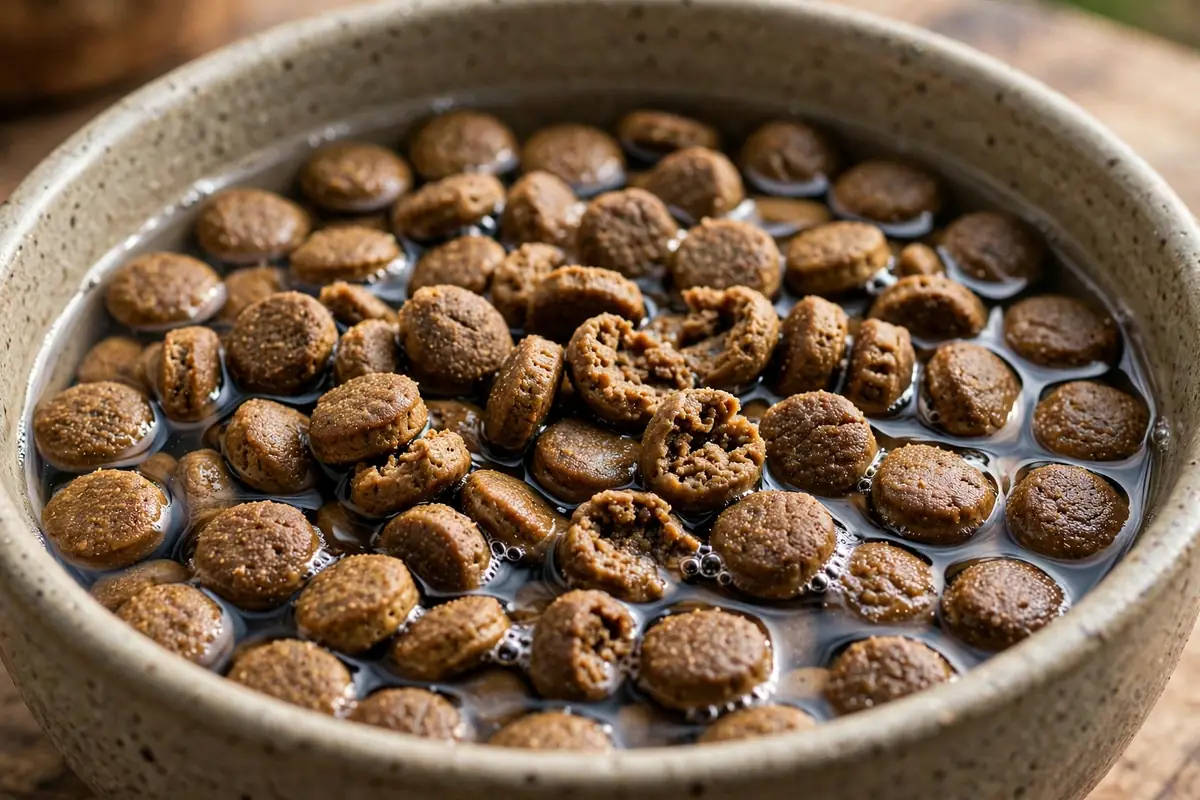
- Soaking current kibble in warm water or low-sodium, onion-free broth is a cheap first step.
- Sudden appetite loss, drooling, bleeding, or pawing at the mouth needs a vet visit.
- Homemade soft diets need veterinary formulation to be complete. Never feed an unbalanced homemade diet long term.
- This article is general information, not veterinary advice. Ask your vet about your dog’s specific needs.
Direct Answer: Best Soft Food for Old Dogs Missing Teeth
The best soft food for old dogs missing teeth is a complete, pate-style wet food or well-soaked kibble that your dog can lick and swallow without hard chewing.
Start with the food your dog already tolerates, softened if needed. Then try a pate if appetite, weight, or mouth comfort does not improve.
Why Dogs Lose Teeth, and Why the Cause Matters
In senior dogs, missing teeth often follow gum disease and long-term dental problems. Loose teeth, sore gums, and infection can make chewing painful.
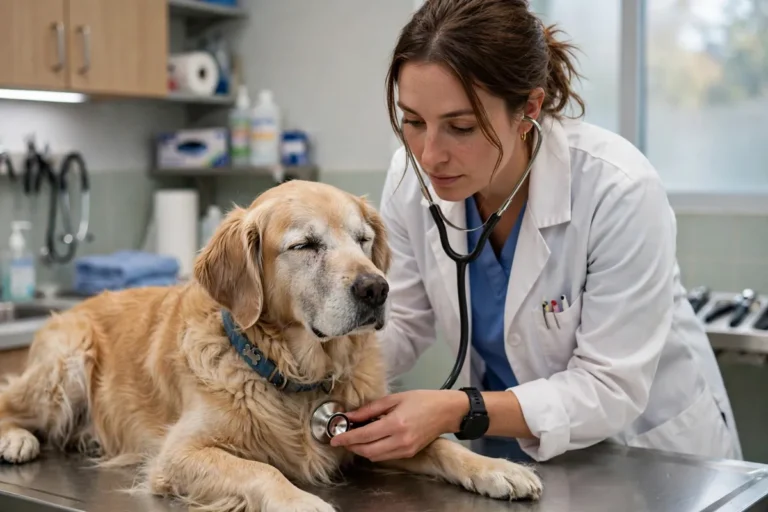
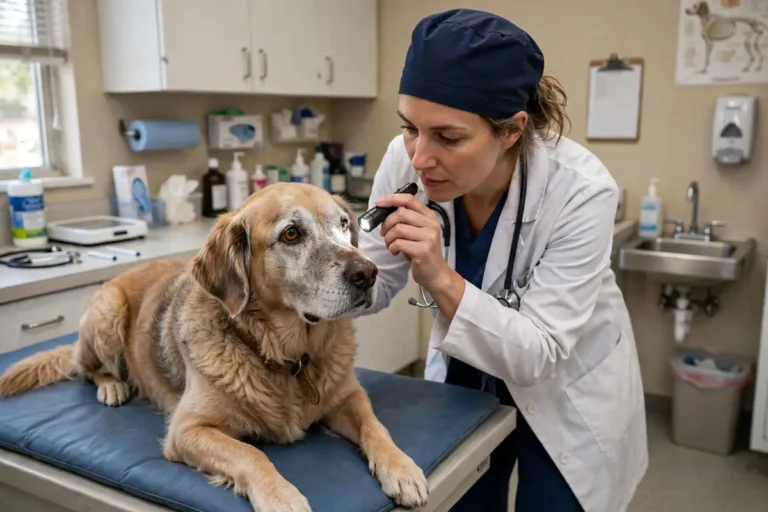
Before you change foods, ask your vet to examine your dog’s mouth. Treating remaining dental disease can ease pain in a way that food alone cannot.
If your dog has had extractions, follow your vet’s advice on when to return to normal feeding. A sore mouth after dental work needs extra gentleness.
What Matters Most in a Soft Food
When you shop for old dogs missing teeth, check texture first, then the label. A food that looks soft but is incomplete is not a good long-term choice.
| Check | What to look for | Why it helps |
|---|---|---|
| Texture | Pate, loaf, stew, or soaked kibble | Needs little or no chewing |
| Complete nutrition | AAFCO complete-and-balanced statement | Supports daily needs without guesswork |
| Protein | Adequate, good-quality protein | Helps maintain muscle in seniors |
| Calories | A portion matched to weight and activity | Avoids unwanted loss or gain |
| Smell and warmth | Room-temperature food, mashed if needed | Smell drives appetite in sore mouths |
Avoid large chunks, hard freeze-dried pieces, and crunchy toppers at first. They can hurt gums or break remaining teeth.
Do not assume a food labelled senior is right for every senior. Read the feeding guide, then adjust with your vet if weight changes.
A Step-by-Step Plan
Use this plan in order, and change one thing at a time. That way you can see what helps your dog.
- Book a mouth check: ask your vet about pain, infection, and remaining teeth.
- Soften what works: soak current kibble and see if eating improves.
- Try a pate: offer a small amount of pate alongside the softened food.
- Fix the bowl: use a shallow, wide dish and a quiet, non-slip spot.
- Switch slowly: follow the 7-day switch in the section below.
- Track weight and appetite: weigh monthly, or as your vet advises, and note changes.
- Review with your vet: share what worked, and ask about dental care for remaining teeth.
Option 1: Wet and Pate-Style Commercial Foods
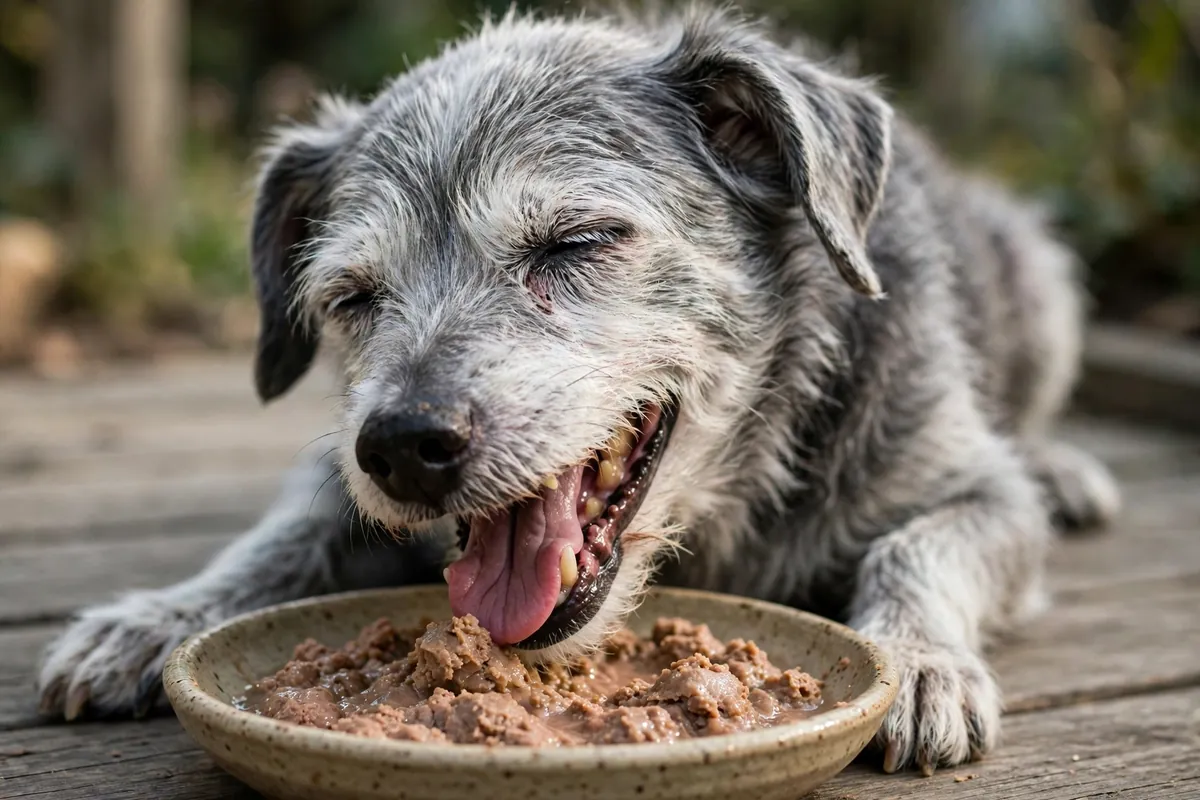
This is the simplest switch, and the one many vets suggest first. Canned pate, loaf, and ground dinners need little chewing.
Serve food at room temperature, not straight from the fridge. Cold food smells less appealing, and a cold bowl can put a senior off.
- Mash with a fork to break up any chunks.
- Use a shallow, wide dish, or even a plate, for flat-faced or messy eaters.
- Refrigerate opened cans and use them within a couple of days.
- Discard uneaten wet food left out for more than a couple of hours.
Wet food often costs more than kibble and needs refrigeration. For a toothless senior, that trade-off is often worth it.
Option 2: Soak the Current Kibble
If your dog loves the current food, you may not need a new brand. Soaking kibble in warm water for 10 to 20 minutes can make it soft enough to eat.
Low-sodium bone broth that is onion-free and garlic-free can add aroma. Use it as a soaking liquid, not as a replacement for a complete food.
Soaking keeps the nutrition your dog is used to, and it is usually the cheapest option. The trade-off is texture: some kibble turns mushy, and soaked food should not sit out for long.
Test a small batch first. If your dog leaves mushy food, try a shorter soak, or mix soaked and pate food together.
Option 3: Toppers and Mix-Ins
Wet food toppers spooned over soaked kibble add moisture, aroma, and variety. Plain canned pumpkin, in a small amount, can also soften a meal.
Keep toppers to a modest part of the meal so the overall diet stays balanced. A diet that drifts toward toppers can lose complete nutrition.
Introduce one new topper at a time. If loose stools appear, go back to the last food that worked, then try again more slowly.
Option 4: Homemade Soft Food, Done Safely
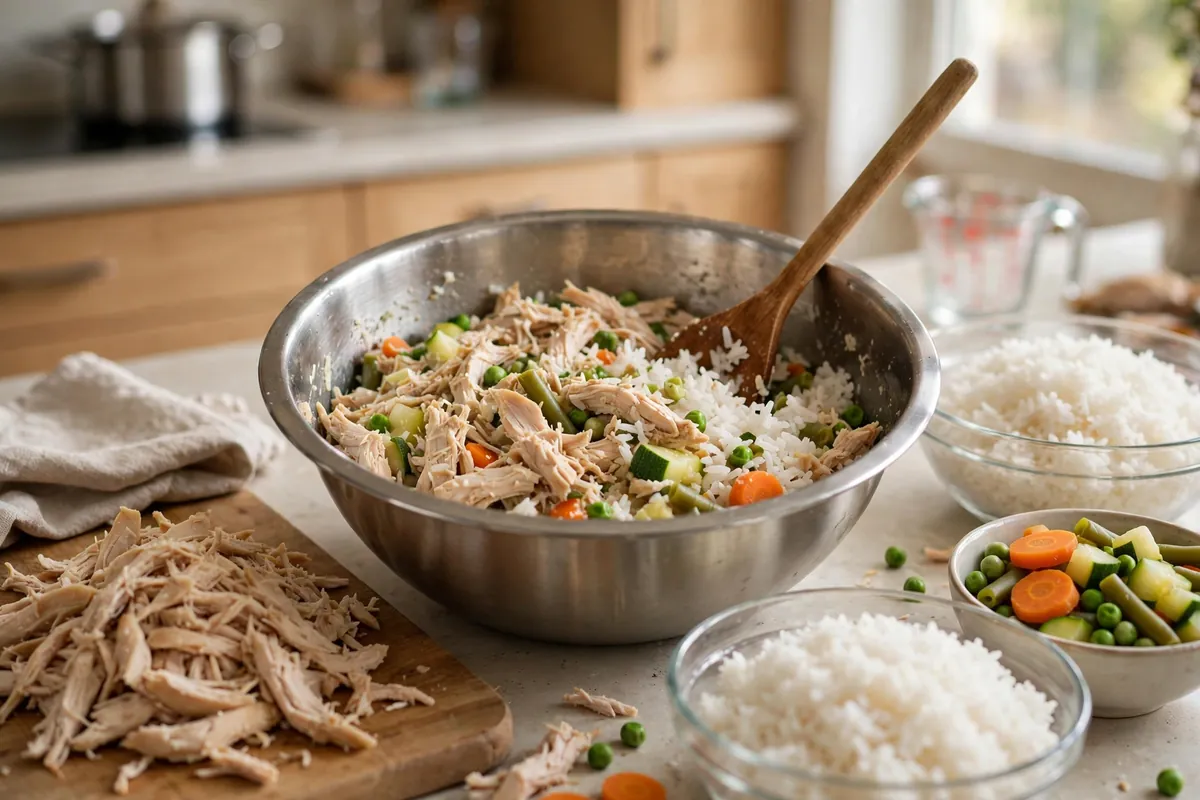
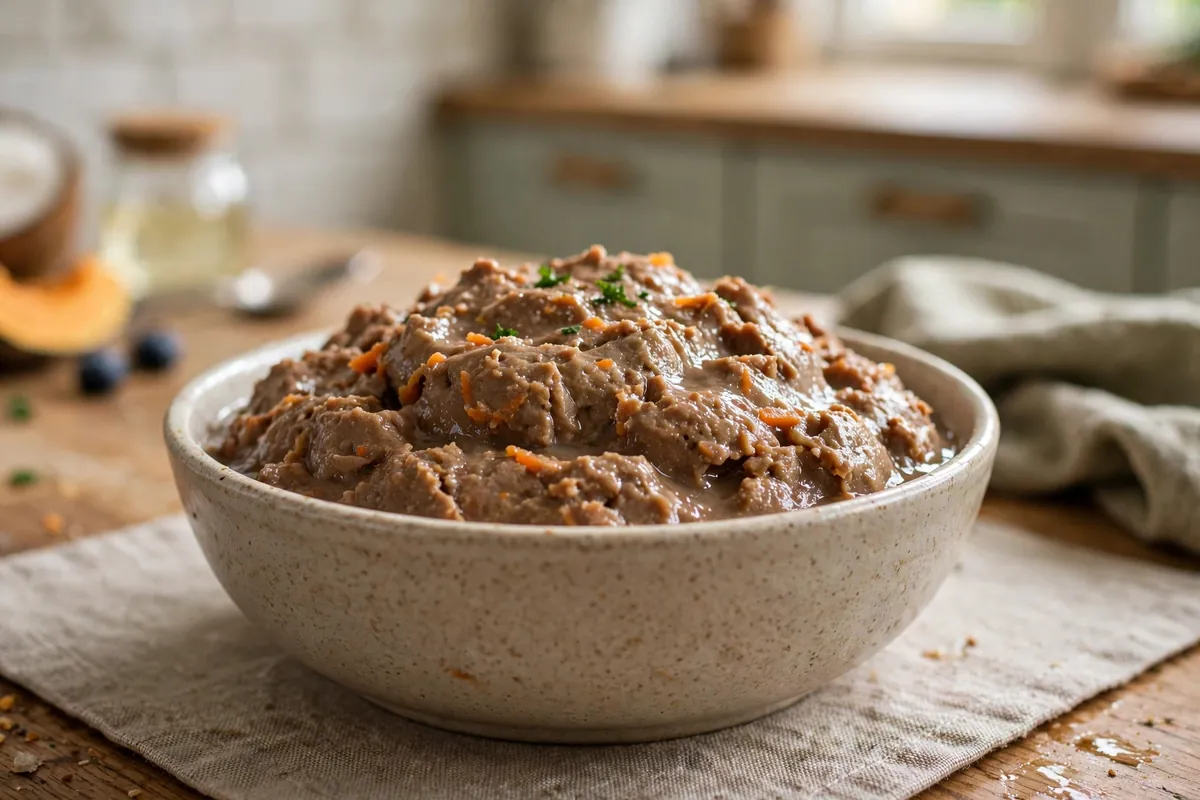
Some owners prefer cooking for a toothless senior. Soft-cooked ground turkey or chicken mixed with cooked rice and soft vegetables can be easy to eat.
Easy to eat does not mean nutritionally complete. If you go this route, work with your vet or a board-certified veterinary nutritionist to build a complete recipe.
Use the same food safety as your own cooking. Refrigerate promptly, reheat only as needed, and discard leftovers that have sat out too long.
Never add onion, garlic, grapes, or cooked bones. If you are unsure about an ingredient, ask your vet before you use it.
Feeding Routine for a Toothless Senior
- Smaller, more frequent meals: two to three smaller meals are easier than one large bowl, and help seniors who tire while eating.
- A calm spot: let your dog eat undisturbed. Rushing can cause gulping and vomiting.
- A raised feeder, if it helps: for dogs with neck or back stiffness, a slightly raised feeder can reduce strain. Ask your vet if pain is part of the problem, and read the guide on natural pain relief for old dogs with arthritis.
- Fresh water always: wet food adds moisture, but always keep fresh water available. For more ideas, see how to keep an older dog hydrated if they refuse to drink.
- Weigh regularly: weight loss is an early sign that a food change is not working. Weigh monthly, or as your vet advises.
What NOT to Do
- Do not offer hard biscuits, rawhide, cooked bones, or hard dental chews. They can injure gums or break remaining teeth.
- Do not force food into your dog’s mouth, and do not scold a dog who walks away from the bowl. Pain and fear make eating harder.
- Do not use shock collars, prong collars, or punishment to deal with slow or messy eating.
- Do not switch foods all at once if your dog has a sensitive stomach. Use the slow switch below.
- Do not feed an unbalanced homemade diet long term, and do not add human pain medicine or supplements without vet advice.
- Do not assume it is just old age. A sudden change in eating deserves a vet check.
How to Switch Foods in 7 Days
Mix increasing amounts of the new food into the old food over 7 to 10 days. Seniors often have sensitive stomachs, so slow is safer.
| Days | Old food | New soft food |
|---|---|---|
| Days 1 to 2 | About three quarters | About one quarter |
| Days 3 to 4 | About half | About half |
| Days 5 to 6 | About one quarter | About three quarters |
| Day 7 onward | None, if stools are normal | Full portion, as advised on the label |
If vomiting or loose stools appear, go back a step for a day or two. If problems continue, call your vet.
When to Call the Vet
Get vet help promptly for any of these signs. They can point to dental pain or infection, not just a food-texture problem.
- Sudden refusal to eat, especially with drooling or bleeding
- Pawing at the mouth or crying while eating
- Bad breath that suddenly worsens
- Weight loss despite eating
- Swelling of the face or under the jaw
- Sudden behaviour change, including aggression when the mouth is touched
For pain, sudden change, aggression, or a medical cause, see your vet first. If fear or anxiety stays strong after medical care, ask for a referral to a certified behaviour professional.
Dental Care Does Not Stop
Missing teeth do not mean dental care is over. Brush or wipe the remaining teeth and gums as your vet advises.
Soft treats made for seniors or dental-sensitive dogs can work as rewards. Reward calm eating with praise and a quiet voice, not with hard chews.
Frequently Asked Questions
Can a dog live with no teeth?
Yes. Many old dogs missing teeth eat well once the mouth has healed after extractions. Soft food, a shallow bowl, and a calm routine usually help most.
Should dogs with no teeth eat dry food?
Most cannot manage hard kibble comfortably, though some gum it surprisingly well. Soaked kibble is a safer middle step than hard kibble.
Is wet food bad for dogs’ teeth?
Regular kibble provides little dental cleaning for most dogs. Wet food does not replace brushing or vet dental care, but it is not a reason to keep a sore dog on hard food.
How do I transition my senior dog to soft food?
Use the 7-day switch above, and change one thing at a time. If stools loosen, pause at the last mix that worked, then move forward more slowly.
My toothless dog still begs for crunchy treats. Is that okay?
A few small soft treats are fine, but hard biscuits can injure gums or break remaining teeth. Look for soft treats that can be broken with your fingers.
How much should I feed my senior dog with missing teeth?
Follow the food label as a starting point, then adjust to maintain a healthy body condition, with your vet’s guidance. Weigh regularly, and change portions slowly.
The best soft food for old dogs missing teeth starts with texture, a complete diet, and a vet check for any sudden change. For help with footing at mealtimes, read the guide on elderly dog slipping on floors.
This article is general information about feeding senior dogs with missing teeth and is not veterinary advice.
Reference
Reference: American Kennel Club, Periodontal Disease in Dogs: Signs, Symptoms, Treatments
Still stuck? Get a plan built for your dog.
Answer a few quick questions and get a personalized, force-free training plan in minutes.