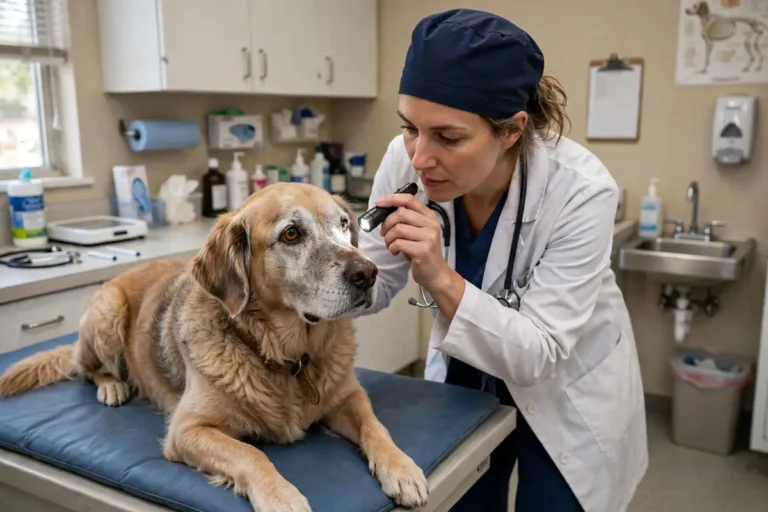

Dogs and Addison’s Disease: Symptoms, Crisis Signs and Treatment
Addison’s disease in dogs can be hard to spot at first. Signs often look like a simple stomach upset, then fade, then return.
This guide explains dogs addison’s disease in plain terms. It covers common signs, the emergency signs, and how vets generally approach diagnosis and daily care.
Dogs Addison’s Disease: The Direct Answer
In short, dogs addison’s disease means the adrenal glands do not make enough of certain hormones. Those hormones help the body handle stress and keep fluids and salts in balance.
That shortfall can cause vague, changing signs. If you notice a pattern of slumps and stomach signs, contact your vet promptly and describe what you have seen.
Do not try to diagnose this at home. Only a vet can assess your dog, run the right checks, and plan the next steps safely.
Key Takeaways
- Signs often come and go, so a pattern matters more than one bad day.
- Lethargy, poor appetite, vomiting, diarrhea, weakness, and weight loss are common general signs.
- Collapse, severe weakness, and vomiting or diarrhea with shock signs need emergency vet care at once.
- Never adjust medication on your own, and never skip vet follow-ups.
- Use calm, positive reinforcement only, and ask a vet about pain, sudden change, or aggression.
When Signs Need Emergency Vet Care Immediately
Go to an emergency vet at once if your dog collapses. Severe weakness on its own is also an emergency, even if your dog seemed better earlier in the day.
Seek emergency care at once for vomiting or diarrhea with shock signs. These include collapse, very weak movement, pale gums, or a dog that cannot stand.
Do not wait to see if an emergency sign passes. Call ahead if you can, then travel safely, and keep your dog calm and warm on the way.
What Is Addison’s Disease in Dogs?
Addison’s disease is also called hypoadrenocorticism. In simple terms, the adrenal glands, two small glands near the kidneys, do not produce enough of certain hormones.
Two hormones matter most in general descriptions. One helps the body respond to stress. The other helps control salt, water, and related balance in the body.
When hormone levels fall too low, the body copes less well with stress. Everyday events such as travel, boarding, illness, or surgery can then become harder for the dog.
Why It Is Called the Great Pretender
Vets often call Addison’s disease the great pretender. Its signs can look like many other problems, from a stomach upset to a more general illness.
A dog may seem ill for a few days, then recover, then slip again. That up and down pattern can make the cause hard to pin down at first.
Repeated, unexplained episodes deserve a vet conversation. Bring notes on timing, appetite, energy, vomiting, diarrhea, and any recent stress or illness.
Common Signs to Watch For
With dogs addison’s disease, signs are often vague on their own. Look at the whole pattern, and note how often signs return.
- Lethargy or low energy
- Weakness or trembling
- Poor appetite or weight loss
- Vomiting or diarrhea
- Increased thirst or urination
- Abdominal discomfort
One sign alone does not point to one cause. A pattern of several signs, especially signs that keep returning, is the reason to call your vet.
How Vets Generally Approach Diagnosis
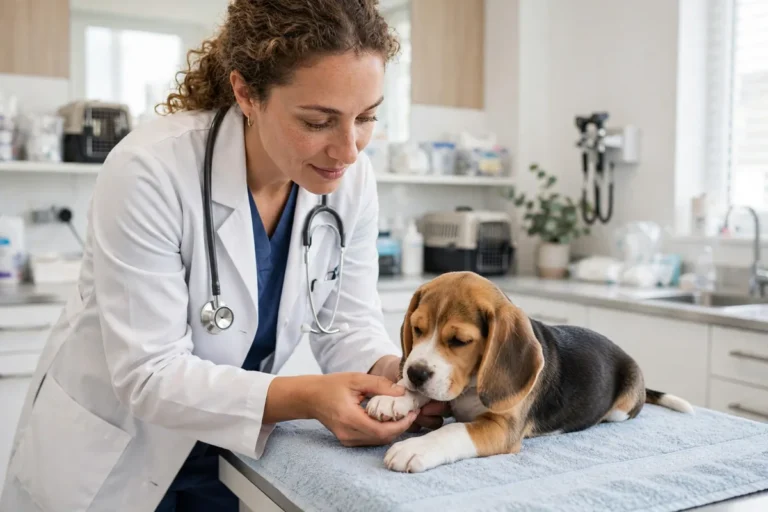
A vet will usually start with a full history and a physical check. They may ask when signs began, how often they return, and what has changed at home.
Blood and urine tests are commonly used to assess general health. In some cases, a vet may also use imaging or other checks to rule out other causes.
A vet may also use a hormone stimulation test, sometimes called an ACTH stimulation test. This is a general test name only, and only your vet can interpret any result.
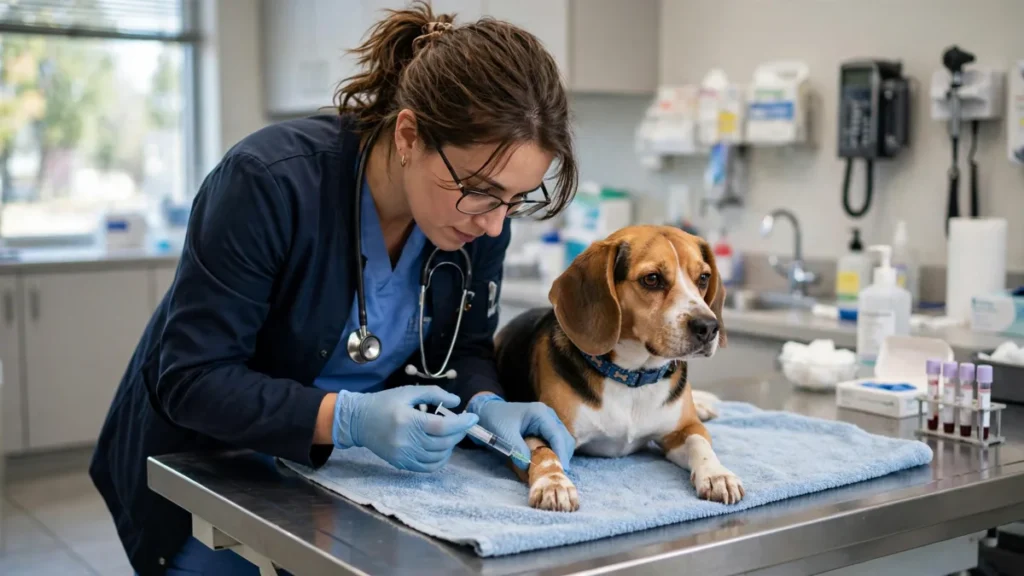
Do not use a test name or a result on its own to judge your dog. Diagnosis needs the full picture, and your vet will explain what the findings mean for your dog.
Living With the Condition in General Terms
Daily life with dogs addison’s disease is mostly about routine and follow-up. Keep feeding, rest, walks, and vet visits as steady as you can.
Your vet may plan ongoing hormone support and regular check-ups. Follow that plan exactly, and ask your vet before any change, even if your dog looks well.
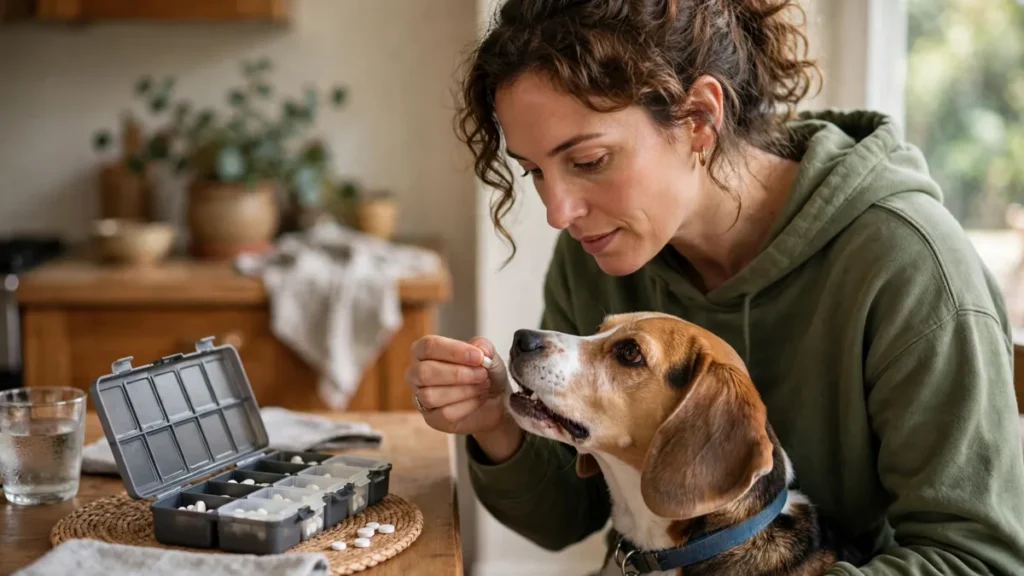
Plan ahead for stressful days with your vet. Travel, boarding, and illness are good times to ask for advice in advance, rather than waiting for signs.
Use only positive reinforcement for training and daily handling. Reward calm behavior, keep sessions short, and never use punishment, dominance framing, or shock or prong collars.
Track simple notes each week, such as appetite, energy, and stomach signs. Clear notes help your vet spot a pattern early and adjust the plan safely.
What NOT to Do
- Never adjust medication on your own, even if your dog seems better.
- Never skip vet follow-ups, even during a good spell.
- Never give human medicine or a leftover medicine from another dog.
- Never punish signs such as vomiting, lethargy, or trembling.
- Never use dominance or alpha framing, and never use shock or prong collars.
- Never wait out collapse, severe weakness, or shock signs.
If you are unsure about a dose, a missed dose, or a new sign, call your vet. A quick call is safer than guessing, and it keeps the care plan intact.
Routine Help or Emergency Help?
| What you see | What to do |
|---|---|
| Signs return once, dog still drinking and moving | Call your vet promptly and share your notes |
| Appetite drops for a day, with no emergency sign | Call your vet for advice and watch closely |
| Collapse or severe weakness | Emergency vet immediately |
| Vomiting or diarrhea with shock signs | Emergency vet immediately |
When in doubt, choose the faster option. A vet would rather hear from you early than late, especially with a serious condition.
Frequently Asked Questions
Can signs come and go?
Yes, signs can wax and wane. A dog may have rough days, then seem normal, then slip again, which is why a written pattern helps your vet.
Why can this condition be hard to spot?
Because dogs addison’s disease can look like a stomach upset or a general illness at first. Vague signs and good days in between can hide the pattern.
What should I bring to a vet visit?
Bring notes on signs, timing, appetite, energy, and recent stress or illness. Note any medication your dog takes, and any change you have seen.
Can a dog still enjoy a normal daily life?
Many owners focus on routine, calm handling, and steady vet follow-up. Your vet can talk about what daily life may look like for your own dog.
The Bottom Line
Dogs addison’s disease is easier to understand when you watch the pattern. Vague signs that return, plus a clear emergency plan, give your vet useful clues.
For related BreedFix guidance, see why your dog may be crying, when puppies start teething and biting, and how to teach a dog to come when called off leash.
Reference
Cornell University College of Veterinary Medicine, Addison’s disease.
Still stuck? Get a plan built for your dog.
Answer a few quick questions and get a personalized, force-free training plan in minutes.
Try the Free Dog Tools