Can Dogs Get Cataracts? Causes, Stages, Surgery and Costs
Can dogs get cataracts? Yes. A cloudy or white look in an eye can worry any owner, and this guide explains what it may mean in general terms.
This guide covers what cataracts are, why they may develop, signs owners may notice, and how to help at home. It gives general information only, and it does not replace advice from your vet.
Can Dogs Get Cataracts? The Direct Answer
Yes, dogs can develop cataracts. A cataract is clouding in the lens inside the eye, and that clouding can make vision less clear.
Some dogs cope well at first, because they use smell, hearing, and memory to get around. Others show clearer changes, such as hesitating in dim light or bumping into moved furniture.
Only a vet can assess your dog’s eyes. If you notice a change, book a vet visit, and do not wait if the change is sudden or painful.
Key Takeaways
- A cataract is clouding in the lens inside the eye, not a film on the surface.
- Cloudy eyes can have other causes, so a vet check matters.
- Watch for hesitating, bumping into things, or trouble in dim light.
- Never use human eye drops, and never delay vet care for sudden eye changes.
- Keep routines steady, use praise and patience, and guide your dog calmly.
- Sudden blindness, eye pain, redness, or sudden cloudiness needs urgent vet care.
What Cataracts Are in General Terms
Inside each eye sits a clear lens. Light passes through that lens to the back of the eye, where it helps form the picture your dog sees.
A cataract forms when part of that lens becomes cloudy. Less light gets through clearly, so vision can become hazy, dim, or harder to use.
Can dogs get cataracts in one eye or in both eyes? Either pattern is possible, so ask your vet to check both eyes at a visit.
A cataract is not the same as a blue-grey haze in older dogs. That haze, often called nuclear sclerosis in general terms, can look cloudy but may affect vision less. Only a vet can tell the difference.
Why Dogs May Develop Cataracts
Cataracts can develop for more than one reason. Inherited traits, health conditions, eye injury, and eye inflammation are among the general factors vets discuss.
Age can play a part, but it is not the only factor. Some dogs develop cataracts when they are young, while others show changes later in life.
Can dogs get cataracts young? Yes, and that is one reason breeders and vets may talk about eye checks for dogs from lines with known eye problems.
Health conditions that affect blood sugar are also linked with cataracts in general terms. If your dog has a health condition, ask your vet what eye signs to watch for.
Signs Owners May Notice
Can dogs get cataracts without obvious cloudiness at first? Yes, early changes can be hard to spot, because dogs adapt and use other senses well.
Look for a pattern over days, not one clumsy moment alone. A single bump does not prove an eye problem, but a repeated pattern is worth noting for your vet.
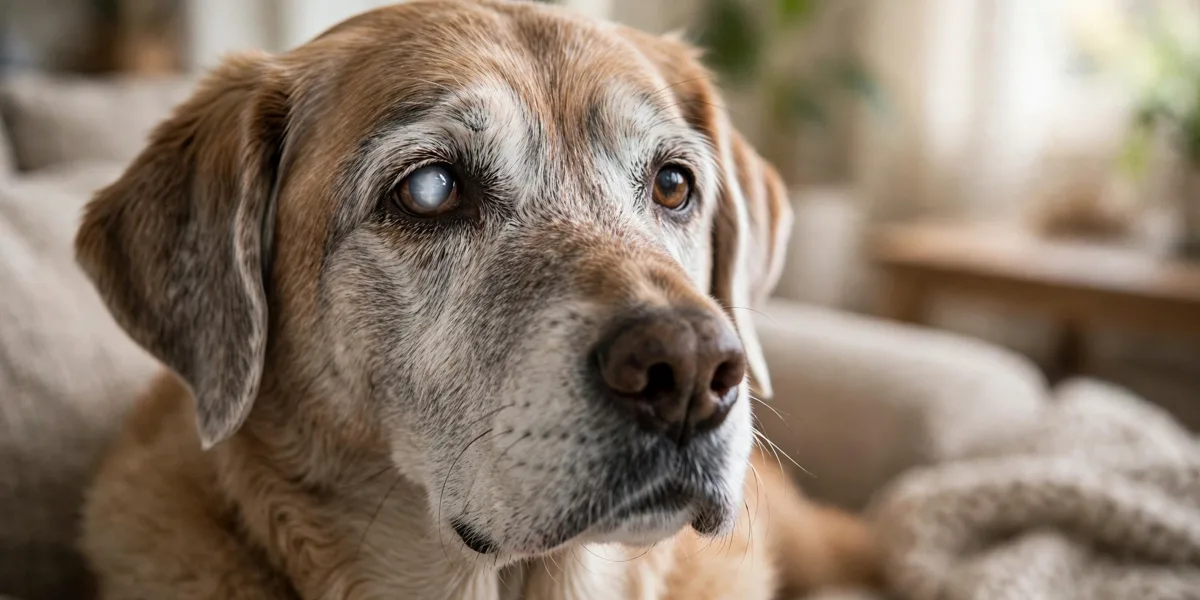
- A white, grey, or cloudy look inside one or both eyes
- Hesitating on stairs, at doorways, or in unfamiliar rooms
- Bumping into furniture, especially after it has moved
- Misjudging steps, jumps, or treats placed on the floor
- More trouble in dim light, at dusk, or in dark rooms
- Startling more easily, or seeming less sure in new places
Note when each sign started, and whether it affects one eye or both. Clear notes help your vet, and they help you spot a sudden change sooner.
How Vets Generally Check Eyes
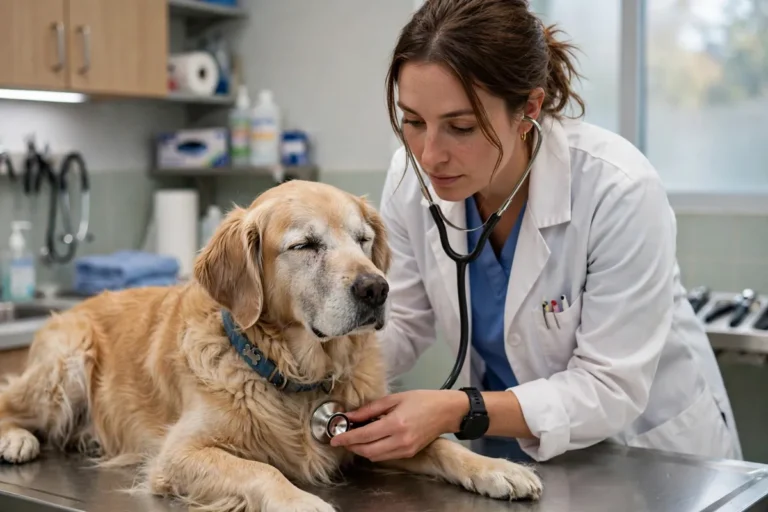
A vet visit often starts with questions about when you first noticed a change. Your vet will also ask about health, medicines, and any pain or redness you have seen.
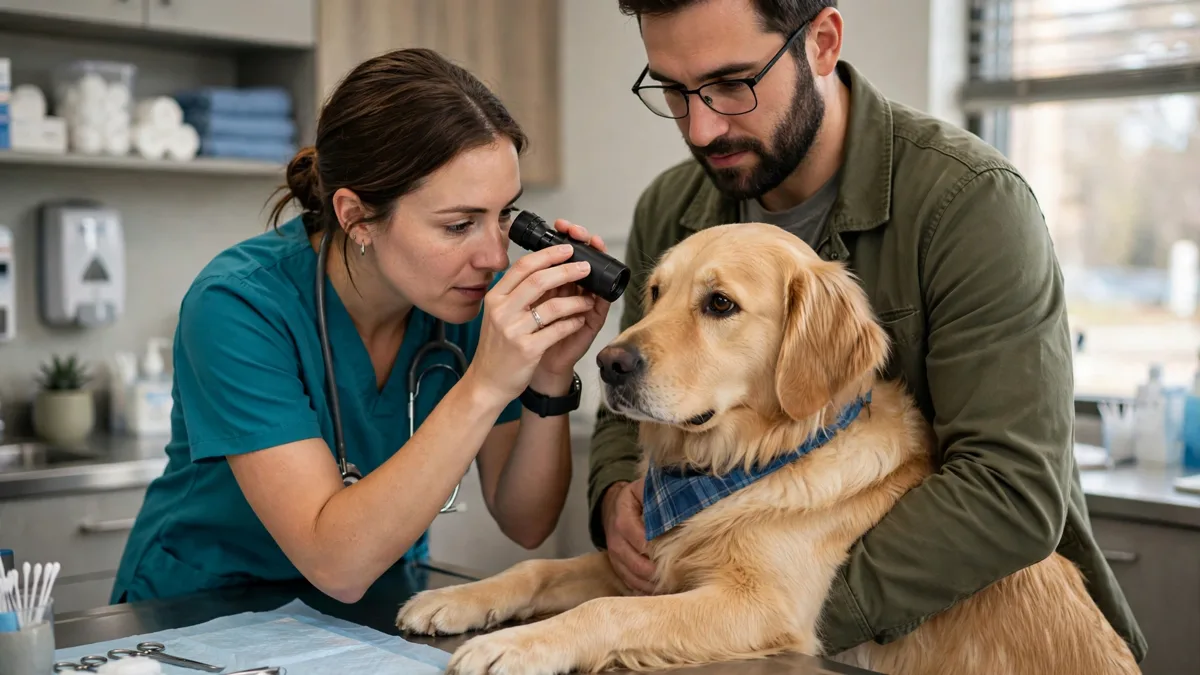
Your vet may then look closely at each eye with a bright light and a magnifier. In general terms, this helps the vet see the lens and the back of the eye.
Further eye checks may follow, depending on what the vet finds. This guide does not explain how to interpret results, so ask your vet to explain findings in plain words.
Bring your notes, and ask what to watch for next. If your dog seems in pain, or if a sign changes suddenly, say so at the start of the visit.
Living With a Dog With Cataracts
Can dogs get cataracts and still enjoy walks, play, and rest at home? Yes, with steady routines, clear paths, and calm guidance, many dogs cope well.
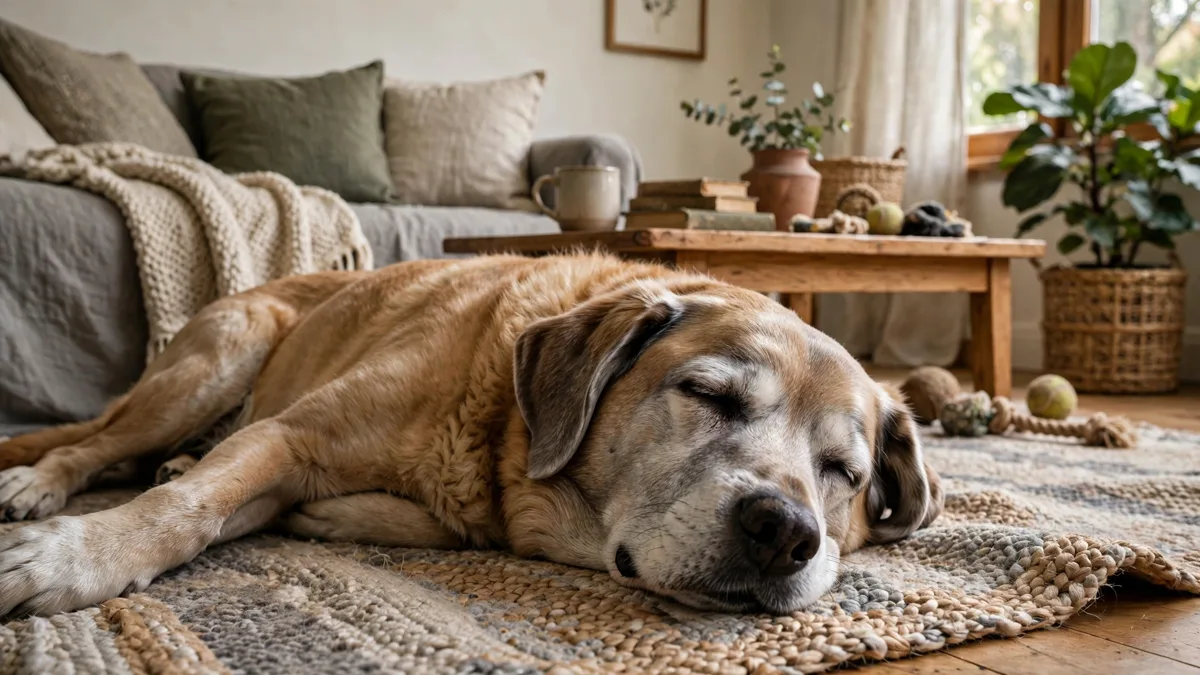
Keep furniture in the same places, and keep food and water bowls where your dog expects them. A steady layout lets memory and smell do more of the work.
- Use short, clear words before steps, doors, and turns.
- Keep a harness and a steady walking route for guidance.
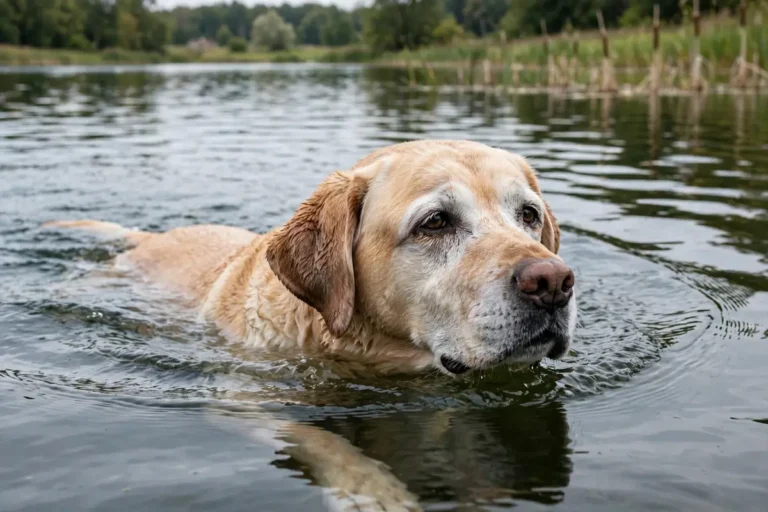
- Block stairs and pools with gates until routes feel safe.
- Use praise, treats, and patience for calm, careful movement.
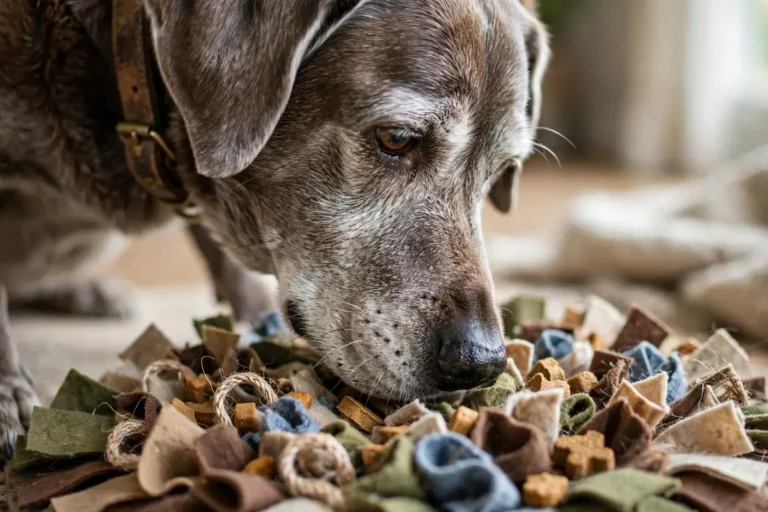
- Keep play gentle, and let your dog sniff and explore at its own pace.
Talk to your dog more on walks and at home. Your voice can act as a guide, and a calm tone helps a dog that feels unsure.
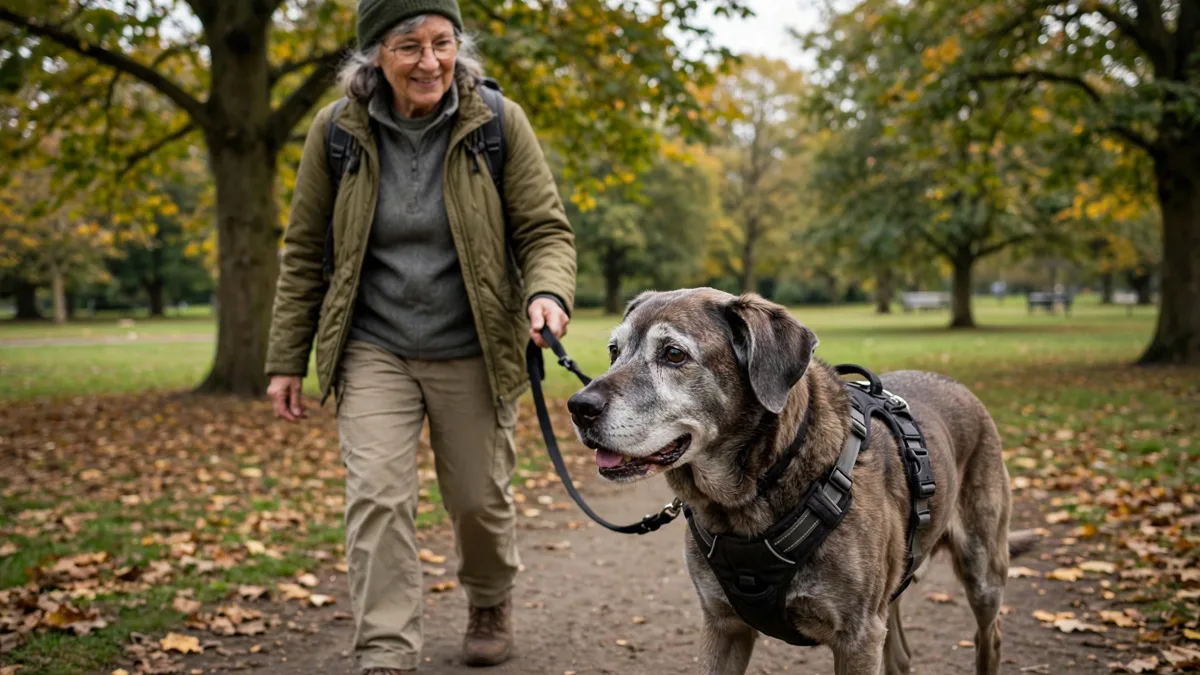
If behavior changes suddenly, or your dog seems fearful or in pain, ask a vet or a qualified behavior professional. Use positive reinforcement only, and never use punishment, dominance framing, or shock or prong collars.
What NOT to Do
- Never use human eye drops on your dog.
- Never buy drops sold as a cataract cure without vet advice.
- Never delay vet care for sudden eye changes, pain, or redness.
- Never punish clumsiness, bumping, or hesitation.
- Never move furniture often, or leave new hazards in walking paths.
- Never guess the cause from a photo or a cloudy look alone.
When in doubt, call your vet first. A short call is safer than waiting, and it is safer than trying a home remedy on your own.
When Eye Signs Need Urgent Vet Attention
Can dogs get cataracts that change suddenly? Yes, a sudden change in an eye is different from a slow change, and it needs prompt vet care.
| What you may notice | What to do |
|---|---|
| Sudden blindness or a sudden loss of confidence moving around | Contact your vet urgently, the same day if you can |
| Eye pain, squinting, pawing at the eye, or holding an eye shut | Contact your vet urgently, and do not wait |
| Redness in the eye, or cloudiness that appears suddenly | Contact your vet urgently, and describe when it started |
| A swollen eye, discharge, or a visible injury to the eye | Contact your vet urgently, and keep your dog calm |
If you cannot reach your usual vet, contact an urgent vet service. Describe the sign, when it started, and whether one eye or both eyes are affected.
Frequently Asked Questions
Do dogs get cataracts as they age?
They can, and cloudy eyes in older dogs are common. Some cloudiness comes from age-related lens changes, while other cases are cataracts, so a vet check is the way to tell.
Can a dog get cataracts in only one eye?
Yes, a cataract can affect one eye only. That can make changes harder to spot, because the other eye may help your dog get around.
What does a cataract look like?
Owners often notice a white or grey cloudy area inside the eye. The look alone does not prove a diagnosis, and other eye changes can look similar.
How do vets check a dog’s eyes?
Vets usually start with questions and a close look at each eye. They may use a light and a magnifier, and they may suggest further eye checks.
Can cloudy eyes be something else?
Yes, cloudy eyes can have other causes, including age-related lens changes and eye inflammation. Ask your vet to assess the eyes rather than guessing at home.
How can I help a dog with cataracts at home?
Keep routines steady, keep paths clear, and use your voice and praise to guide your dog. Ask your vet about any change, and get urgent help for sudden signs.
The Bottom Line
So, can dogs get cataracts? Yes. The key step is a vet check, followed by steady home routines and prompt care for any sudden change.
Watch for signs, keep notes, and use praise and patience as your dog learns new routes. With calm support, many dogs live well and stay confident at home.
For related BreedFix guidance, see our guides to dog loose stool and vomiting, the small golden retriever, and the anal glands of dogs.
Reference
Cornell University College of Veterinary Medicine, Canine cataracts.
Still stuck? Get a plan built for your dog.
Answer a few quick questions and get a personalized, force-free training plan in minutes.