How to Keep an Older Dog Hydrated If They Refuse to Drink
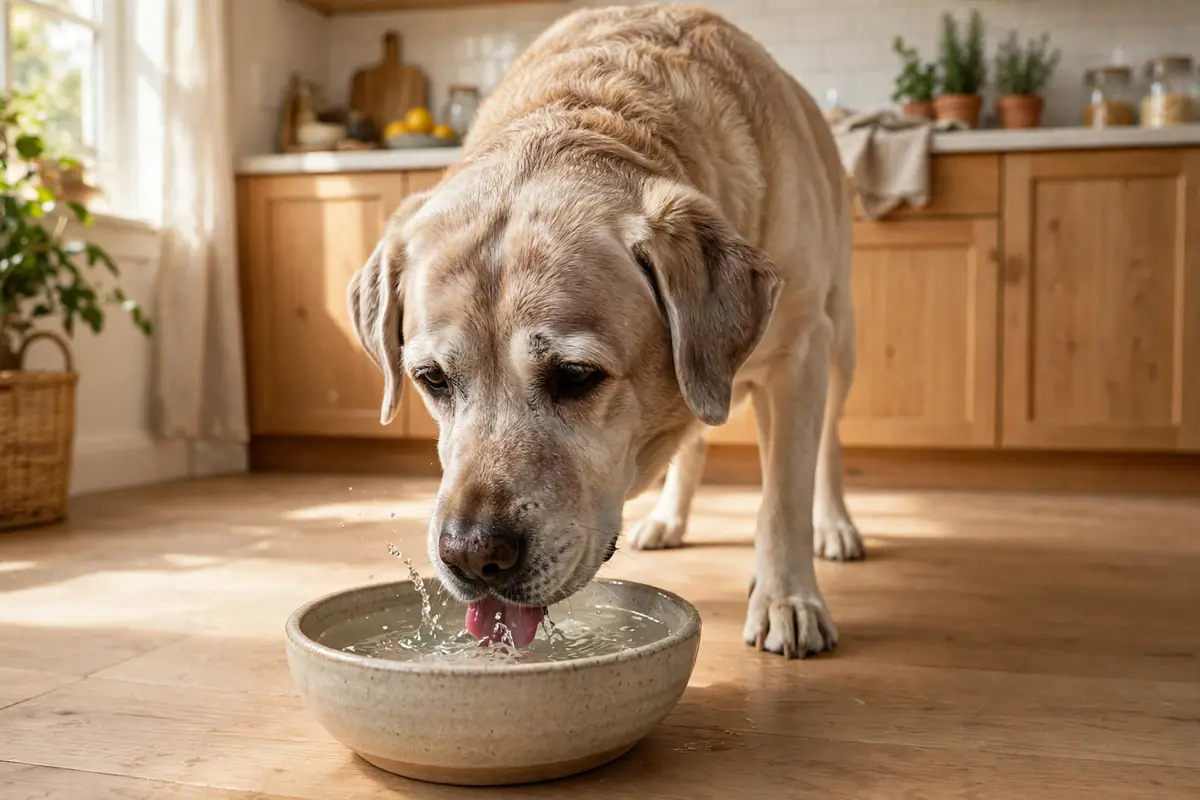
If your older dog walks to the bowl, sniffs, and walks away, the change can feel worrying. A dog that skips water for a short time is not always in danger, but a senior dog has less room to recover from fluid loss.
This guide explains how to keep an older dog hydrated when drinking from a bowl feels hard, painful, or confusing. It covers likely causes, a calm step by step plan, and the warning signs that mean you should call your vet.
Note: This article is for information only and is not veterinary advice. Dehydration can become dangerous quickly in senior dogs, so when in doubt, call your veterinarian.
Direct Answer: How to keep an older dog hydrated
To keep an older dog hydrated, start with easy access to fresh water, add moisture to food, and watch for warning signs. Place bowls where your dog already rests, try a fountain or broth, and use wet food or water added to kibble.
Home steps help only when your dog is otherwise fairly well. If drinking stops, or if vomiting, weakness, or collapse appears, contact your vet promptly. Do not wait for severe signs before asking for help.
Key Takeaways
- An older dog that takes no water at all for 24 hours needs a vet visit, not just home tricks.
- Common senior causes include dental pain, arthritis, nausea, illness, medication effects, and cognitive change.
- Simple steps that often help are bowls near resting spots, fountains, wet food, water added to kibble, and low sodium broth.
- Never force water into a dog’s mouth. Forcing water can cause choking or fluid in the lungs.
- Learn the basic home checks for gums and skin, and use them to track change between vet visits.
Why Older Dogs Refuse Water
A young healthy dog that skips water for a few hours is rarely a concern. In a senior dog, the same change deserves closer attention, because pain, illness, and weaker thirst signals can combine.
Dental pain. Sore teeth, gum disease, or mouth sores can make lapping painful. If your dog approaches the bowl, drops water, or turns away, ask your vet to check the mouth.
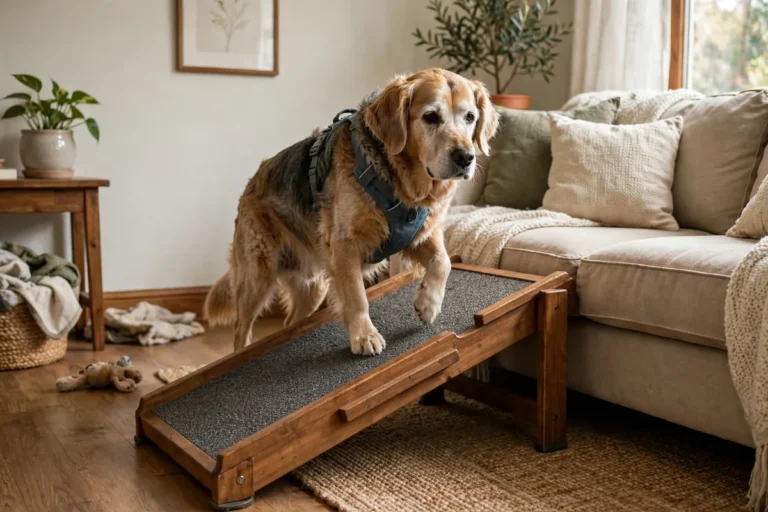
Arthritis and mobility pain. A stiff senior may hurt too much to get up, cross a slippery floor, or bend down to a low bowl. Read the guide on natural pain relief for old dogs with arthritis if movement seems to be part of the problem.
Nausea or illness. Dogs with upset stomachs, kidney disease, liver problems, or fever often refuse both food and water. These causes need vet assessment, not just a new bowl or flavor.
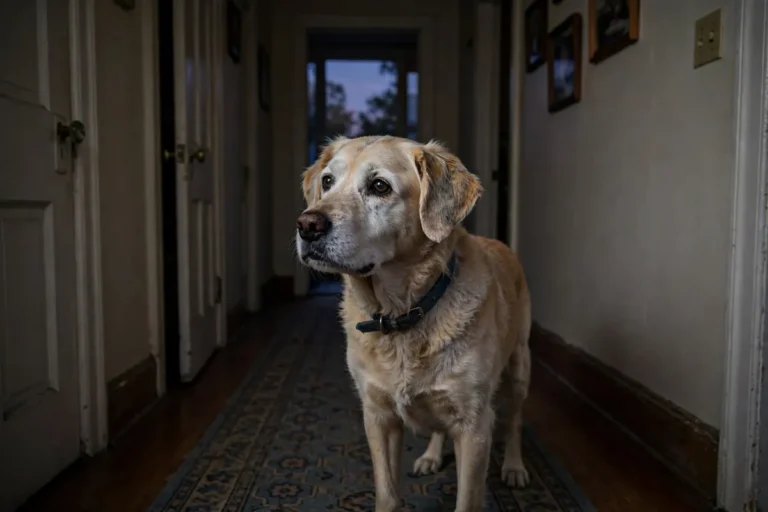
Reduced thirst drive and cognitive change. Some senior dogs forget where the bowl is, lose the habit of drinking, or seem confused at night. A steady routine and bowls in familiar spots can help while you seek vet advice.
Medication side effects. Some medicines change thirst or cause nausea. If refusal started after a new prescription, call your vet before stopping or changing any medicine on your own.
Bowl, floor, and water problems. A deep bowl, a bowl that moves, a slippery route, or stale water can put a senior dog off drinking. For traction ideas, see the guide on help for a dog that is afraid of slippery floors.
| Cause | What you may notice | First step |
|---|---|---|
| Dental pain | Approaches the bowl, then leaves, or drops food and water | Book a vet mouth check |
| Arthritis or mobility pain | Slow rising, stiffness, or reluctance to walk to the bowl | Move water closer and add traction |
| Nausea or illness | Refuses food and water, vomits, or seems dull | Call your vet promptly |
| Cognitive change | Forgets the bowl, paces, or seems confused | Use a fixed routine and familiar spots |
| Medication effect | Change began after a new medicine | Ask your vet about the timing |
Red Flags: When Refusing Water Is an Emergency
Try home steps only if your dog is otherwise acting fairly normally. Call your vet promptly, or go to an emergency clinic, if you see any of these signs.
- No water intake at all for 24 hours, or very little for 48 hours
- Vomiting or diarrhea alongside the refusal
- Extreme lethargy, weakness, or collapse
- Dry, sticky gums or sunken looking eyes
- Panting heavily at rest
- A bloated or painful belly
- Sudden change in behavior, including snapping when touched, hiding, or refusing food
Dehydration can affect circulation and organ function, so do not treat these signs as a simple preference. If you are unsure whether a sign is urgent, call your vet and describe what you see.
How to Tell If Your Senior Dog Is Dehydrated
These are rough home checks, not a diagnosis. Your vet makes the final call, and a check that looks normal does not rule out illness.
Gum check. Gently lift your dog’s lip. Healthy gums are usually moist and pink. Dry, sticky, or pale gums are a reason to call your vet.
Skin elasticity. Gently pinch the loose skin over the shoulders, lift slightly, and release. In a well hydrated dog, it usually settles back quickly. Loose senior skin can be slow to settle, so compare with your dog’s normal state.
Eyes and energy. Sunken looking eyes and unusual tiredness are later signs. Do not wait for these before acting, especially if drinking has already stopped.
9 Steps to Get Fluids Into a Senior Dog That Will Not Drink
Work through these steps in order, from simplest to most hands on. Change one thing at a time when you can, so you can see what helps. Stop and call the vet if your dog’s condition worsens.
Step 1: Move water bowls to where your dog already is
This step fixes more cases than any other trick. Place a bowl right next to your dog’s bed and other favorite resting spots, so drinking does not require a long walk.
Keep the bed low, warm, and easy to reach. A comfortable orthopedic bed for old dogs placed near water can reduce the effort of getting up and settling again.
Step 2: Try a pet water fountain
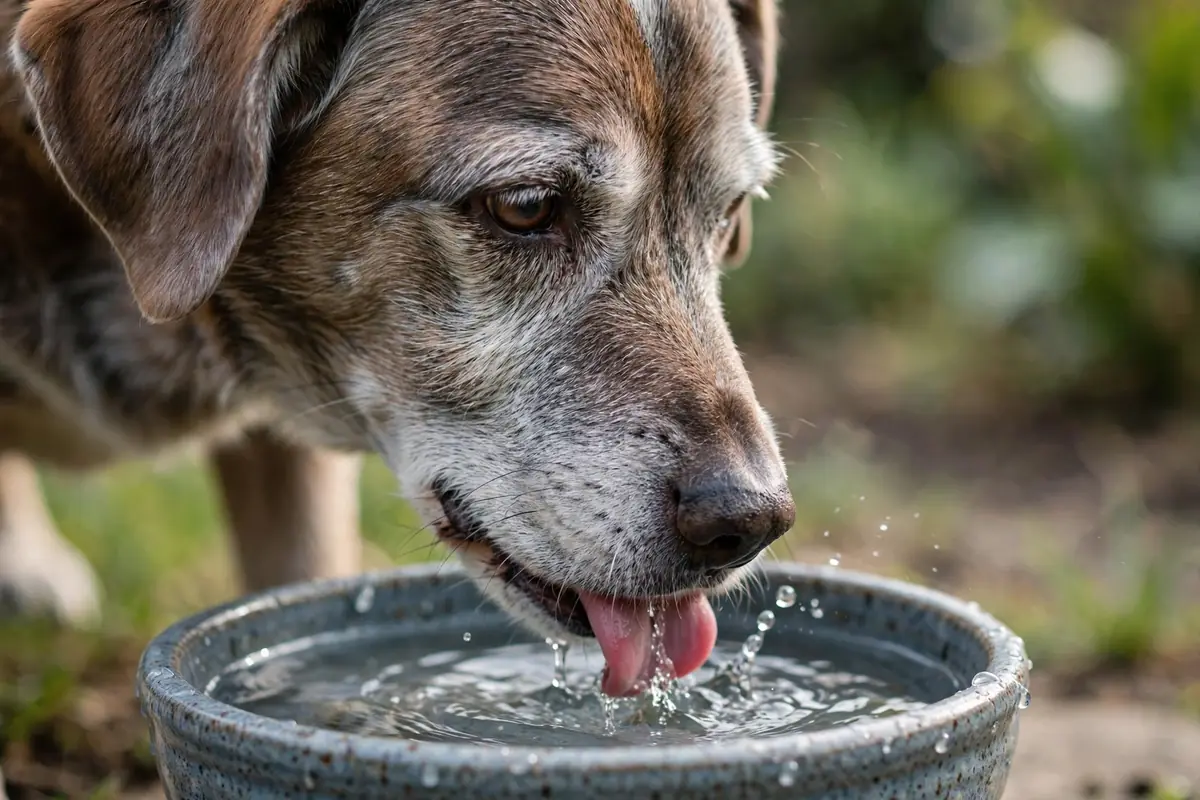
Many dogs that ignore still water will drink from moving water. Fountains can also keep water fresher and cooler, and the sound may remind a forgetful dog to drink.
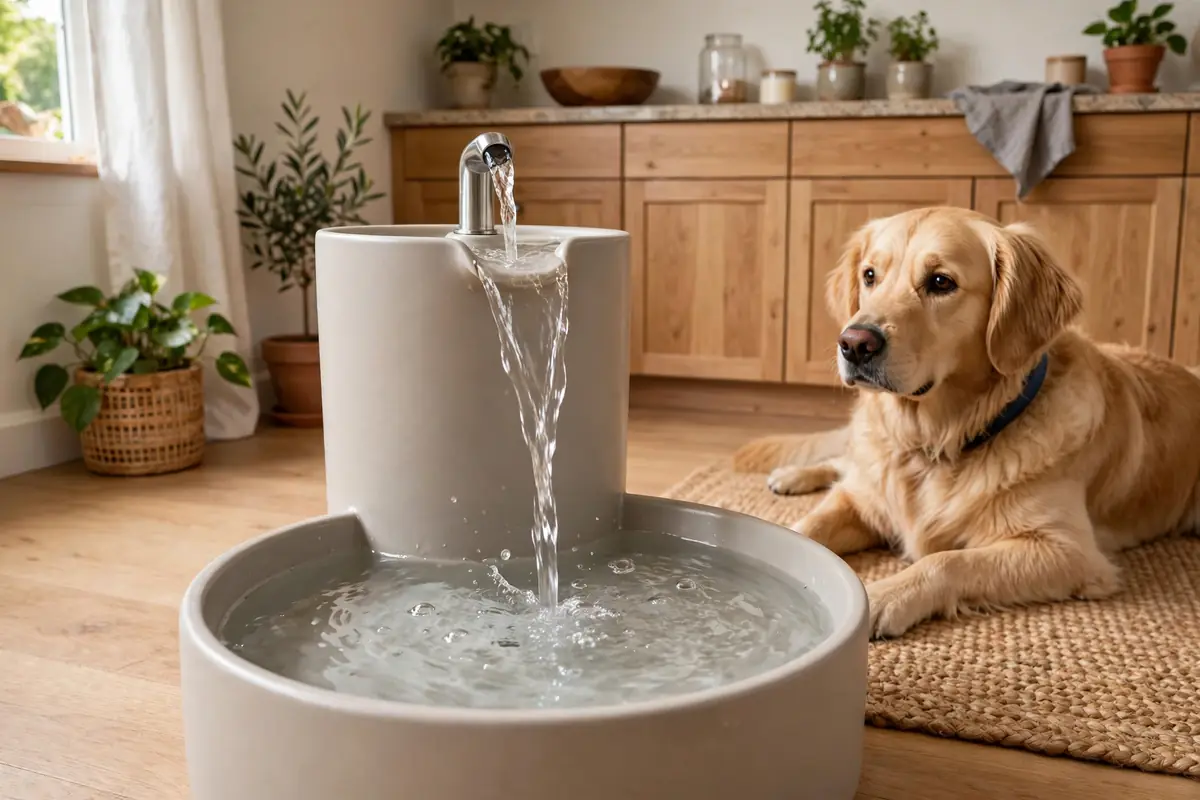
Clean the fountain as the maker directs, and keep a plain bowl available too. Some dogs like a fountain, while others prefer a quiet bowl, so offer both at first.
Step 3: Switch to wet food or add water to kibble
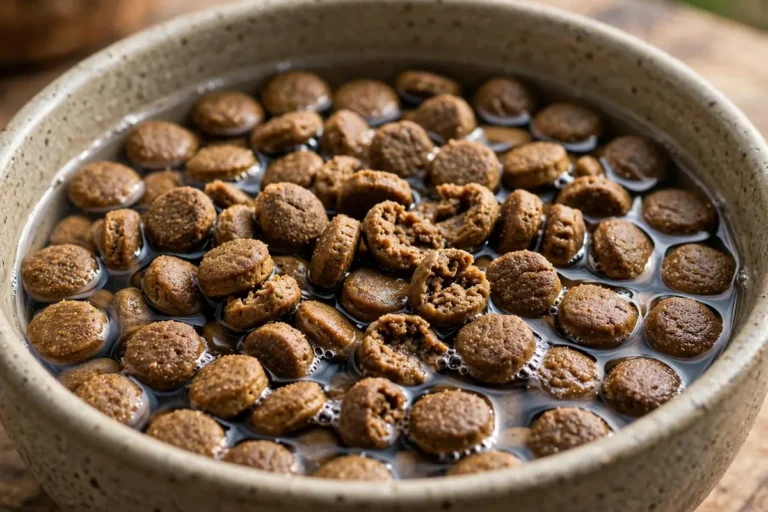
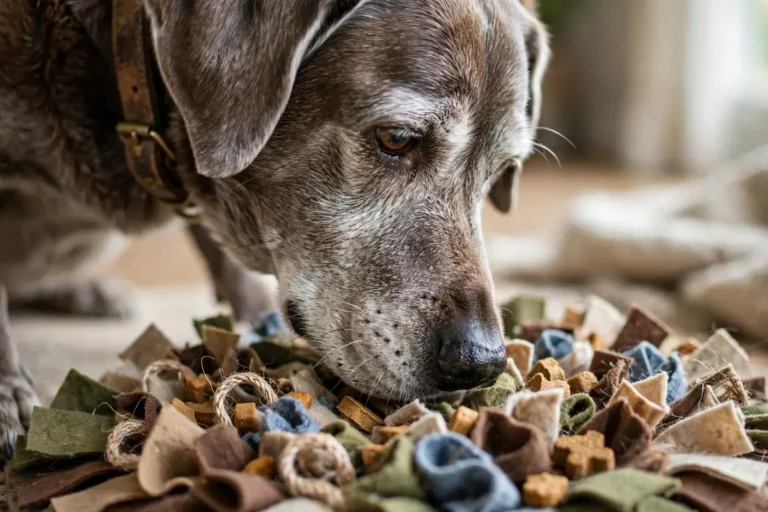
Wet food holds much more water than dry kibble, so a switch can add useful moisture. If your dog prefers kibble, add warm water and let it soften before serving.
Serve food at room temperature, not straight from the fridge. Cold food can be less appealing, and a shallow, wide dish can be easier than a deep bowl.
Step 4: Offer low sodium broth
Warm, low sodium chicken or beef broth is often appealing to a reluctant drinker. Use broth with no onion and no garlic, because both are toxic to dogs.
Start with a small amount mixed into water or poured over food. If your dog has kidney disease or another health condition, ask your vet about broth first.
Step 5: Try a different bowl, height, and water temperature
Some dogs dislike the taste of chlorinated tap water. Letting water stand in a jug for a short time, or using filtered water, may help if your vet agrees it is safe.
Try a ceramic or stainless steel bowl, a raised feeder for a stiff neck, and cool fresh water. Wash bowls daily, because stale water and a dirty bowl can put dogs off.
Step 6: Offer water rich foods
Seedless watermelon chunks, cucumber slices, and blueberries can add moisture as small snacks. Keep portions small, and use them as extras, not as a replacement for meals.
Introduce one new food at a time, and stop if it causes stomach upset. If your dog has diabetes, kidney disease, or another condition, ask your vet which snacks suit them.
Step 7: Use a syringe only if your vet advises it
If your vet advises it, you can offer water with a needle free syringe. Place the tip at the side of the mouth, give a small amount, and let your dog swallow.
Never pour water down the throat, hold the mouth shut, or force a struggling dog to swallow. If your dog coughs, gags, or becomes distressed, stop and call your vet.
Step 8: Make drinking part of a calm routine
Dogs with cognitive decline do best with structure. Offer water at the same times each day, right after walks, meals, and toilet breaks, and reward calm drinking with a soft word.
Keep the routine gentle and reward based. If nights are restless too, read the guide on senior dogs pacing at night and share the pattern with your vet.
Step 9: Ask your vet about fluids given under the skin
For seniors with recurring dehydration, vets sometimes teach owners to give fluids under the skin at home. This is a vet treatment, not a home remedy to start alone.
Ask your vet whether this option suits your dog, how often it would be needed, and what signs should prompt a clinic visit. Do not try it without vet training and guidance.
Daily Management and a Simple Tracking Log
A short daily log helps you keep an older dog hydrated without guessing. Note what you offered, what your dog took, and how eating, energy, and toilet habits looked.
| Day | Water offered | What your dog took | Notes for your vet |
|---|---|---|---|
| Day 1 | Bowl by bed, plus wet food | Note each drink and meal | Energy, appetite, and toilet changes |
| Day 2 | Fountain, plus broth in water | Note each drink and meal | Any vomiting, stiffness, or confusion |
| Day 3 | Keep the best option from Days 1 and 2 | Note each drink and meal | Share the log at the vet visit |
On hot days, after walks, and during travel, offer water more often and carry a bowl. Keep water available overnight near the bed, and refresh it at least once a day.
Reward calm approaches to the bowl, and keep sessions short and relaxed. If a change stops working, return to the last option that worked and tell your vet.
What NOT to Do
- Do not force water. Holding a dog’s mouth shut around a bowl or pouring water down the throat can cause choking or fluid in the lungs.
- Do not offer sports drinks, sugary drinks, or drinks with additives. Plain water, vet approved broths, and water rich foods are the safer options.
- Do not wait and see past 24 hours of no drinking. In seniors, dehydration can progress faster than owners expect.
- Do not assume it is just old age. Refusing water is a symptom, not a life stage. Age explains vulnerability, not the cause.
- Do not start or change medicine, supplements, or fluids on your own. Ask your vet first, and tell them about every medicine your dog takes.
- Do not use punishment, scolding, or aversive tools. Fear and pain do not improve drinking, and they can make a senior dog avoid the bowl even more.
When to Call the Vet: A Simple Rule
If your senior dog is drinking less but still taking some fluids, eating reasonably, and acting like themselves, try the steps above and track the result. If intake keeps falling, call your vet sooner rather than later.
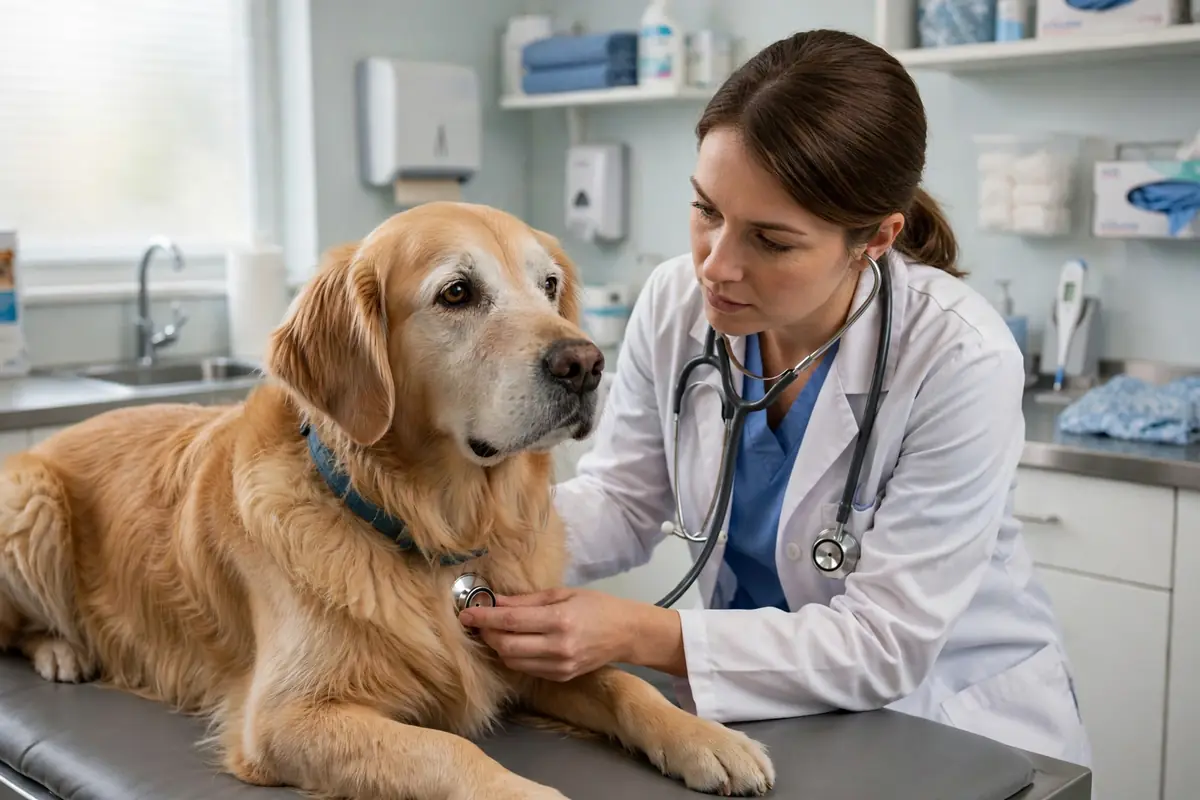
Book a vet visit for new, regular, or worsening refusal, for pain, for sudden change, or for any red flag in this guide. Ask for a referral to a certified behavior professional if fear, anxiety, or aggression stays strong after medical causes are checked.
Frequently Asked Questions
How long can a senior dog go without drinking water?
A dog should not go more than about 24 hours without water, and seniors have less margin than younger dogs. Call your vet sooner if your dog is ill, vomits, or has diarrhea.
Why does my old dog drink less water than before?
The most common senior causes are dental pain, arthritis that makes reaching the bowl difficult, nausea, illness, medication effects, and cognitive change. A vet check helps sort out which cause applies.
Is it okay to add broth to my dog’s water every day?
Low sodium broth without onion or garlic can work as a daily enticement for many dogs. Vary the amount, watch for stomach upset, and ask your vet if your dog has kidney disease or another condition.
Can I give my dog electrolyte drinks?
Only under veterinary guidance. Plain water, wet food, and vet approved broth are the first options. Avoid sports drinks and sugary drinks, and ask your vet before using any electrolyte product.
My senior dog will eat but will not drink. Is that an emergency?
Eating wet food provides useful moisture, so a dog eating well but drinking little is less urgent than a dog refusing both. Still track intake closely, and call your vet if drinking keeps falling or other signs appear.
Do water fountains really help senior dogs drink more?
A fountain can help you keep an older dog hydrated, but it is not a cure for illness or pain. Moving water stays fresher and cooler, and some dogs simply prefer it to still water.
To keep an older dog hydrated, focus on easy access, gentle food changes, and early vet advice. For pain, comfort, and night restlessness, see the guides on natural pain relief for old dogs with arthritis, a comfortable orthopedic bed for old dogs, and senior dogs pacing at night.
Reference
Reference: American Kennel Club, Dehydration in Dogs: What to Know
Still stuck? Get a plan built for your dog.
Answer a few quick questions and get a personalized, force-free training plan in minutes.