Why Is My Puppy Sleeping So Much and Not Eating Much?
Puppy sleeping too much not eating is a pattern that deserves close attention. A puppy that sleeps most of the day and shows little interest in food may simply be settling in, but the same pair of signs can also point to illness.
This guide explains normal puppy sleep in general terms, why a new puppy may eat less at first, and when the combination needs urgent vet care. It gives general information only. It does not diagnose your puppy.
Key Takeaways
- Puppy sleeping too much not eating together is more worrying than either sign on its own.
- Young puppies sleep a lot, but they should still wake bright, play, and show interest in food.
- Do not wait out red-flag signs. A puppy that will not wake, will not eat, vomits, or has diarrhea needs prompt vet care.
- Note sleep, food, water, toilet habits, and energy for your vet. Short, plain notes help more than one worried memory.
- Use calm praise and patience only. Never force-feed, never give human medicines, and never use punishment-based tools.
Puppy Sleeping Too Much Not Eating: The Direct Answer
In short, puppy sleeping too much not eating means your puppy is resting far more than usual and showing little interest in food. Look at the pattern, not one nap or one skipped meal alone.
If the change is sudden, lasts, or comes with other worrying signs, contact your vet promptly. If your puppy is hard to wake, weak, or collapses, seek emergency vet care at once.
How Much Sleep Is Normal for a Puppy?
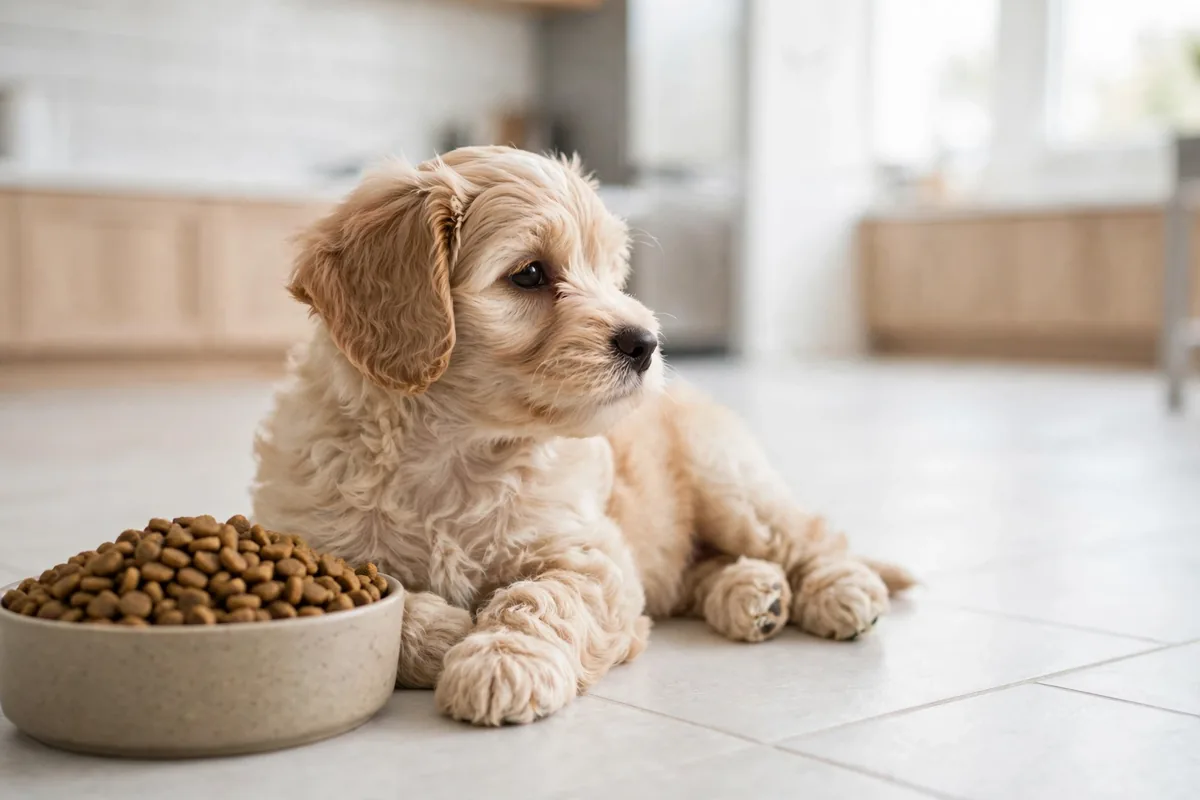
Very young puppies sleep most of the day. They wake for short bursts of play, food, and toilet trips, then sleep again. That rhythm is normal in general terms.
As puppies grow, they usually sleep less and stay awake for longer spells. They still nap often, especially after play, learning, or a busy outing.
Sleeping a lot alone is different from puppy sleeping too much not eating. A sleepy but healthy puppy wakes bright, moves well, and eats with interest.
| Pattern you may notice | What it may suggest | Next step |
|---|---|---|
| Wakes bright and playful | Often a normal sleep rhythm | Keep routine steady and watch |
| Sleeps after play, then eats normally | Often tiredness after activity | Let your puppy rest and eat as usual |
| Hard to wake or dull when awake | A worrying change to note | Contact your vet promptly |
| Sleeps more and eats much less | A pattern that needs vet advice | Contact your vet promptly |
Why a New Puppy May Eat Less at First

A new home can change appetite for a short time. New sounds, smells, people, and routines can make a puppy cautious about food at first.
Keep meals calm and steady. Offer the usual puppy food at the usual times, in a quiet spot, and avoid a parade of new foods.
Growth spurts, teething, a big day, or a recent vaccination can also bring a short dip in appetite. These dips should be brief and should improve, not grow worse.
Picky eating is different from not eating. A puppy that skips kibble but eats treats with energy is not the same as a puppy that turns away from all food and sleeps heavily.
When the Combination Is a Concern
Contact your vet promptly if puppy sleeping too much not eating continues, grows worse, or comes with other changes. Do not rely on a single good moment to rule out a problem.
In general terms, illness, pain, infection, parasites, and low blood sugar in very small puppies can all reduce energy and appetite. Only a vet can tell which cause applies to your puppy.
Watch for change over time. A puppy that was bright yesterday and dull today, or that eats less each meal, needs vet advice sooner rather than later.
When to Seek Urgent Vet Attention
Seek emergency vet care at once, or contact your vet promptly, if you see any sign below. Do not wait for the pattern to settle on its own.
- A puppy that will not wake, is limp, weak, or collapses
- Repeated vomiting or diarrhea, especially bloody stools
- Pale, white, or grey gums, or trouble breathing
- A swollen or painful belly, or a seizure
- Suspected poisoning, or something toxic eaten
- A puppy that will not drink, or shows signs of dehydration
For very young or very small puppies, be extra careful. Small puppies can run down quickly, so early vet advice matters more than waiting to see.
What to Observe and Note for Your Vet
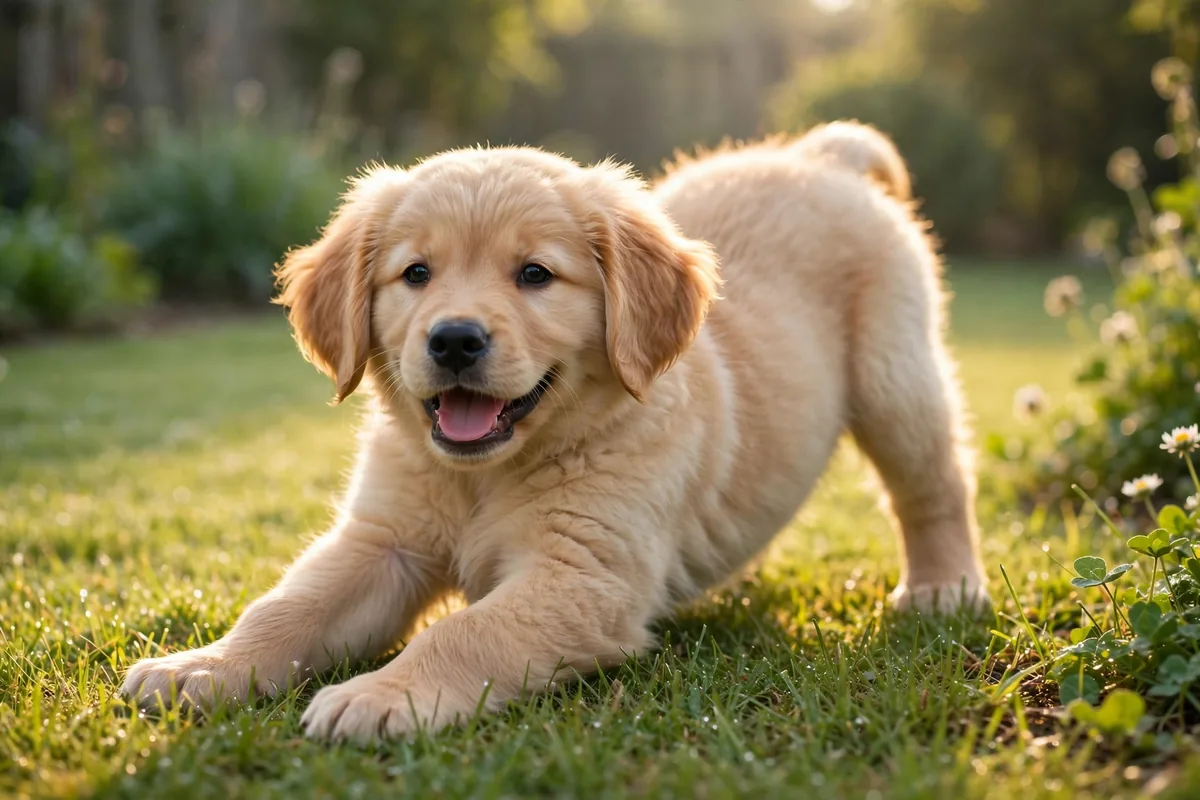
Short notes help your vet. Note when the change started, whether sleep and appetite changed together, and what else changed at the same time.
- When sleep increased, and whether your puppy wakes easily
- How much food and water your puppy takes, and when
- Toilet habits, vomiting, diarrhea, coughing, or discharge
- Energy, play, walking, and response to gentle praise
- Recent food changes, vaccinations, visitors, or travel
- Anything unusual your puppy may have chewed or eaten
When you describe puppy sleeping too much not eating to your vet, share the pattern in plain words. Say when it started, how it changed, and what worries you most.
What NOT to Do
- Never force-feed a sleepy puppy. Food or liquid given by force can go the wrong way.
- Never give human medicines, leftover medicines, or medicines meant for another dog.
- Never wait out red-flag signs while trying home fixes. Urgent signs need vet care first.
- Never punish sleepiness, low appetite, or toilet accidents. Use calm praise for settling and for eating.
- Never use shock collars, prong collars, or dominance-based methods. They add fear and do not treat illness.
- Never change food, water, or routine in a big way without asking your vet first. Any home-care change must be vet-first: ask your vet first.
While You Wait for Vet Advice
Keep fresh water available at all times. Keep the room calm, warm, and quiet, and let your puppy rest in a safe, comfortable spot.
Offer the usual food at the usual times. If your puppy refuses food, note it and tell your vet. Do not try a long list of new foods to tempt eating.
Use gentle praise for calm settling and for any interest in food or play. Keep play short and gentle if your puppy seems tired.
For pain, a sudden change, aggression, or any medical concern, ask your vet about a referral to a vet or a qualified behavior professional. This guide does not replace that advice.
Frequently Asked Questions
Is it normal for a young puppy to sleep most of the day?
Yes, in general terms. Young puppies sleep a great deal and wake in short, bright bursts. What is not normal is a puppy that is hard to wake, dull when awake, and uninterested in food.
Can a new home cause a puppy to eat less?
Yes, for a short time. A new home can make a puppy cautious and sleepy at first. Appetite should improve as routine settles. If it does not improve, contact your vet.
What if my puppy skips one meal but plays normally?
One skipped meal with normal energy, drinking, and toilet habits is less worrying. Keep watching, and contact your vet if appetite does not return or other signs appear.
Should I wake a sleeping puppy to eat?
Do not startle a sleeping puppy. Speak softly first and let your puppy wake calmly. If your puppy will not wake, seems limp, or will not eat, contact your vet promptly.
Can teething or a busy day explain extra sleep?
Sometimes, in general terms. Teething discomfort or a very busy day can bring extra sleep and a short dip in appetite. The key difference is that your puppy should still wake bright and eat.
When should I call the vet instead of waiting?
Call promptly for a lasting change, a sudden change, or any red-flag sign in this guide. For urgent signs, seek emergency vet care at once. Early advice is safer for puppies.
The Bottom Line
If puppy sleeping too much not eating is what you are seeing, trust the pattern and contact your vet. Keep notes, keep water available, and use calm praise while you wait for advice. For related BreedFix guidance, see our guides to pug breathing heavy sleeping, signs a puppy is drinking too much water, and how to train an aggressive rescue dog around strangers.
Reference
Reference: American Kennel Club, How to Spot a Sick Puppy: Signs and Symptoms to Look For. This guide is general information only and is not veterinary advice.
Still stuck? Get a plan built for your dog.
Answer a few quick questions and get a personalized, force-free training plan in minutes.