Dog Coughing and Gagging: 9 Causes and When It Is an Emergency
Few sounds worry an owner more than dog coughing and gagging that seems to bring nothing up, again and again.
This guide gives general information only. It cannot diagnose your dog, and it does not replace a vet visit.
Dog Coughing and Gagging: The Direct Answer
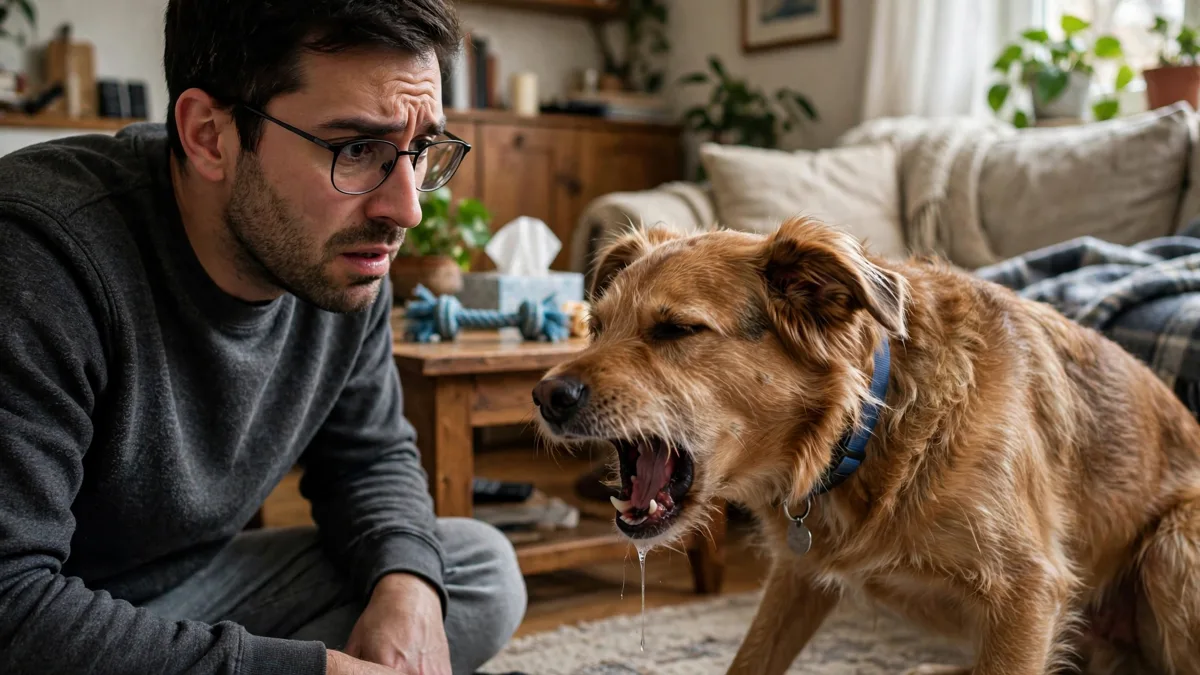
Dog coughing and gagging most often means a strong cough that ends in a gag, rather than true vomiting.
The gag can bring up a little white foam or nothing at all. Vomiting, by contrast, usually comes from the belly, with heaving and food or bile.
If breathing is hard, gums look blue or pale, your dog collapses, or choking will not clear, get emergency vet help at once.
Key Takeaways
- Check breathing, gum color, and alertness before you look for a cause.
- Emergency signs need an immediate vet visit, not home observation.
- A mild cough in a bright, eating dog still deserves a vet call if it lasts or worsens.
- Note when the cough started, what triggers it, and what it sounds like.
- Never give human cough or cold medicine without vet instruction.
- Use praise and calm handling only, and ask a vet or qualified behavior professional about pain, sudden change, or aggression.
Get Emergency Help First
Do not wait to work through the causes below if any sign in this section is present. Call an emergency vet and travel safely.
- Difficulty breathing, noisy breathing, or open-mouth breathing at rest.
- Blue, grey, or pale gums or tongue.
- Collapse, fainting, or a dog that cannot stand or respond normally.
- Choking that will not clear, with pawing at the mouth and drooling.
- Coughing up blood or pink froth.
- A cough that will not stop, or breathing that keeps getting worse.
Be extra cautious with puppies, seniors, flat-faced breeds, and dogs with known heart or lung problems.
Why Coughing Ends in a Gag
A cough is a strong blast of air that clears the airway. When it is strong or repeated, it can trigger the gag reflex at the end.
That final gag is therefore common in many coughs. It does not by itself tell you which cause is present.
A short phone video can help your vet, if you can film safely. Cough sounds are hard to describe in words alone.
The 9 Causes at a Glance
Dog coughing and gagging has many possible causes, and several look alike at home. Use this table as a guide, not a diagnosis.
| Cause | What you may notice | First step |
|---|---|---|
| 1. Kennel cough | Dry, honking cough in fits | Call your vet and keep the dog away from other dogs |
| 2. Collapsed trachea | Goose-like honk, often in small dogs | Use a harness and book a vet check |
| 3. Foreign object | Sudden frantic gagging and pawing | Seek emergency vet help at once |
| 4. Reverse sneezing | Rapid snorting inward, neck stretched | Stay calm and call your vet if episodes repeat |
| 5. Heart disease | Gradual soft or wet cough in an older dog | Book a prompt vet check |
| 6. Pneumonia | Wet cough with tiredness or fever signs | Call your vet the same day |
| 7. Allergies and irritants | Cough linked to smoke, dust, or pollen | Reduce exposure and ask your vet |
| 8. Chronic bronchitis | Long-term harsh cough in fits | Book a vet check for a long-term plan |
| 9. Heartworm disease | Cough with low stamina or weight change | Book a prompt vet check |
Cause 1: Kennel Cough
Kennel cough is a contagious respiratory infection. It often follows contact with other dogs, such as at boarding, day care, or a park.
The classic pattern is a dry, honking or hacking cough in fits, often ending in a gag. Between fits, many dogs seem bright and eat normally.
It stops looking mild if fever, tiredness, appetite loss, thick discharge, or a wet cough appears. Those signs need a vet call the same day.
Cause 2: Collapsed Trachea
In a collapsed trachea, the windpipe narrows and irritates easily. It is most often described in small dogs, and the cough can sound like a goose honk.
Excitement, exercise, eating, drinking, and pressure from a collar can trigger fits. A harness spreads pressure more gently than a collar.
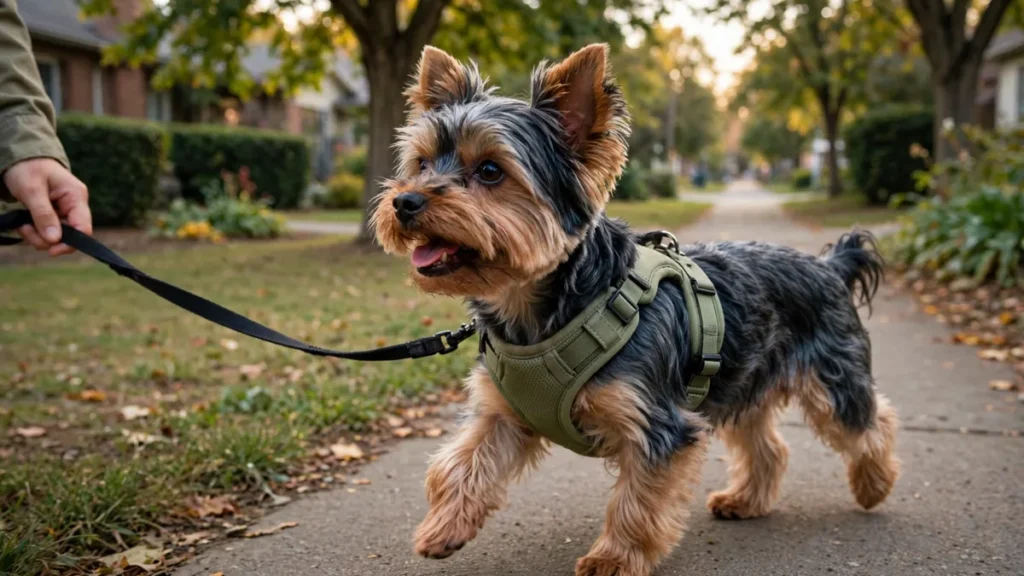
A new cough in a small dog still needs a vet check first. Kennel cough and trachea problems can sound very similar at home.
Cause 3: Something Stuck in the Throat
A foreign object is the most urgent cause to rule out. Look for sudden, frantic gagging, pawing at the mouth, drooling, and clear distress.
Do not sweep fingers blindly deep into the throat. You can push an object further in, or be bitten badly.
If the dog cannot breathe, is choking, or will not settle, get emergency vet help at once. Calmer, occasional gagging still deserves a same-day vet call.
Cause 4: Reverse Sneezing
Reverse sneezing is not a true cough. The dog stands still, stretches the neck, and snorts air inward in rapid bursts.
It can look frightening, yet the dog can usually still breathe. Irritation, excitement, or pulling on a lead can trigger it.
It is often seen in small and flat-faced breeds. If episodes are frequent, longer, or come with discharge or a true cough, ask your vet.
Cause 5: Heart Disease
Heart disease is often a gradual problem in older dogs. The cough may be soft or wet, and it may creep in over time rather than start suddenly.
In general terms, an enlarged heart can press on airways, and fluid can build up in the lungs. Faster breathing at rest is a warning sign.
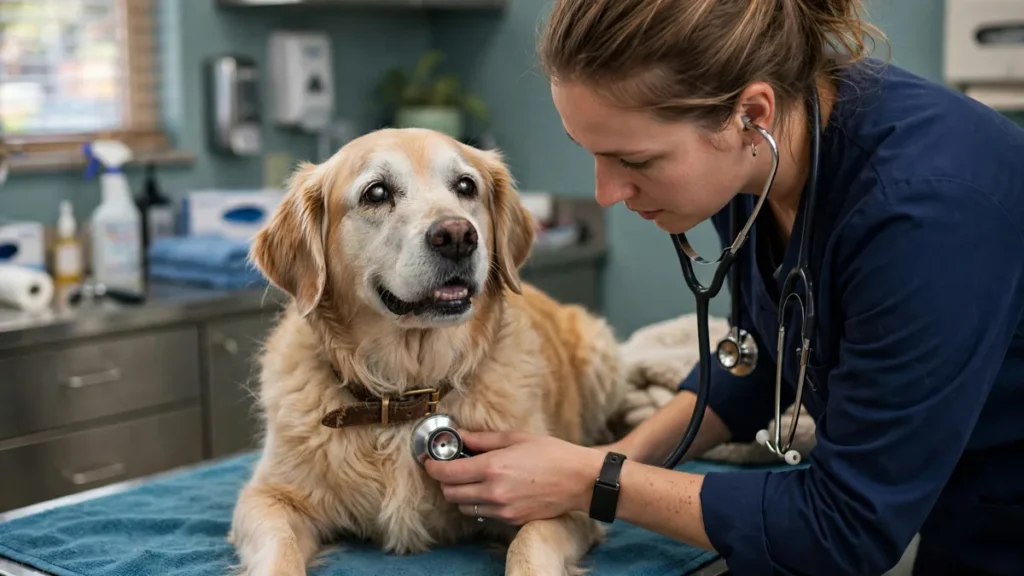
A persistent cough in a senior dog always earns a vet visit. Other signs may include low stamina, restlessness at night, or less interest in walks.
Cause 6: Pneumonia and Other Lung Infections
Pneumonia means inflammation or infection in the lungs. It can follow another infection, or follow inhaled vomit or water.
The cough is often wet and productive. Tiredness, appetite loss, fever signs, and faster breathing may come with it.
Canine influenza can also include coughing, often with fever and eye or nose discharge. A wet cough with breathing changes needs same-day vet care.
Cause 7: Allergies and Irritants
Smoke, dust, scented sprays, pollen, and poor air quality can irritate airways. Some dogs cough more in certain seasons or rooms.
Watch for a pattern, such as coughing after walks, cleaning, or time near smoke. Share that pattern with your vet, rather than guessing the trigger.
If itching goes with the cough, our guide to dog itchy skin home remedies may help you describe the skin pattern, but it does not diagnose an allergy.
Cause 8: Chronic Bronchitis
Chronic bronchitis is long-term inflammation of the airways. It produces a harsh cough that comes in fits, often after excitement or activity.
Dogs often settle between fits, which can make the pattern easy to dismiss. A cough that lasts, returns often, or worsens needs a vet check.
Your vet can look for other causes first, since chronic bronchitis shares signs with heart disease, infection, and trachea problems.
Cause 9: Heartworm Disease
Heartworm disease is spread by mosquitoes and affects the heart and lungs. It can cause coughing, low stamina, and gradual weight change.
Early disease may show few signs, so a cough alone cannot rule it in or out. Only a vet check can assess this cause properly.
Dog coughing and gagging linked to low stamina, fainting, or breathing trouble should be treated as urgent, not as a routine wait-and-see case.
What to Observe and Tell Your Vet
Good notes help your vet more than a single label like bad cough. Record what you see, calmly, over a day or two if it is safe to wait.
- When the cough started, and whether it is getting better or worse.
- Whether it is dry, wet, honking, soft, or high-pitched.
- What triggers it, such as excitement, exercise, eating, drinking, or smoke.
- Whether the gag brings up foam, mucus, blood, or nothing.
- Appetite, energy, breathing at rest, and any discharge from eyes or nose.
- Recent contact with other dogs, boarding, parks, or new foods and products.
Check ears gently as part of a calm body check. For safe outer-ear care only, see our guide to how to clean dog ears safely.
What to Do at Home for a Mild Cough
Home care is only for a bright, eating dog that breathes normally and has no emergency signs. If you are unsure, call your vet first.

Keep the dog rested, with fresh water and clean air. Avoid smoke, strong scents, and dusty rooms while the cough lasts.
Use a harness instead of a collar if collar pressure seems to trigger coughing. Keep walks short, calm, and praise-based.
Keep a coughing dog away from other dogs until your vet says it is safe to mix again. Do not guess when isolation can end.
What NOT to Do
- Do not give human cough, cold, or pain medicines without vet instruction.
- Do not try to diagnose the cause at home from sound alone.
- Do not sweep fingers deep into the throat to search for an object.
- Do not use smoke, strong sprays, or scented products near a coughing dog.
- Do not punish coughing, gagging, or restlessness. Use praise, calm redirection, and short, kind sessions.
- Do not use shock or prong collars, and do not force a frightened dog to keep going.
When to Call the Vet Urgently vs Book a Routine Visit
| Call urgently | Book a routine visit |
|---|---|
| Hard or noisy breathing at rest | Mild cough in a bright, eating dog that is not worsening |
| Blue or pale gums, collapse, or fainting | Cough that keeps returning, even if mild |
| Blood or pink froth in the cough | Cough linked to a clear seasonal or household pattern |
| Choking that will not clear | Questions about prevention, harness fit, or next checks |
When in doubt, choose the urgent call. A vet can downgrade the urgency, but a missed emergency cannot be undone at home.
Frequently Asked Questions
Why does my dog cough and gag but nothing comes up?
Often because the gag is the end of the cough, not vomiting. The cough triggers the reflex, and little or nothing is produced.
Why is my dog coughing like something is stuck in his throat?
That feeling is common with kennel cough and collapsed trachea, which irritate the airway. A true object is still an emergency if distress is sudden.
Is kennel cough dangerous?
For many healthy adult dogs, it is miserable but short-lived with vet guidance. Puppies, seniors, and dogs with other illness need closer vet care.
Why does my dog cough after drinking water?
Water can tickle an already irritated airway. Dogs with trachea or voice-box problems may cough more after drinking.
How long should I wait before seeing a vet?
Any cough with breathing changes, tiredness, appetite loss, or discharge needs a same-day call. A mild cough that lasts or worsens also needs a check.
The Bottom Line
Dog coughing and gagging is often a strong cough with a gag at the end, but the cause can range from irritation to a serious heart or lung problem.
Use praise and short, calm sessions while you observe, and ask your vet or a qualified behavior professional about pain, sudden changes, or aggression. If a separate skin or paw pattern appears, our guides to dog itchy skin home remedies and dog paw yeast infection home remedies may help you tell the patterns apart.
Reference
American Kennel Club, Why Do Dogs Cough? Causes and Treatments.
Still stuck? Get a plan built for your dog.
Answer a few quick questions and get a personalized, force-free training plan in minutes.
Try the Free Dog Tools