Dry Cracked Dog Nose: Home Treatment With Coconut Oil
A dry cracked dog nose can look sore, and it often feels rough to the touch. This guide explains gentle home care with coconut oil, what else can help, and when a vet visit is needed.
Coconut oil will not fix every cause. It may help moisturize simple dryness, but it cannot diagnose or cure infection, sun damage, or an autoimmune problem.
Key Takeaways
- A dry nose alone does not always mean illness. Many dogs wake with a dry nose after sleep.
- Use virgin, unrefined coconut oil only on the outside of the nose, in a thin layer.
- Warm a pea-sized amount in your hands first, and keep oil out of the nostrils.
- Watch for licking, and use a short, calm activity with praise to let it absorb.
- See your vet for bleeding, sores that will not heal, discharge, swelling, or a color change.
Dry Cracked Dog Nose: The Direct Answer
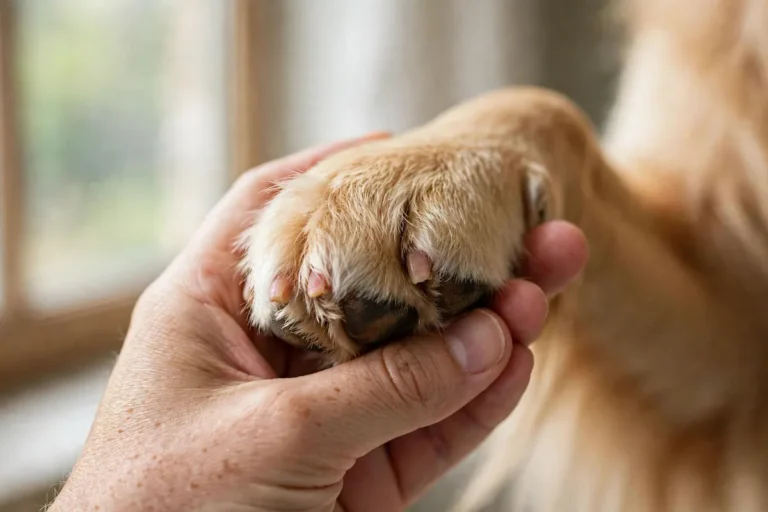
For a dry cracked dog nose caused by weather or dry indoor air, a thin layer of virgin, unrefined coconut oil applied once or twice a day may help moisturize the nose. Keep the layer thin and external only.
Do not expect instant healing, and do not use more oil to speed results. If the nose looks worse, or warning signs appear, stop home care and contact your vet.
Why Dog Noses Dry and Crack
A dog keeps its nose moist by licking it. When licking drops during sleep, or moisture is lost to the air, the nose surface can dry out.
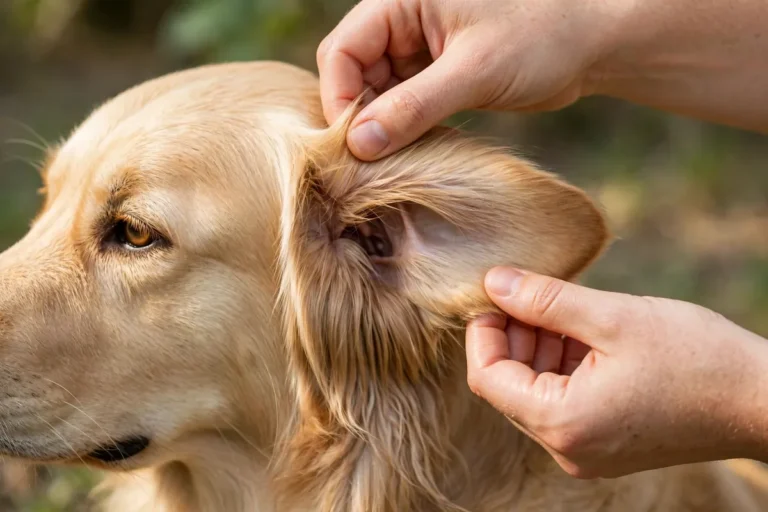
A dry cracked dog nose often follows cold wind, dry heated air, sun, or low water intake. Older dogs and flat-faced dogs may also lick less well, so dryness builds up more easily.
- Weather and heating. Cold air outside and dry heated air inside pull moisture from the nose.
- Age. Older dogs may have drier skin and may lick less often.
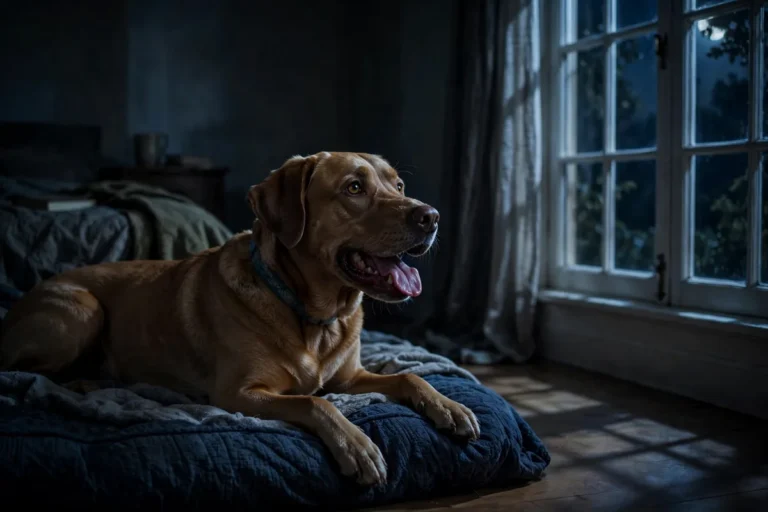
- Licking and sleep. Dogs do not lick while asleep, so a nose can feel dry on waking.
- Environment. Wind, sun, dust, and smoke can dry or irritate the nose surface.
- Allergies and irritants. Pollen, dust, and scented products can add to dryness.
- Bowls and contact. Some dogs react to plastic bowls, so a steel bowl is a simple test.
- Health causes. Thick crust that keeps building up can need a vet check, not just moisture.
Flat-faced dogs need extra care because a short muzzle can make licking harder. Gentle face care routines, like those in our shih tzu tear stain removal natural guide, show how short, calm sessions work best.
Can Coconut Oil Help a Dry Nose?
Yes, for simple dryness, coconut oil may help. It forms a light moisture barrier on the nose surface, and a thin layer is usually licked off in small amounts.
Choose virgin, unrefined coconut oil with no added scent. Keep it external only, and watch for licking in quantity, because eating a large amount can upset the stomach.
Coconut oil may help moisturize, but it never guarantees healing. If dryness is sudden, severe, or keeps returning, the cause still needs a vet check.
| Option | How it may help | Watch out for |
|---|---|---|
| Coconut oil | Light moisture barrier, easy to apply | Licking, use only a thin layer |
| Shea butter, plain | Thicker moisture barrier | Added scent or other ingredients |
| Olive oil | Light moisture for mild dryness | Thin feel, may rub off fast |
| Pet nose balm | Made to stay on the nose | Check that every ingredient is pet safe |
How to Apply Coconut Oil Step by Step
When you treat a dry cracked dog nose, keep the routine short and calm. Use praise and a small treat after, so your dog learns that nose care is a good thing.
- Choose the right oil. Virgin, unrefined coconut oil with no added scent.
- Start clean. Wipe the nose gently with a damp cloth to remove dirt and loose flakes.
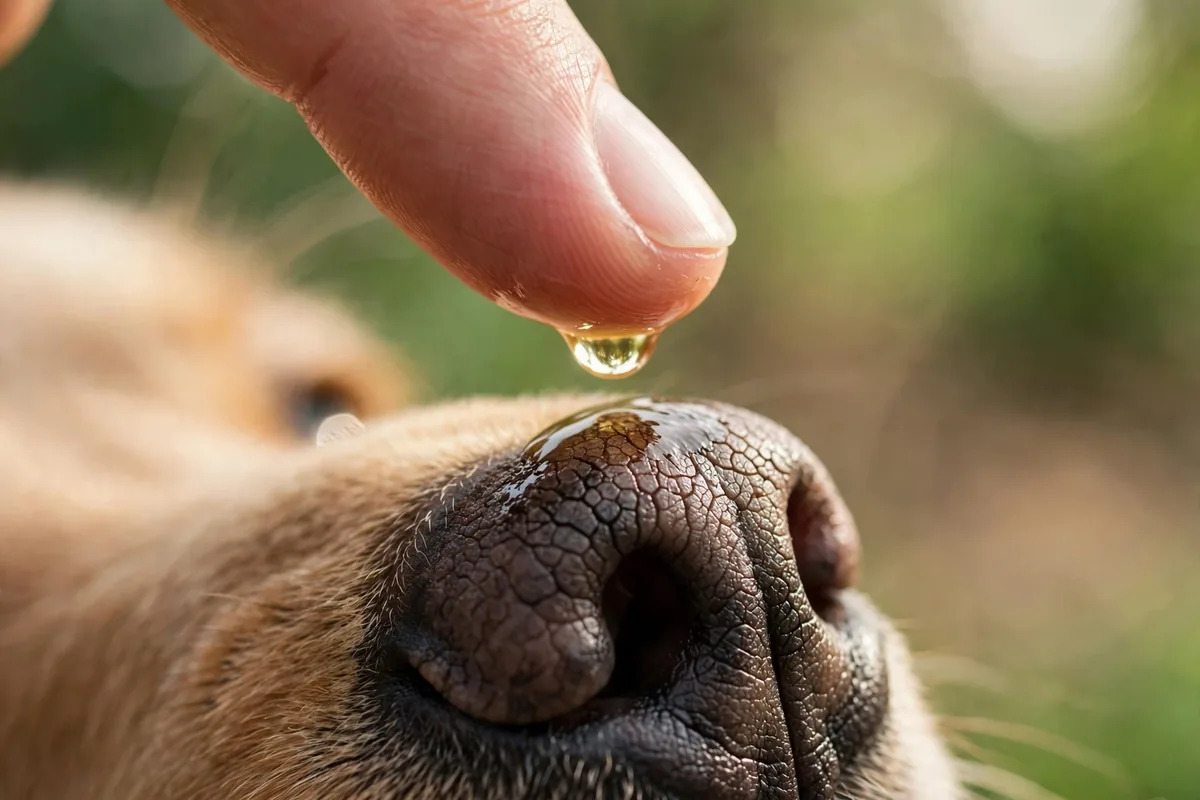
- Warm a small amount. Melt a pea-sized dab between your fingertips.
- Apply a thin layer. Smooth it over dry areas only, and keep it out of the nostrils.
- Distract for a few minutes. Use a short walk, a toy, or a calm training game.
- Repeat once or twice daily. Use it as needed in dry months, once the nose looks better.
- Patch test first. If redness, swelling, or itching grows, stop and contact your vet.
If your dog licks it off at once, do not scold your dog. Try a calmer moment, a shorter session, and praise for standing still. If your dog swallows a large amount and later has stomach upset, keep meals plain and calm, and see our guide to safe human foods for dogs with upset stomach.
What NOT to Do
- Human lotions. Do not use hand cream, face cream, or lip balm made for people.
- Petroleum products without vet advice. Do not use them as a routine fix without asking your vet.
- Picking at cracks. Do not peel crust or pick at sore skin, as this can cause bleeding.
- Scented oils. Do not use essential oils or scented products not made for pets.
- Products with xylitol. Always check labels, and never use a product that lists xylitol.
- Harsh scrubbing. Do not scrub the nose hard, and do not force your dog to stay still.
When you are unsure about a product, check with your vet first. A short check is safer than trying a new product on sore skin.
When a Dry Nose Needs Vet Attention
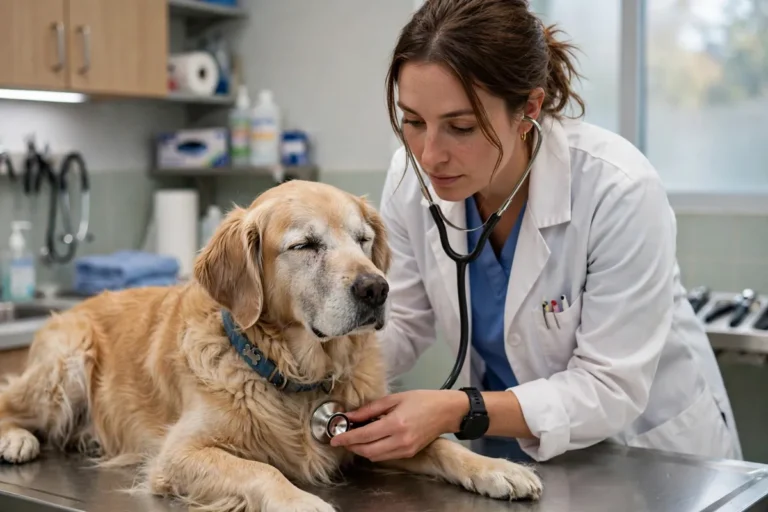
Book a vet visit promptly if you notice any of these signs. Do not wait to see if they settle on their own.
- Bleeding from the nose that does not stop quickly
- Sores or ulcers that will not heal
- Discharge, especially if colored or only on one side
- Swelling of the nose or muzzle
- Color change, such as new pink or white patches on a dark nose
- Sudden cracking with no clear weather or home cause
- Thick crust that keeps building up despite gentle care
- Lethargy, appetite loss, or pain alongside the dry nose
These signs can point to infection, autoimmune disease, sun damage, or another cause. Only a vet can diagnose the cause and choose the right treatment.
Preventing a Dry Nose
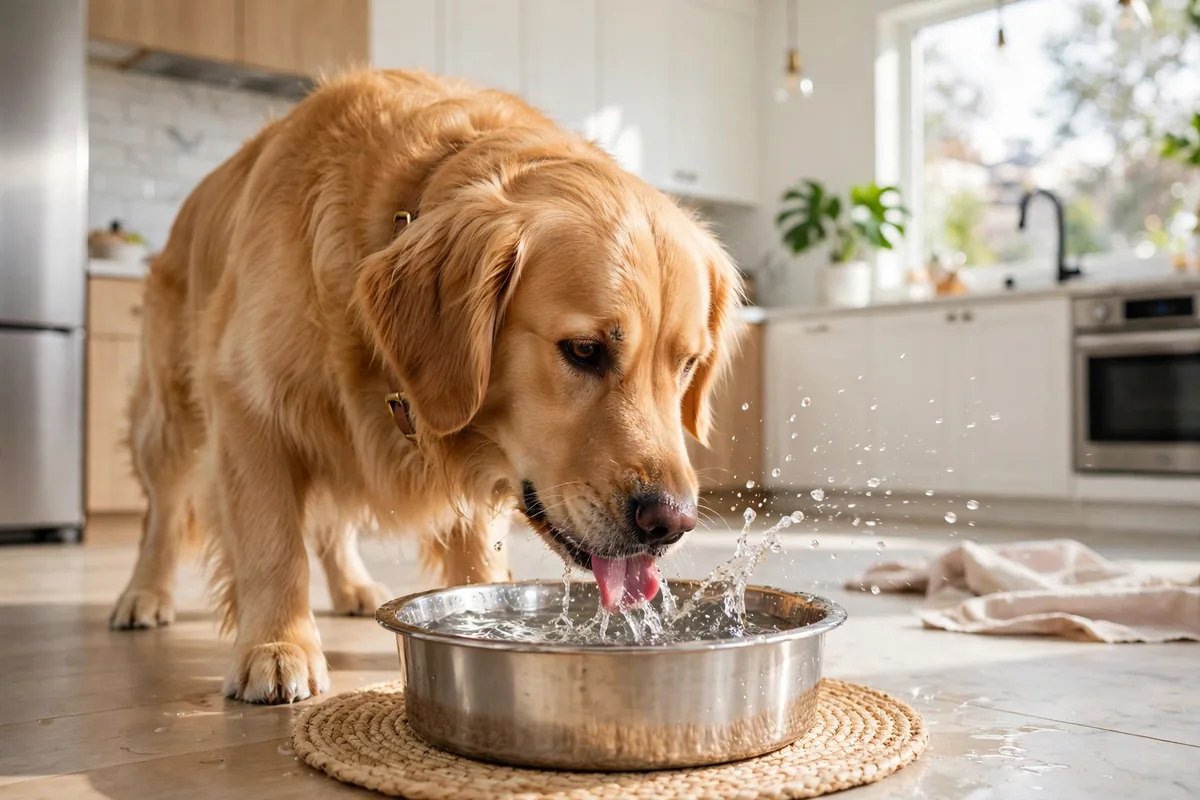
- Fresh water. Keep clean water available all day, and refill the bowl often.
- Humidify dry air. A humidifier near the sleeping area can help in heating season.
- Balm before exposure. Apply a thin layer before cold, wind, or strong sun.
- Sun care. Dogs with pink or light noses need pet-safe sun care on bright days.
- Steel bowls. If plastic seems to irritate the nose, try stainless steel bowls.
- Balanced diet. Feed a complete diet, and ask your vet before adding any supplement.
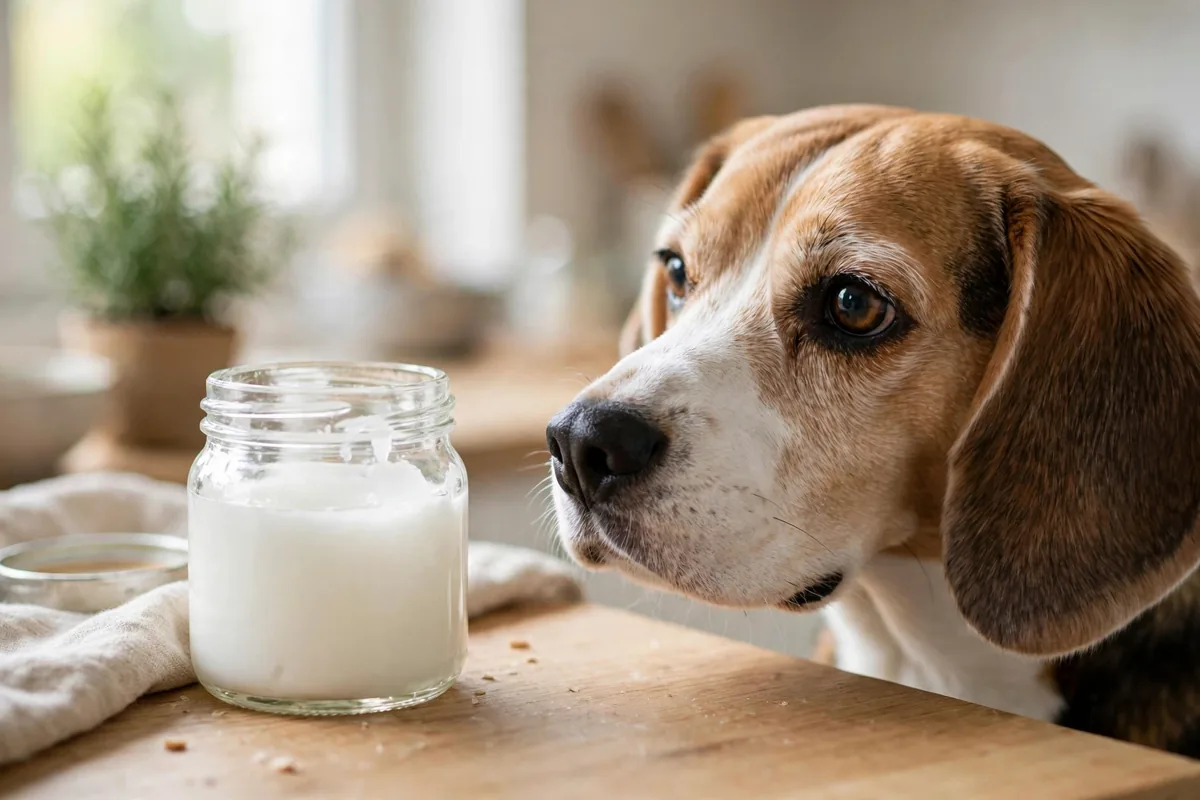
Check the nose during a calm moment each week. Look for new cracks, crust, or color change, and note what has changed at home.
Frequently Asked Questions
Will my dog get sick from licking coconut oil off its nose?
A thin layer is usually licked off in a small amount. A large amount can cause loose stool or stomach upset, so keep the layer thin and call your vet if vomiting or diarrhea lasts.
How long may it take for a dry cracked dog nose to look better?
For simple dryness, many owners notice softer skin after a few days of steady care. If there is no improvement, or the nose gets worse, ask your vet to check it.
Can I use olive oil instead of coconut oil on my dog’s nose?
Yes, olive oil can add light moisture for mild dryness. Coconut oil tends to stay in place a little longer, but olive oil is a fine plain option.
Why is my dog’s nose dry and cracked only in winter?
Winter pairs cold outdoor air with dry heated indoor air. Regular moisture, fresh water, and a humidifier often help, but severe cracking still deserves a vet check.
Is a warm, dry nose a sign of fever?
Not reliably. Nose warmth and moisture change through the day in healthy dogs. A vet check is the safe way to assess fever or illness.
Can I put Vaseline on my dog’s nose?
Do not use petroleum products as a routine fix without vet advice. A plain natural moisturizer or a pet nose balm is usually a better first choice.
The Bottom Line
With gentle care, a dry cracked dog nose caused by dry air often feels softer with steady, thin applications. Keep sessions calm, watch for warning signs, and let your vet check sudden or lasting changes. For more seasonal grooming help, see our guide to husky excessive shedding in spring.
Reference
American Kennel Club, Why Is My Dog’s Nose Dry?
This article is for general information only and is not veterinary advice. If your dog shows warning signs, or the nose does not improve with gentle care, please see your veterinarian.
Still stuck? Get a plan built for your dog.
Answer a few quick questions and get a personalized, force-free training plan in minutes.