Natural Pain Relief for Old Dogs With Arthritis
Watching an old dog struggle to stand up is hard to see. Many owners searching for natural pain relief for old dogs with arthritis want to help without reaching for strong drugs right away.
The good news is that gentle, natural steps can ease daily discomfort. The honest news is that natural does not mean instead of your vet.
Note: This article is for information only and is not veterinary advice. Never give your dog human painkillers, and discuss every supplement or therapy with your veterinarian first.
Direct Answer: Natural Pain Relief for Old Dogs With Arthritis
Natural pain relief for old dogs with arthritis works best as a system, not a single product. Start with a vet check, then combine weight control, gentle movement, joint-supporting food, and a kinder home.
Natural measures support vet care. They do not replace a diagnosis, and they do not cure arthritis. Used together, small changes can make rising, walking, and resting easier.
Key Takeaways
- Arthritis in senior dogs is managed, not cured. The best results come from combining several small improvements.
- Weight control often helps more than any single supplement, especially for dogs carrying extra weight.
- Supplements have supportive but mixed evidence. Treat them as helpers, not fixes, and buy only products made for dogs.
- Never give ibuprofen, acetaminophen, or aspirin to dogs. Human painkillers can be toxic.
- Natural strategies complement vet care, including vet-prescribed pain medicine when needed. They do not replace diagnosis.
What Arthritis Does to an Old Dog
Arthritis is wear and inflammation in a joint. The smooth cartilage that cushions the joint thins over time, so movement can become stiff and sore.
Age is the most common background factor. Old injuries, extra weight, and a lifetime of hard use can also add strain to joints.
Pain often feels worse after rest. Many dogs are stiff first thing in the morning or after a long nap, then loosen up a little as they move.
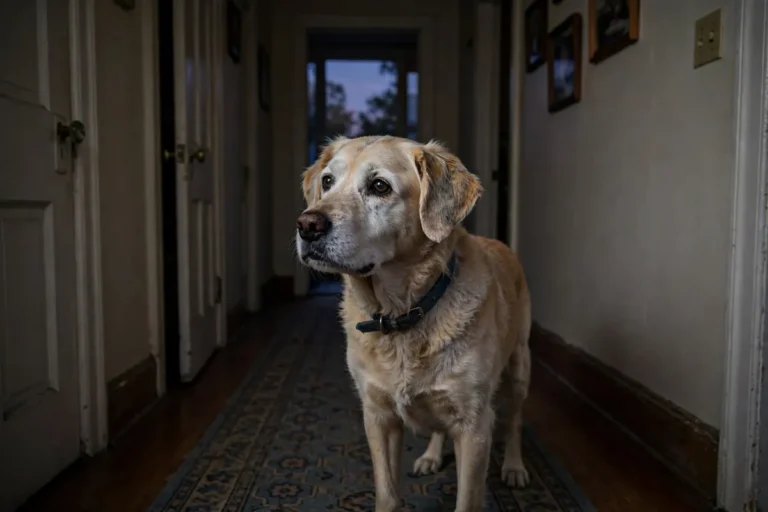
Some dogs change their behavior when they hurt. They may walk less, avoid stairs, or seem less keen to play. These changes are worth noting for your vet.
Signs That May Point to Arthritis Pain
- Slow rising, stiffness after rest, or limping after walks.
- Reluctance to walk, climb stairs, jump, or play.
- Lagging behind on walks, or lying down during a walk.
- Yelping, flinching, or pulling away when a joint is touched.
- Restlessness at night, trouble settling, or pacing in the house.
- Less interest in food, play, or greeting people.
If your dog paces at night, pain is only one possible cause. Read the guide on senior dogs pacing at night to compare other causes, then share what you see with your vet.
First Step: Get a Vet Check
Before trying any remedy, confirm what you are treating. Stiffness in an old dog is often arthritis, but it can also come from injury, infection, or another health problem.
Your vet will examine your dog and may use X-rays. Ask about weight, movement, sleep, and any new behavior. Bring a short note about good days and bad days.
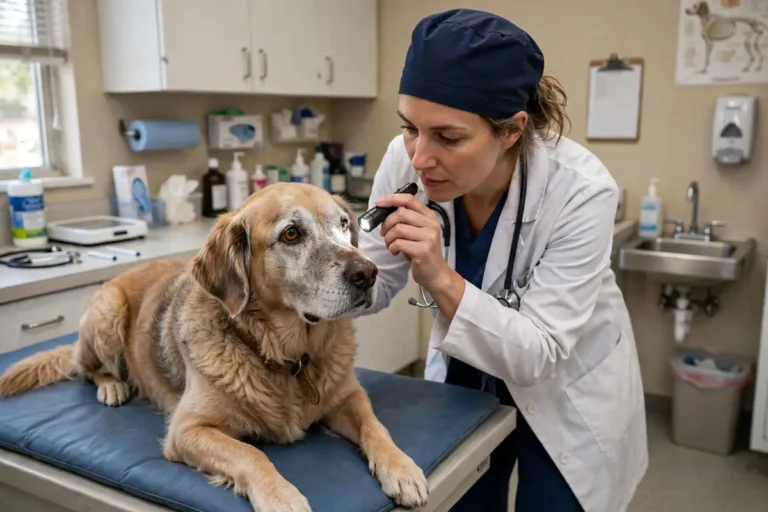
A vet plan may include vet-prescribed pain medicine. That is not a failure of a natural approach. The goal is a comfortable dog, and many dogs need both medical care and lifestyle help.
A Step-by-Step Plan You Can Follow
Use the steps below in order. Change one thing at a time when you can, so you can see what helps your dog most.
Step 1: Work on Weight With Your Vet
For natural pain relief for old dogs with arthritis, weight control is a strong place to start. Extra weight adds load to joints that are already sore.
Ask your vet for a target weight and a measured daily food portion. Cut treats back, and use low-calorie options such as carrot pieces if your vet agrees.
Weigh your dog regularly and aim for slow, steady change. Losing weight too fast can reduce muscle, and muscle helps support sore joints.
Step 2: Keep Movement Gentle and Regular
It can feel wrong to exercise a sore dog. Yet controlled movement keeps joints moving, preserves muscle, and can ease stiffness.
- Short and frequent beats long and occasional. Two or three gentle short walks are kinder than one long hike.
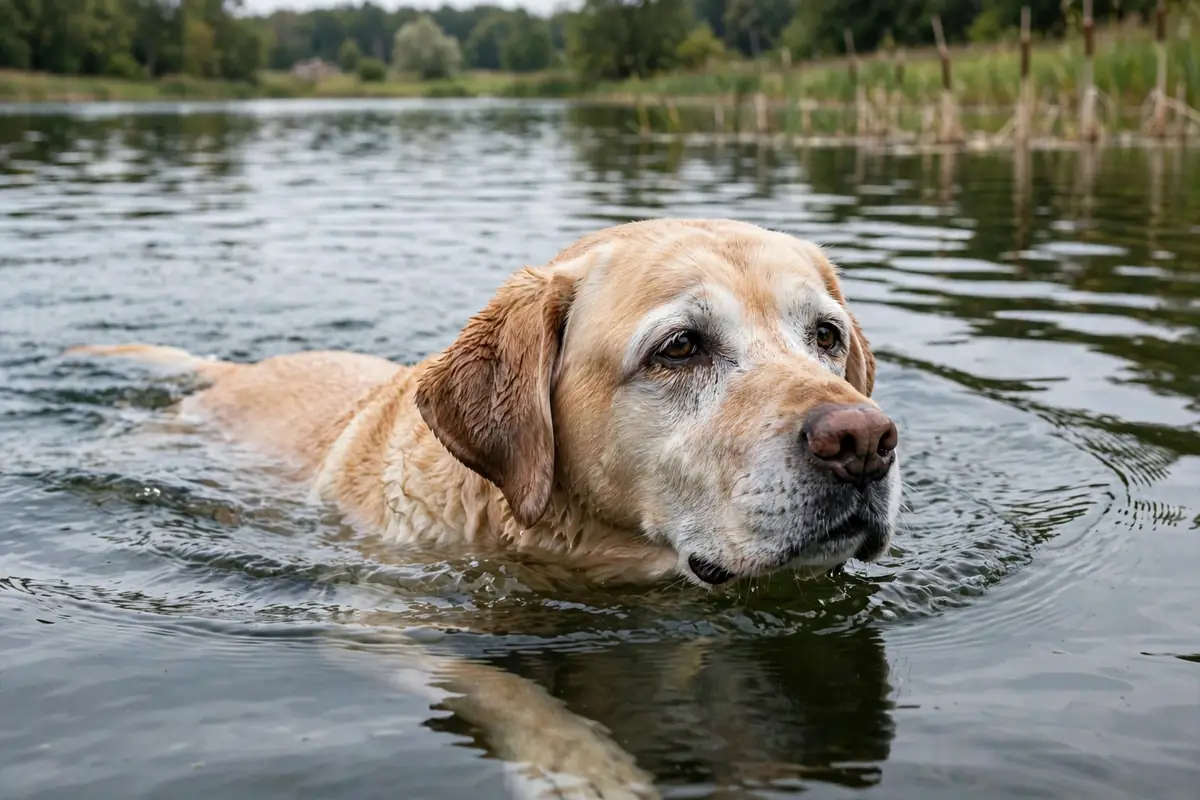
- Swimming and hydrotherapy can help. Water supports body weight while joints move freely. Ask a vet rehab center about supervised sessions.
- Avoid high-impact activity. Skip jumping for balls, sprinting on hard ground, and long stair climbs.
- Warm up and cool down. Start walks slowly and end the same way. Cold, damp weather can stiffen sore dogs, so keep walks shorter then.
If your dog is worse the next morning, the session was too much. Shorten the next walk and tell your vet if the pattern repeats.
Step 3: Feed for Joints, Then Consider Supplements
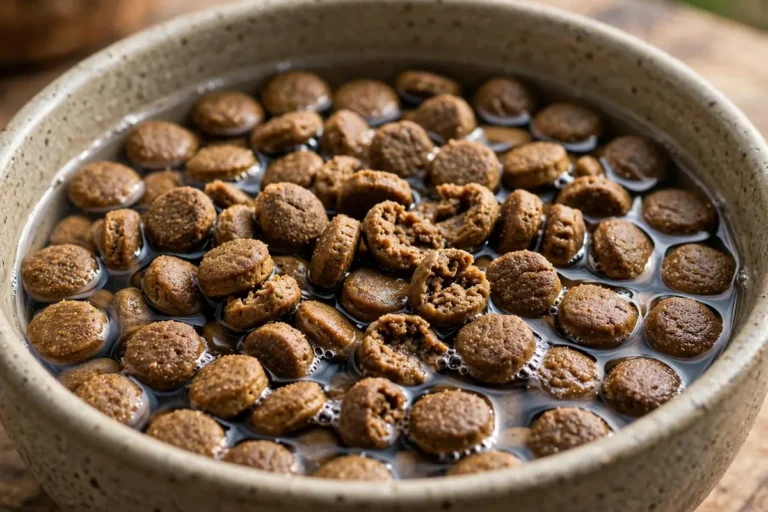
Feed a complete diet made for your dog’s age and size. Ask your vet if a joint-supporting diet suits your dog, and keep portions measured.
Supplements are not a substitute for weight control or movement. Some may help some dogs, and evidence varies by product and by dog.
| Option | How it may help | Ask your vet about |
|---|---|---|
| Omega-3 fatty acids from fish oil | May ease joint inflammation | Dog-made products and safe use |
| Glucosamine and chondroitin | May support cartilage and comfort | Quality, dose, and other medicines |
| Green-lipped mussel | A natural source of omega-3s and joint compounds | Whether it suits your dog |
| Turmeric | Often discussed for inflammation, but dog evidence is limited | Interactions and stomach upset |
| CBD or hemp products | Popular, but dog evidence is still limited | Quality, safety, and other medicines |
Skip herbal blends with vague ingredient lists. Skip human joint supplements too, because dosing and additives differ for dogs.
Step 4: Make Home Kinder on Joints
Your dog spends most of the day at home, so the home is part of the plan. Small changes can reduce daily strain.
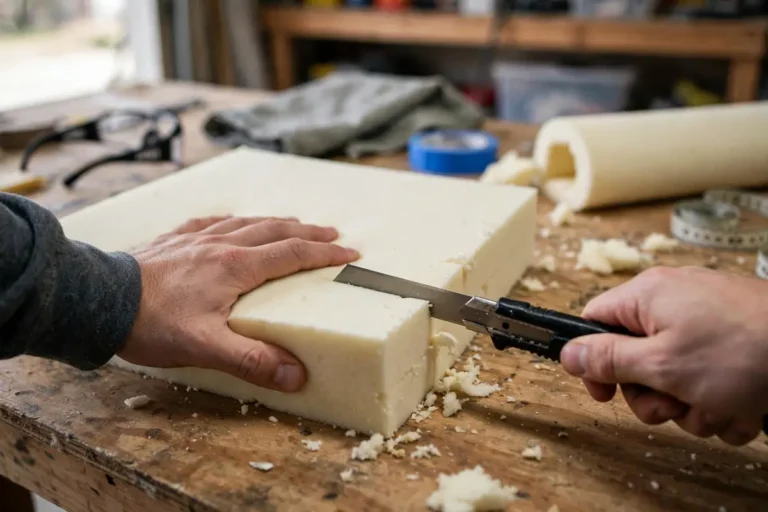
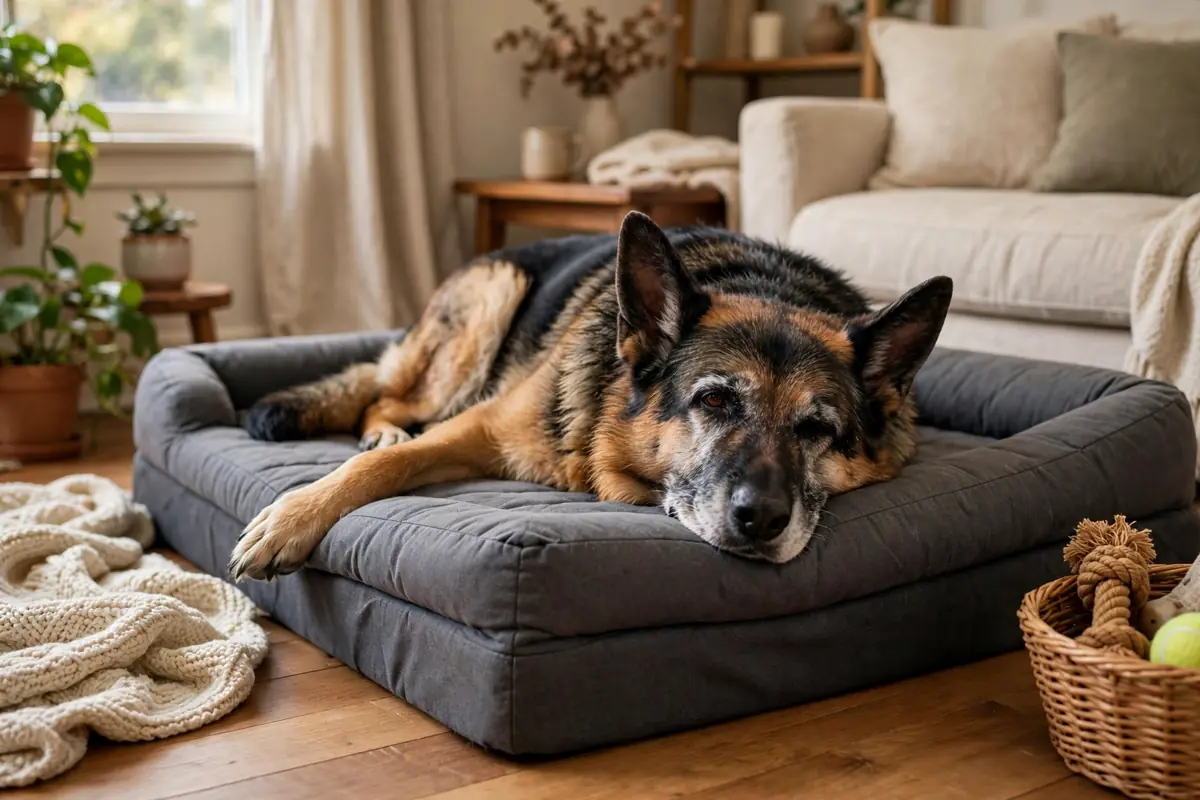
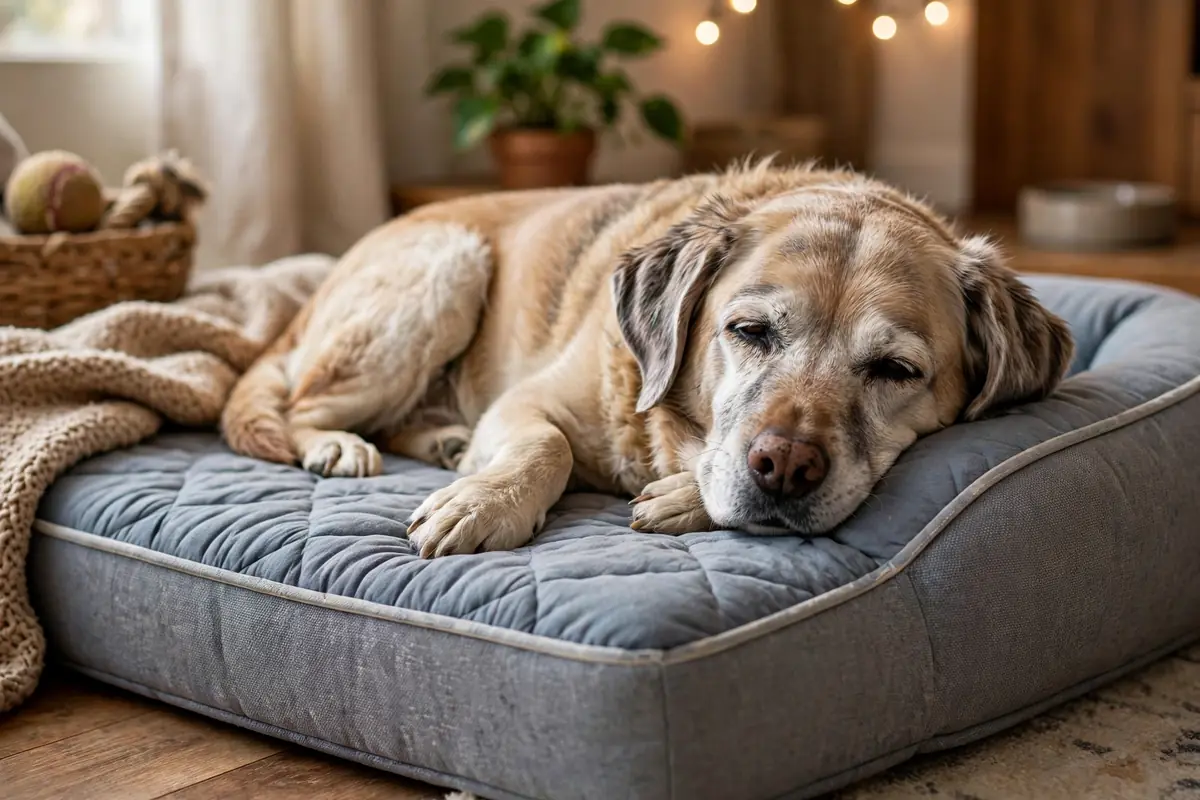
- Orthopedic bed. A thick memory-foam bed that does not bottom out cushions pressure points. See how to make a comfortable orthopedic bed for old dogs.
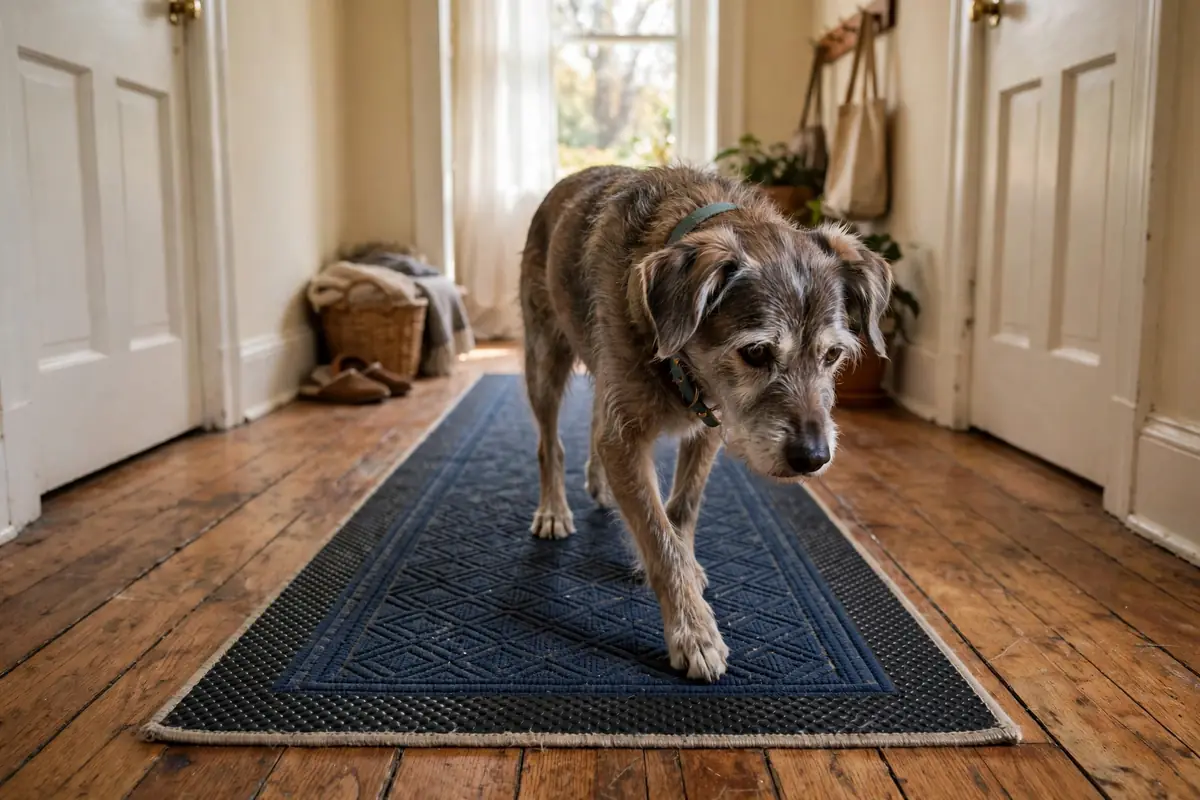
- Non-slip surfaces. Put rugs or mats on slippery floors, especially along paths your dog uses most. For traction ideas, see the guide on help for a dog afraid of slippery floors.
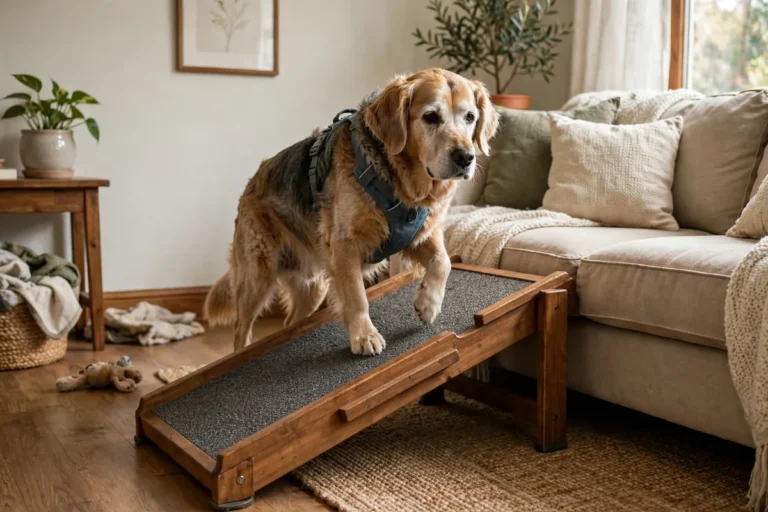
- Ramps instead of stairs. A gentle ramp to the couch, bed, or car removes daily joint impacts. Avoid steep or narrow ramps.
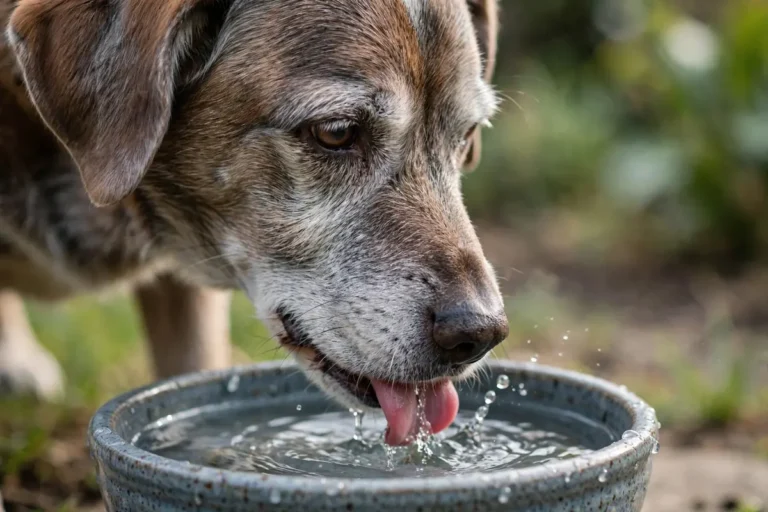
- Raised food and water bowls. Less bending means less neck and shoulder strain.
- Keep nails trimmed. Long nails change how the foot lands and add joint stress with every step.
Step 5: Try Gentle Therapies With Vet Guidance
Veterinary physiotherapy is often underused for arthritic dogs. A rehab vet can design targeted exercises for strength and flexibility.
Gentle massage at home can relax tight muscles around sore joints. Use slow, gentle strokes, and stop if your dog flinches or moves away.
Heat can soothe stiff joints, especially on cold mornings. Use a warm, not hot, towel or a pet-safe heat pad, and never leave it on unsupervised.
Acupuncture by a trained veterinary acupuncturist helps some arthritic dogs. Evidence is moderate, so ask your vet whether it is worth trying.
What NOT to Do
- Human painkillers. Ibuprofen and naproxen can cause stomach ulcers and kidney harm in dogs. Acetaminophen can damage the liver.
- Miracle cure claims. Avoid any product that claims to reverse arthritis, regrow cartilage in days, or work for every dog.
- Forcing exercise through pain. Pushing a limping dog to walk it off causes harm. Pain is information, not laziness.
- Ignoring sudden worsening. A dog that is suddenly much worse, will not bear weight on a leg, or cries out needs prompt vet care.
- Punishment or harsh handling. Never scold a dog for moving slowly, and never use shock collars or prong collars. Reward calm, easy movement instead.
Red Flags: When to Get Vet Help Quickly
Book a vet visit for new, regular, or worsening stiffness. Get help quickly if you see any sign below.
- Sudden loss of mobility, or a leg that will not bear weight.
- Crying out, yelping when touched, swelling, or a hot, painful joint.
- Sudden behavior change, such as snapping, hiding, or refusing food and water.
- Vomiting, diarrhea, blood in urine or stool, or clear distress after starting a supplement.
- Stiffness that keeps getting worse, weight loss, or repeated accidents.
Ask for a referral to a certified behavior professional if fear or anxiety stays strong after medical causes are checked. Bring your notes, a list of foods and supplements, and questions to the visit.
Frequently Asked Questions
What is the best natural pain relief for dogs with arthritis?
No single remedy stands above the rest. Weight control, gentle movement, a supportive home, and vet guidance together tend to help most.
Start with a vet check, then build a steady routine. Track what changes, and adjust the plan with your vet.
Can I give my arthritic dog turmeric or golden paste?
Turmeric is widely discussed, but evidence in dogs is limited. It can also upset the stomach and interact with other medicines.
Ask your vet before you try it. Use only a product made for dogs, and stop if your dog becomes unwell.
Are joint supplements safe for senior dogs?
Glucosamine, chondroitin, omega-3s, and green-lipped mussel are generally used in dogs, but safe use depends on the dog and other medicines.
Ask your vet about quality and use. Tell your vet about every supplement, even if it is sold as natural.
How do I know if my old dog is in pain from arthritis?
Common signs include slow rising, stiffness after rest, reluctance to walk or climb stairs, and limping.
Watch for smaller changes too, such as less play, restless nights, or pulling away when touched. A vet exam can confirm the cause.
Should I still walk my arthritic dog every day?
Usually yes, with changes. Short, gentle, regular walks help maintain muscle and joint flexibility.
Keep walks calm and flat where you can. Shorten the walk on bad days, and rest if your dog limps or lags.
When is it time to consider stronger pain medicine?
When natural steps and lifestyle changes no longer keep your dog comfortable, mobile, and enjoying daily life, talk to your vet.
Stronger vet-prescribed medicine is not a failure. It is part of a layered plan when comfort needs more support.
Natural pain relief for old dogs with arthritis works best as a steady system, not a single product. Control weight, keep movement gentle, make home kinder, and keep your vet involved.
Reference
Reference: American Kennel Club, Osteoarthritis in Dogs: Signs, Symptoms, Treatments
Still stuck? Get a plan built for your dog.
Answer a few quick questions and get a personalized, force-free training plan in minutes.