Small Golden Retriever: Mini Golden Size, Price and Buying Guide
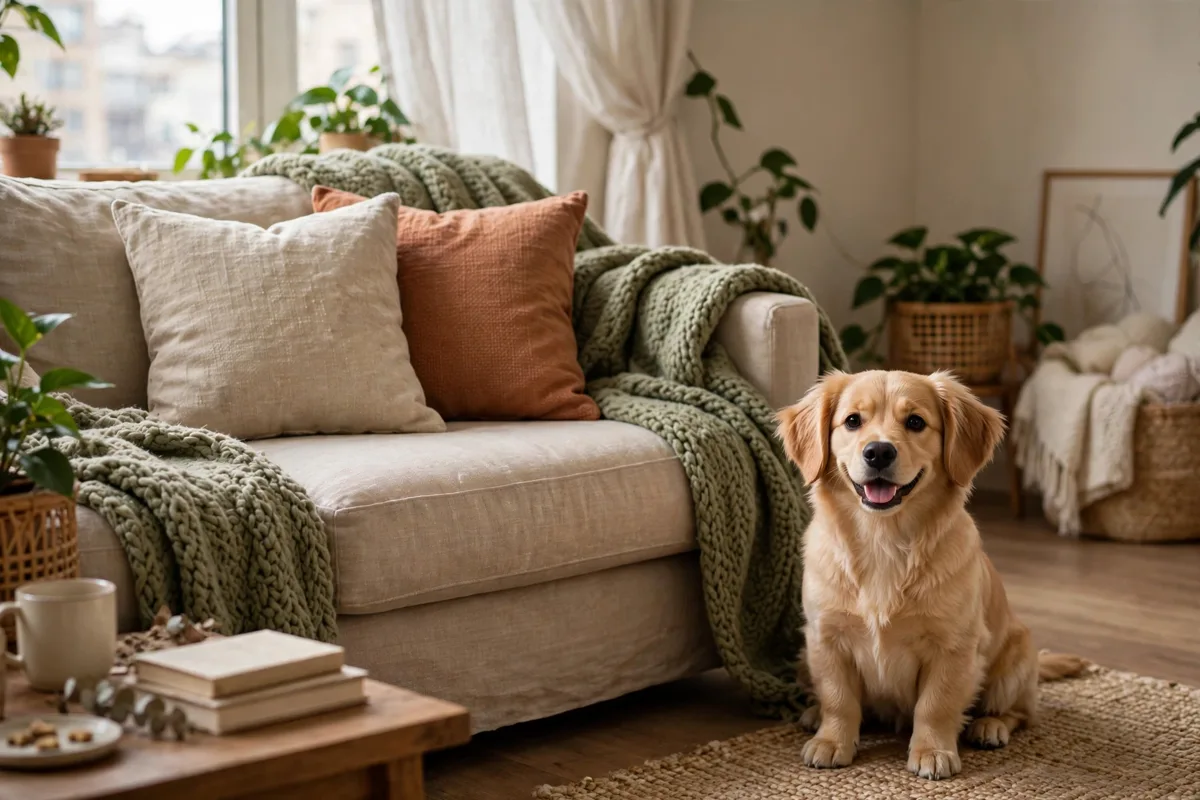
If you love Golden Retrievers but need a smaller dog, a small golden retriever may sound like the perfect answer.
This guide gives the honest picture first. It explains what the label usually means, how smaller Goldens come about, and what to ask before you choose one.
It does not promise a set adult size. No honest guide can do that, because these dogs are not a single standardized breed.
Small Golden Retriever: The Direct Answer
A small golden retriever is not a separate breed recognized by the American Kennel Club.
In most cases, the label describes a smaller Golden, a Golden mix, or a dog sold as a mini Golden.
Adult size, coat, and temperament can vary a lot. That variation is normal for a mix, and it is why written health information and parent details matter more than a sales label.
Key Takeaways
- A small golden retriever is not a separate AKC-recognized breed.
- Smaller Goldens can come from smaller parents, mixed breeding, or, rarely, a growth condition.
- Never choose on a size promise alone.
- Ask for health information, meet the parents when you can, and ask a vet about health questions.
- Use positive reinforcement only, and get prompt vet help for pain or sudden change.
What a Small Golden Actually Is
Mini Golden is a sales and breeder label, not a breed name. It tells you about the aim, which is a smaller Golden-type dog, not about a fixed breed standard.
Some dogs called minis are Goldens from smaller parents. Others are Golden mixes with a smaller breed, such as a spaniel or a poodle type.
A few very small Goldens may have a growth condition, such as dwarfism. That is rare, and it is a health matter for a vet to assess, not a size to shop for.
Because the label covers different dogs, two dogs sold as minis may look and behave quite differently as adults.
How Smaller Goldens Come About
There is no single route to a smaller Golden. The table below sums up the main routes in general terms.

| Route | What it can mean | Question to ask |
|---|---|---|
| Smaller Golden parents | A puppy may stay on the smaller side, but size is still not promised. | What size were the parents as adults? |
| Golden mixed with a smaller breed | Coat, size, and temperament may lean toward either parent. | Which breeds were used, and what do adult dogs from earlier litters look like? |
| Rare growth condition | A much smaller dog may need vet assessment and ongoing care. | Has a vet assessed the puppy, and what care may it need? |
Do not accept a size claim without details. Ask which route applies, and ask for that answer in writing.
Temperament and Everyday Care
Many of these dogs keep the friendly, people-focused Golden character. They often enjoy company, play, and training games.
They still need daily exercise, play, and mental work. A smaller body does not mean a low-energy dog.

Train with rewards, praise, and short, fun sessions. Positive reinforcement builds trust, and it works far better than fear or force.
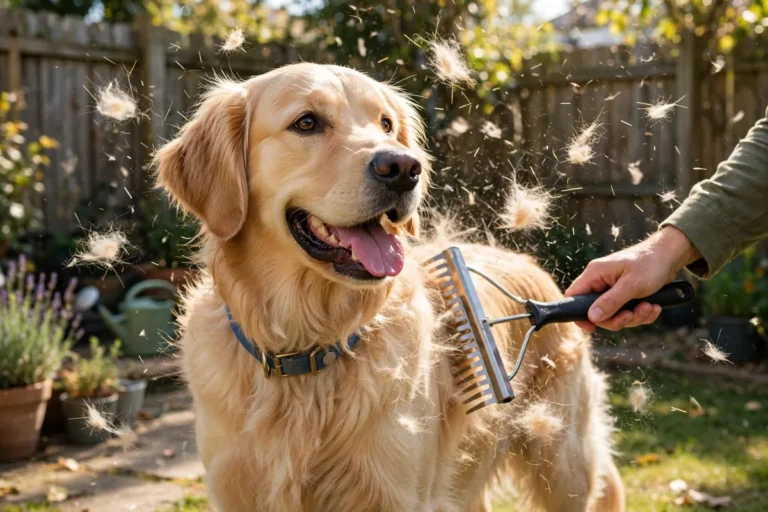
Coat care varies with the mix. Some coats shed a lot, and some need more brushing, so ask what coat care adult dogs from the same mix usually need.
Plan for a long commitment, with food, grooming, training, and vet care. A smaller dog still has full-sized daily needs.
What to Watch for When Choosing One
When you meet a small golden retriever puppy, look at the whole picture, not just size.
Ask about the parents, the mix, and any known health issues in the lines. A careful seller welcomes clear questions and gives clear answers.
- What health checks have the parents had, and can you see the records?
- Can you meet the mother, and see where puppies are raised?
- What health questions should a new owner ask a vet at the first visit?
- What support is offered if a health problem appears?
Walk away from a seller who cannot name the mix, will not show health information, or pressures you to decide at once.
For health questions, ask your vet. A vet can explain what checks matter for that dog, and what signs to watch for as it grows.
When to Ask a Vet
Ask a vet promptly for pain, limping, sudden behavior change, aggression, or a big change in eating, drinking, or energy.
These signs can have many causes, and only a vet can assess them. Do not guess, and do not wait if a sign is severe or sudden.
For aggression, fear, or a sudden change in behavior, ask a vet or a qualified behavior professional for help.
If your dog cries or whines often, our guide to why a dog may be crying explains common reasons to check first.
Sudden tiredness, appetite loss, or stomach upset can also have many causes. For one condition that can be hard to spot, see our guide to Addison’s disease in dogs.
For scooting, rear licking, or a fishy smell, see our guide to the anal glands of dogs and ask your vet about next steps.
What NOT to Do
- Never buy on a size promise alone.
- Never trust an invented price or size claim.
- Never buy sight unseen, or from a seller who hides the mix or health records.
- Never punish fear, crying, or pain, and never use shock or prong collars.
- Never ignore pain, sudden change, or aggression. Ask a vet first.
Dogs That Can Look Similar
If a predictable size matters most, a smaller purebred may suit you better. Ask a vet or a breed club about breeds that fit your home and lifestyle.
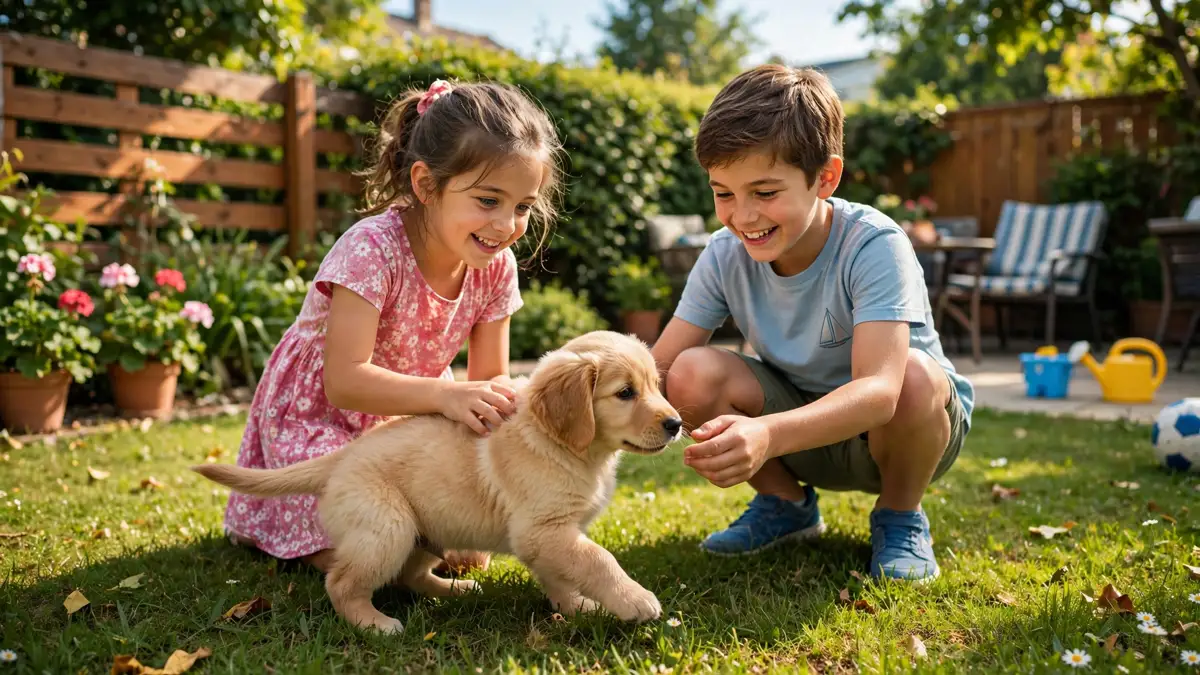
Some families also consider a Golden mix from rescue. With an adult rescue dog, final size is already known, which removes much of the guesswork.
Do not choose a look-alike only for its looks. Temperament, energy, coat care, and health needs matter just as much.
Frequently Asked Questions
Is a mini Golden a real breed?
No. A small golden retriever in this guide is a label, not a separate breed. It usually means a smaller Golden or a Golden mix.
Why are some Goldens smaller than others?
Some come from smaller parents, and some are mixes with a smaller breed. In rare cases, a growth condition can also affect size, and a vet should assess that dog.
Can an adult size be promised?
No. Size can vary with the mix and the parents. Treat any exact adult size promise as a warning sign, not a guarantee.
Do these dogs shed?
Shedding varies with the mix. Many shed like a Golden, while some coats shed less, so ask about coat care for that specific mix.
Are they good for a smaller home?
They can suit a smaller home if they still get daily exercise, play, training, and company. Space alone does not meet a dog’s needs.
What should I ask before choosing one?
Ask about the mix, the parents, health records, and vet care. Also ask what support you get if a health problem appears later.
The Bottom Line
A small golden retriever can be a joyful companion, but only when you choose with clear eyes.
Know the mix, see the health records, meet the parents when you can, and never buy on a size promise alone.
Ask a vet about health questions, use positive reinforcement only, and give your dog time, training, and care.
Reference
American Kennel Club, Golden Retriever Dog Breed Information.
Still stuck? Get a plan built for your dog.
Answer a few quick questions and get a personalized, force-free training plan in minutes.
Try the Free Dog Tools