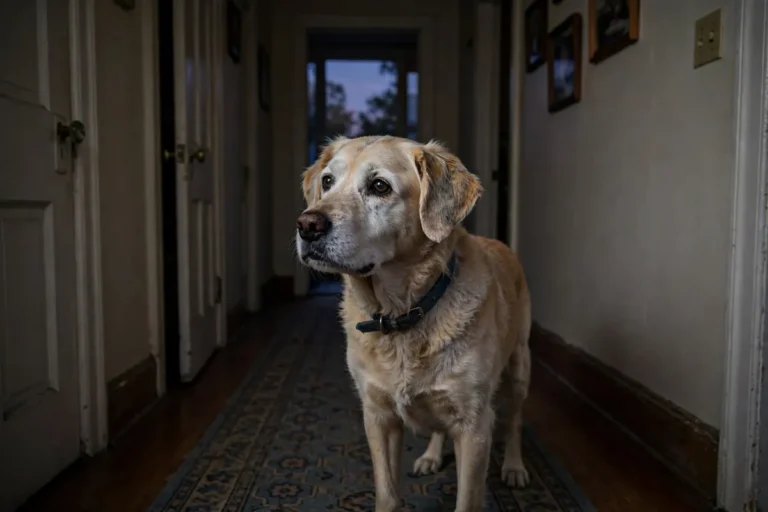
Why Is My Senior Dog Panting Heavily at Night?
Hearing your old friend pant hard in the dark is unsettling. Panting is normal after a walk or on a warm day, but why is my senior dog panting heavily at night when the house is cool and everyone is resting?
In older dogs, heavy panting at rest is rarely just panting. It is often the body responding to pain, breathing difficulty, anxiety, or a medical problem that needs attention.
This guide explains the common causes, the red flags that mean call your vet now, and the calm steps you can take tonight.
Key Takeaways
- Heavy panting in a resting senior dog is worth investigating. It is not simply normal aging.
- Common causes include heart disease, arthritis pain, breathing problems, canine cognitive dysfunction, Cushing’s disease, medicine side effects, and anxiety.
- Get prompt vet care for fast resting breathing, blue or gray gums, coughing, collapse, refusal to lie down, or sudden onset.
- Count your dog’s resting breathing rate while they sleep. That number is very useful for your vet.
- Never give human painkillers. Many are toxic to dogs, so ask your vet first.
- This article is general information, not veterinary advice. New or worsening panting deserves a veterinary exam.
Senior Dog Panting Heavily at Night: The Direct Answer
In short, senior dog panting heavily at night in a resting, cool house is not something to ignore. Book a vet visit soon, even if your dog seems better in the morning.
Start by checking for red flags, then count the resting breathing rate and note the pattern. That simple record helps your vet narrow down pain, breathing problems, and confusion much faster.
First: Is This an Emergency?
Check these signs before you read further. Contact your vet promptly, or go to an emergency clinic, if your dog shows any of them with the panting.
- Breathing faster than 30 breaths per minute while resting or sleeping. Count chest rises for 15 seconds and multiply by 4.
- Blue, gray, or very pale gums or tongue.
- Coughing, especially a soft wet cough, or gagging.
- Refusing to lie down, or standing with elbows out and neck stretched.
- Collapse, fainting, or extreme weakness.
- Sudden panting in a dog that never did this before.
- Panting with a swollen belly.
If none of these are present, the panting still deserves a vet appointment soon. You can work through the likely causes below while you wait.
What Normal Panting Looks Like, and What Does Not
Normal panting is short and has a clear trigger, such as heat, excitement, or exercise. It settles as your dog cools down and rests.
Concerning panting is heavy, long lasting, or happens at rest in a cool room. It may come with restlessness, pacing, coughing, or trouble settling.
Dreaming can also look like panting for a few seconds, with twitching paws or whiskers. That is different from heavy, continuous panting while your dog is awake and restless.
| Pattern | What it may suggest | First step |
|---|---|---|
| Soft cough after rest, tires easily | Heart or lung problem | Book a vet visit soon |
| Stiffness, slow rising, shifting position | Pain, often arthritis | Note stiffness and ask your vet about pain care |
| Confusion, staring, getting stuck | Cognitive change | Keep lights and routine steady, then book a vet visit |
| Harsh, raspy breathing sound | Airway problem | Keep your dog cool and calm, and seek vet care promptly |
| More drinking and urinating | Hormonal or kidney problem | Note intake and tell your vet |
Common Causes
When senior dog panting heavily at night keeps happening, one cause is rarely the whole story. Look for the pattern across the night, not just one episode.
1. Heart disease
Heart disease is a common medical reason for nighttime panting in seniors. As the heart pumps less well, fluid can build up in the lungs.
Lying flat can make breathing harder, which is why signs often show up at night. Your dog may cough softly after resting, tire easily, or prefer to stand rather than lie down.
Only a vet can diagnose heart disease, usually with an exam, chest x-rays, and sometimes a heart ultrasound. Many dogs breathe easier once a vet plan is in place, so do not wait weeks if this pattern fits.
2. Pain, especially arthritis
Pain is an overlooked reason for nighttime panting. Arthritis, spinal pain, and dental pain can feel worse at night, when the house is quiet and there is little to distract from it.
The classic pattern is panting while trying to settle, shifting position again and again, and moving stiffly after rest. Gentle warmth and a supportive bed may help comfort, but they do not treat the cause.
For vet-guided ideas to discuss, read our guide to natural pain relief for old dogs with arthritis. Ask your vet about pain care, and never give ibuprofen, acetaminophen, or aspirin without veterinary direction.
3. Canine cognitive dysfunction and sundowning
Older dogs can develop canine cognitive dysfunction, the dog term for dementia. One pattern is sundowning, when confusion, anxiety, pacing, and panting worsen in the evening.
The pattern looks more like worry than illness. Your dog may pace, stare at walls, get stuck in corners, vocalize, or seem lost in a familiar home.
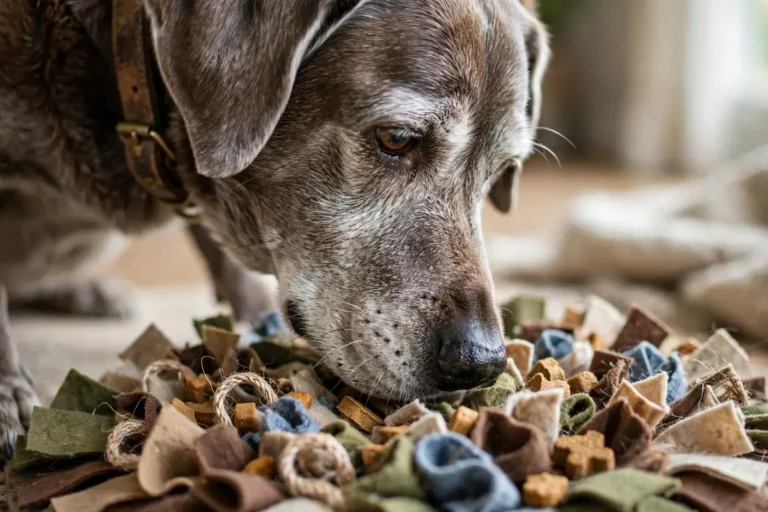
If this sounds familiar, read our guide to sundowning symptoms in senior dogs. Steady light, a fixed routine, and calm enrichment can help, and your vet may discuss prescription options.
4. Laryngeal paralysis
Laryngeal paralysis is more common in older large breeds, such as Labradors, Golden Retrievers, and Huskies. The voice box does not open fully during breathing, so air flow is partly blocked.
The signature sign is harsh, raspy, noisy panting that worsens with excitement, heat, or exercise. Some dogs panic when breathing feels hard, which makes the panting worse.
This can become an emergency if the airway narrows further. Diagnosis is made by a vet examining the larynx, and severe cases may need surgery, so this is not a wait and see problem.
5. Cushing’s disease
Dogs with Cushing’s disease have an overactive adrenal system, often linked to a pituitary problem. Heavy panting is a common sign, along with more thirst, more urination, a pot-bellied shape, thinning hair, and more appetite.
Cushing’s is diagnosed with blood tests and sometimes specialized tests. Treatment is prescribed and monitored by a vet, so mention the full cluster of signs when you call.
6. Breathing problems, heat, and other illness
Lung disease, anemia, kidney disease, liver disease, and hormonal problems can all cause restlessness that surfaces at night. Anemia reduces oxygen delivery, so panting may come with weakness.
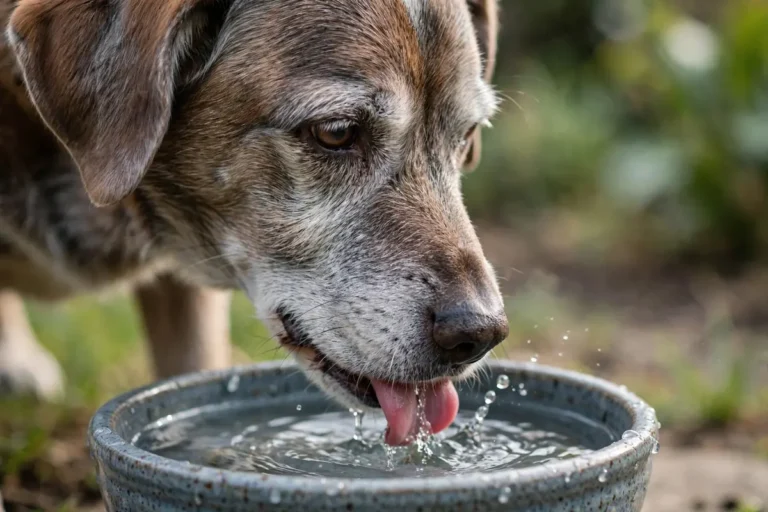
Heat is still worth ruling out first. Check that the room is cool, the bedding is not too warm, and your dog has fresh water nearby.
If panting started soon after a new medicine, call the prescribing vet. Do not stop a prescribed medicine on your own, and tell your vet about every medicine and supplement.
What to Do Tonight: A 6-Step Plan
Use these steps in order while you wait for the vet appointment. Stay calm, and reward quiet settling with a soft word.
- Count the resting breathing rate. Watch your sleeping dog’s chest rise and fall. Count for 15 seconds, multiply by 4, and write it down with the date.
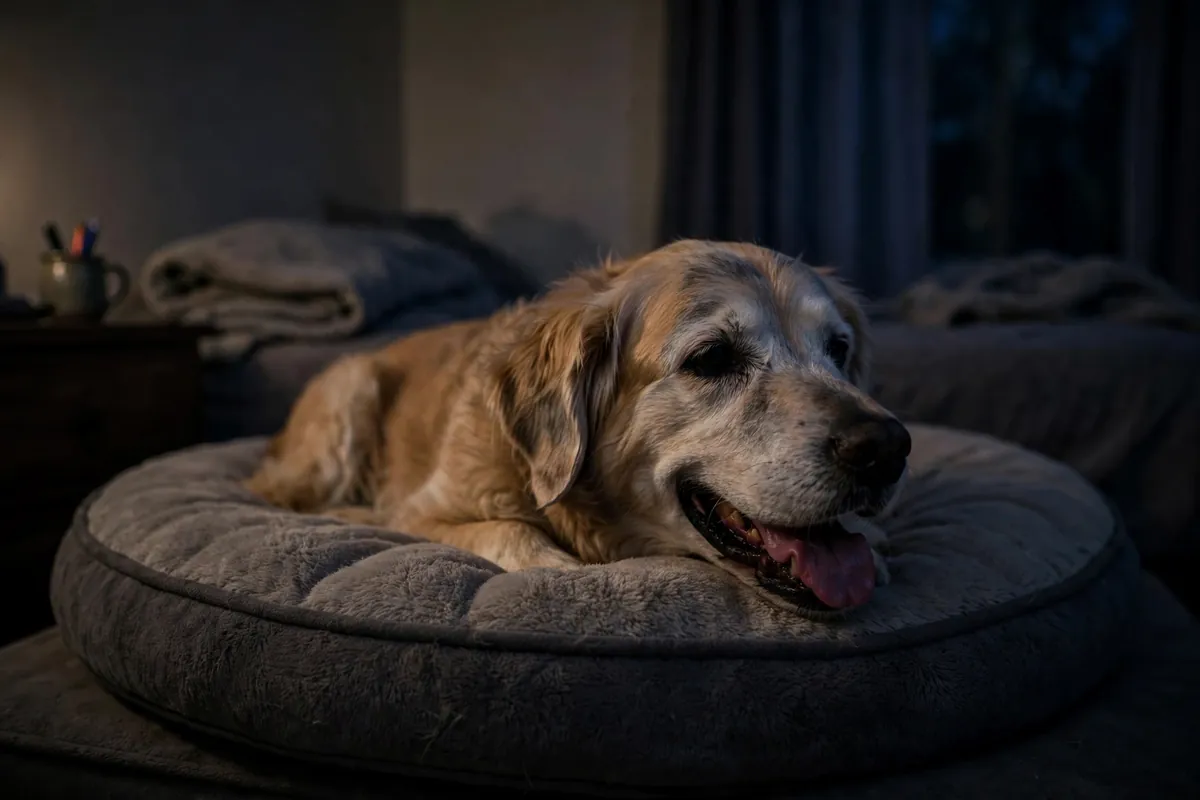
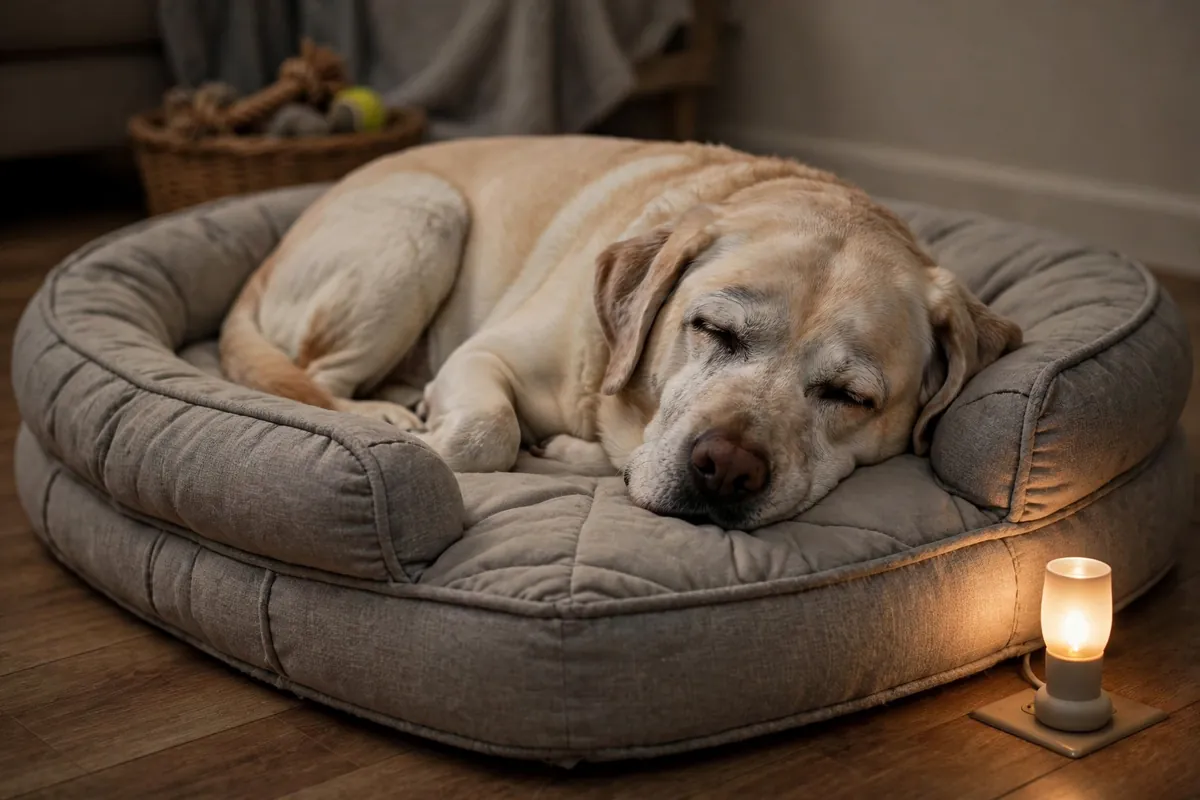
- Cool and calm the room. Keep the sleeping area cool, quiet, and dimly lit with a nightlight, rather than pitch dark.
- Offer water, then note intake. Do not restrict water, but note heavy drinking. That clue helps your vet think about hormonal or kidney problems.
- Do not confine a panicking dog. If the panting looks like anxiety, a crate can make it worse. A small, safe room with familiar bedding is better.
- Note the pattern. When did it start? Is it every night or occasional? Is there pacing, coughing, stiffness, or confusion as well?
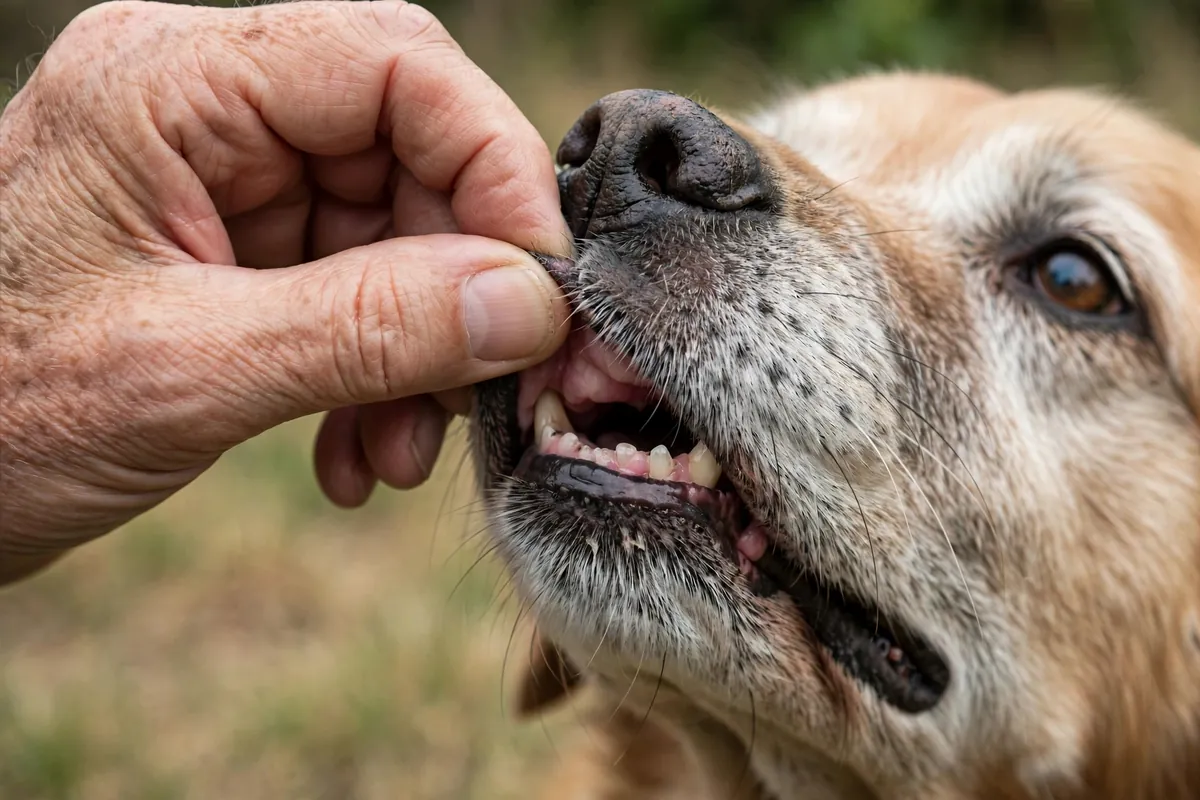
- Check gums gently. Lift the lip and look. Healthy gums are usually pink and moist. Blue, gray, white, or brick-red gums mean emergency care.
Help Your Dog Settle: Night Routine
Keep dinner, the last toilet break, and bedtime at similar times each night. A predictable routine helps confused and anxious dogs feel safer.
Place a supportive bed in a warm, draft-free spot near you, with water close by. For bed ideas, see our guide to a comfortable orthopedic bed for old dogs.
Add a low nightlight in the hallway and bedroom, and use soft white noise to mask startling sounds. Keep evening play gentle, and finish with a calm toilet trip.
If your dog struggles to walk to water or the door, add rugs on the main paths. See our guide on elderly dog slipping on floors for traction ideas that also reduce nighttime stress.
What Your Vet Will Likely Do
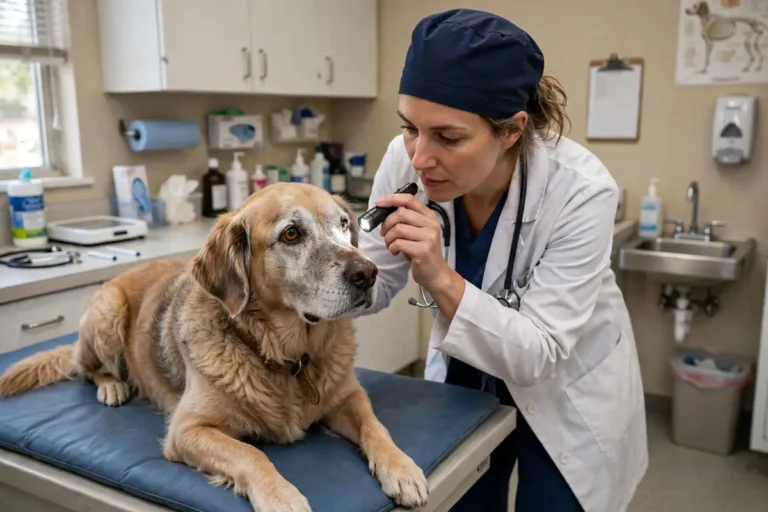
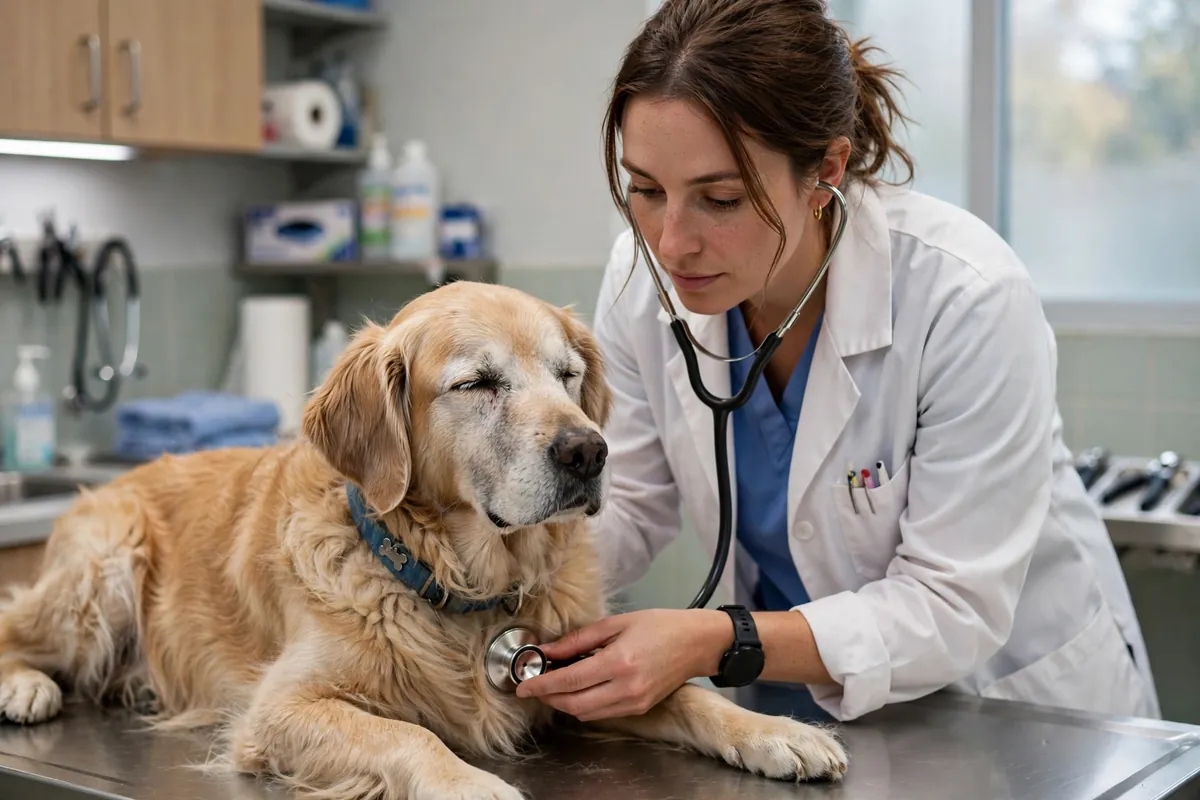
Expect a physical exam and listening to the heart and lungs. Bloodwork and chest x-rays are common first steps, and your vet may check blood pressure or run a urinalysis.
Depending on the findings, your vet may refer for a heart ultrasound or discuss pain care, airway checks, or cognitive support. Bring your breathing-rate notes, a full medicine list, and a short description of the nights.
Bring notes about senior dog panting heavily at night, including start date, frequency, and other signs. Patterns help your vet far more than a single vague report.
What NOT to Do
- Do not give human painkillers, sleep medicine, or supplements without vet advice.
- Do not scold, punish, or use shock or prong collars. Fear and pain do not improve panting, and they can make a senior dog more distressed.
- Do not call it just old age and do nothing. Many causes can be managed with vet help.
- Do not change food, medicine, and routine all at once. Change one thing at a time, and note the result.
- Do not startle a dog that is staring, stuck, or half asleep. Speak their name softly first, then guide them gently.
- Do not rely on a single gadget, scent, or supplement as a cure. No home product replaces a vet exam.
When to Get Vet or Professional Help
Book a vet visit for new, regular, or worsening panting. Get help promptly for sudden change, collapse, breathing distress, swelling, or any sign of pain.
Ask for a referral to a certified behavior professional if anxiety stays strong after medical causes have been checked. That help works alongside vet care, not instead of it.
If your dog also paces through the night, read our guide on senior dogs pacing at night and share the pattern with your vet.
Frequently Asked Questions
Is it normal for senior dogs to pant more at night?
Mild, brief panting can happen, but heavy, repeated senior dog panting heavily at night in a resting dog is not normal aging. It signals pain, breathing difficulty, anxiety, or illness often enough that it always deserves a vet check.
Why does my dog pant and pace at night but seem fine during the day?
This day-night pattern often points to pain that worsens with stillness, or to cognitive dysfunction with sundowning. Stiff, slow movement suggests pain, while confusion, staring, and getting stuck suggest cognitive change.
Can anxiety alone cause heavy panting at night?
Yes, severe anxiety or nighttime confusion can produce intense panting, sometimes with shaking and pacing. Never assume anxiety without ruling out medical causes first, because heart disease and pain can look similar.
How can I help my senior dog settle at night?
Rule out medical causes with your vet first. Then use a consistent bedtime routine, a supportive bed in a cool quiet spot, a nightlight, and a final calm toilet trip.
If drinking has also changed, read our guide to keep an older dog hydrated and tell your vet about thirst changes.
My dog pants heavily but the vet found nothing. Now what?
Ask about a cardiology referral or a pain assessment. Some problems, such as early heart disease or spinal pain, are easy to miss on a basic exam.
A second opinion from a specialist is reasonable when the symptom persists. Keep your night notes going, so the next vet can see the full pattern.
Should I wake my dog if they are panting in their sleep?
Light dreaming panting with twitching is normal sleep. Leave your dog alone. Heavy, continuous panting with restlessness while awake is different.
If you are unsure whether your dog is awake or asleep, speak their name softly rather than touching them suddenly.
For senior dog panting heavily at night that keeps returning, book a vet visit, keep evenings calm, and give your dog a safe place to settle. If pacing is the main sign, read our guide on senior dogs pacing at night and our guide to a comfortable orthopedic bed for old dogs.
Reference
Reference: Senior dog dementia, Cornell University College of Veterinary Medicine
This article is general information about nighttime panting in senior dogs and is not veterinary advice. New, worsening, or emergency-sign panting needs prompt veterinary attention.
Still stuck? Get a plan built for your dog.
Answer a few quick questions and get a personalized, force-free training plan in minutes.