How to Stop Your German Shepherd Puppy From Biting: 4-Week Plan
If your German Shepherd puppy has turned hands, sleeves, and ankles into chew toys, you are not alone, and you have not failed.
German shepherd puppy biting is normal, mouthy puppy behavior, not a sign that your puppy is naughty or aggressive.
This guide gives you a calm, force-free 4-week plan. You will learn why puppies bite, how to teach a soft mouth, and when to ask for help.
German Shepherd Puppy Biting: The Direct Answer
To handle german shepherd puppy biting, stop the fun the moment teeth touch skin, then redirect to a toy and praise the toy.
Use the same short routine every time, keep sessions calm, and protect rest time. Most progress comes from consistency, not from louder corrections.
Key Takeaways
- Puppy biting is normal, not defiance. Teeth on skin should end play, every time.
- Teach a soft mouth first, then stop rewarding any mouthing on skin.
- Redirect every bite to a toy, and keep toys close in every room.
- Overtired puppies bite hardest. Guard naps and calm evenings.
- Keep handling calm and kind. Use rewards, never fear-based tools.
- Sudden, stiff, or escalating biting needs a vet or behavior professional.
Why German Shepherd Puppies Bite So Much
German Shepherds were bred to work with their mouths and to follow movement. That heritage can make them mouthier than many other puppies.
Teething. Teething can make gums sore, so puppies chew to soothe them. Offer safe chews, and rotate them so they stay interesting.
Play. Play is another big driver. Puppies explore with their mouths, just as toddlers explore with their hands. Mouthing is how they learn.
Herding instinct. Herding instinct adds a special twist. Moving feet, sleeves, and trouser legs can trigger chasing and grabbing, especially on walks.
Over-arousal. Over-arousal is the third driver. When a puppy is tired, excited, or overstimulated, self-control drops and biting gets harder and faster.
Attention. Some puppies also learn that biting gets attention. Even a loud reaction can reward the bite, so calm responses matter more than big ones.
Before Week 1: Set the Ground Rules
A 4-week plan only works if everyone responds the same way. Agree on one routine before you start, and write it where the family can see it.
- Hands are never toys. No bare-hand wrestling, and no games that invite teeth onto skin.
- Keep toy stations ready. Put a chew toy and a rope toy in each room you use most.
- Plan rest first. Young puppies need frequent naps, and a tired puppy cannot learn well.
If your puppy also chews furniture, read our guide to stopping German Shepherd chewing furniture for room-management ideas.
Never punish biting with fear. Avoid nose taps, neck pinches, held-shut mouths, and shock, prong, or choke collars. These tools can increase fear and damage trust.
Your 4-Week Plan at a Glance
| Week | Focus | Daily goal |
|---|---|---|
| Week 1 | Soft mouth | Pause play for hard bites, redirect to toys |
| Week 2 | Raise the bar | Pause for bites that hurt, start leave it |
| Week 3 | Give the mouth a job | Hand targeting, tug, and brain work |
| Week 4 | Proof in real life | Calm greetings, visitors, and short walks |
Week 1: Teach Bite Inhibition
In week 1, the goal for german shepherd puppy biting is a softer mouth, not zero mouthing. Reward gentle contact, and pause play for hard bites.
When teeth touch skin, say ouch in a calm voice, then freeze and withdraw your hands. Wait a few seconds before you offer a toy.
If ouch excites your puppy, drop the sound. Simply stop play, turn away, and wait. The loss of attention is the lesson, not the noise.
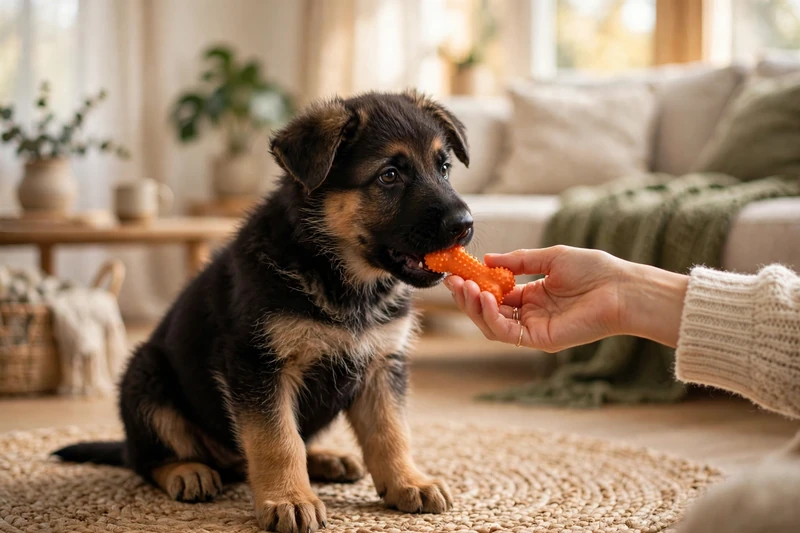
After the pause, offer a toy at once. Praise warmly the moment teeth land on the toy, so the toy becomes the better choice.
Do not expect biting to stop this week. Success looks like harder bites softening, and your puppy pausing after a play stop.
Week 2: Raise the Bar on Gentleness
In week 2, bites you tolerated last week now earn a short break. Play normally, but pause for 30 to 60 seconds when a bite hurts.
Start leave it in short, happy sessions. Hold a treat in a closed fist, and reward from your other hand when your puppy looks away.
The same leave it skill helps when puppies target shoes. Our guide to German Shepherd chewing shoes shows how to manage that habit.
Support teething with safe, chilled chews and plenty of choice. If your puppy seems in pain, or stops eating, ask your vet for advice.
Expect two steps forward and one step back. That uneven rhythm is normal, and it does not mean the plan has failed.
Week 3: Give the Mouth a Job
By week 3, your puppy should know that hard biting ends the fun. Now give that busy mouth useful work, so calm choices pay better.
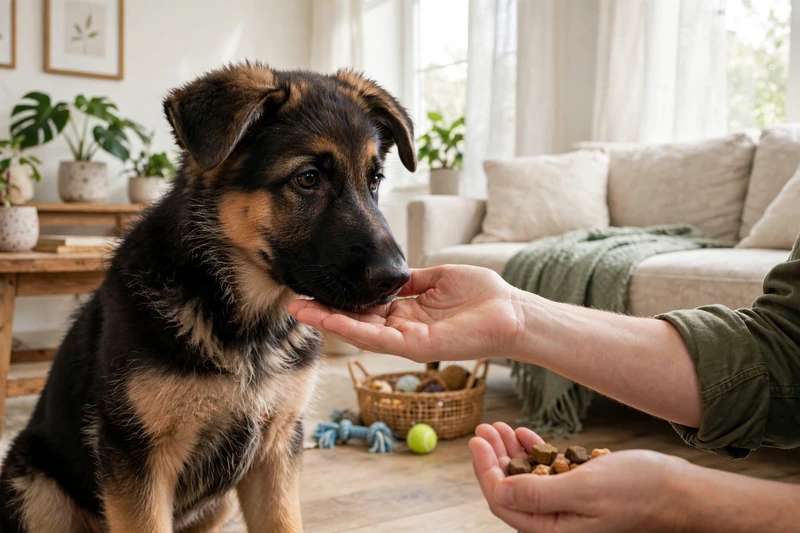
Teach hand targeting with an open palm. Say yes and treat the instant your puppy’s nose touches your hand, then repeat in short sets.
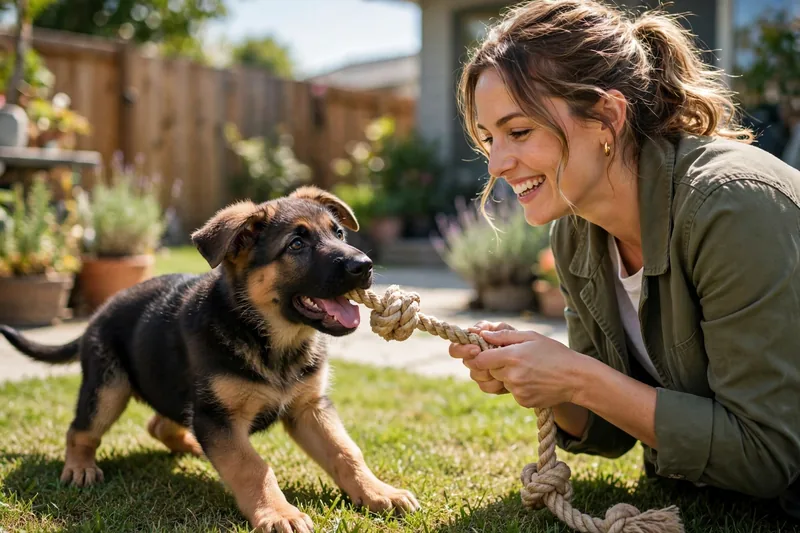
Play structured tug with a long rope toy. Ask for leave it every so often, trade for a treat, and restart only when your puppy is calm.
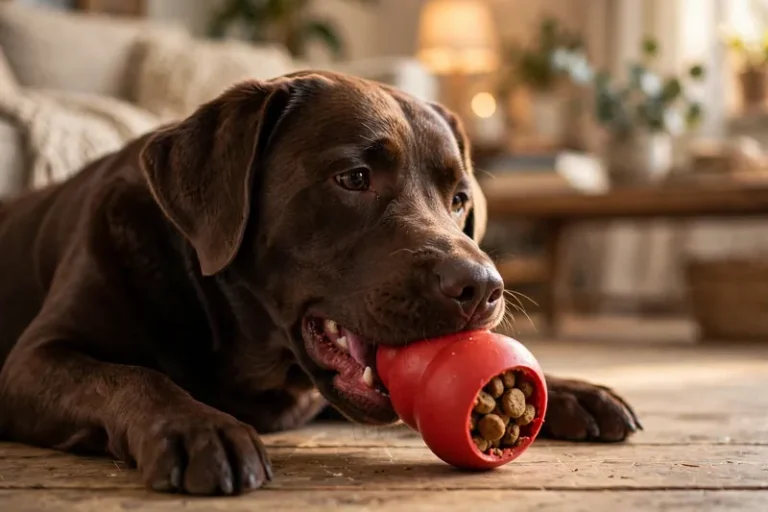
Add brain work every day. A short sniff walk, a snuffle mat, or a stuffed rubber toy can buy more calm than extra rough play.
Keep socializing short and positive. Brief, calm outings teach your puppy that new people and places are safe, not exciting targets.
By the end of week 3, teeth on skin should be rare, soft, and easy to interrupt. If not, check rest, consistency, and arousal first.
Week 4: Proof It and Lock It In
Week 4 tests the new habits in real life, not just in training sessions. Practice in busier rooms, with visitors, and on short walks.
Rehearse calm greetings with hand targeting. Ask visitors to keep hands still, and pause the greeting if teeth touch skin.
Capture calmness through the day. When your puppy lies quietly with a chew, drop a treat between their paws without fanfare.
Hold the line on naps. Many owners drop the nap schedule just as training starts to work, and evening biting returns.
By the end of week 4, expect hands to be mostly replaced by toy grabs. Soft, accidental mouthing may still happen, and that is normal.
Calm Handling in the Moment
When teeth hit skin, run this short routine every time. Consistency is the whole method, so do not change it mid-bite.
- Mark calmly. Say ouch only if the sound calms, rather than excites, your puppy.
- Stop everything. Freeze, withdraw your hands, and turn slightly away.
- Wait 20 to 30 seconds. Stay boring, with no eye contact and no talking.
- Redirect. Offer a toy, and praise warmly when teeth land on it.
- If biting escalates, leave calmly. Step behind a baby gate for 30 to 60 seconds, then return neutrally.
For moving feet, the same freeze rule helps. Stop walking, stand still like a tree, and wait for the mouth to come off before you move again.
What NOT to Do
- Do not shout, chase, or push your puppy away. Those reactions can excite or frighten them.
- Do not use scruff grabs, alpha rolls, or muzzle holding. Fear does not teach a soft mouth.
- Do not use shock, prong, or choke collars for puppy biting. Choose reward-based training instead.
- Do not scold damage found later. Your puppy cannot link a past bite to a present scolding.
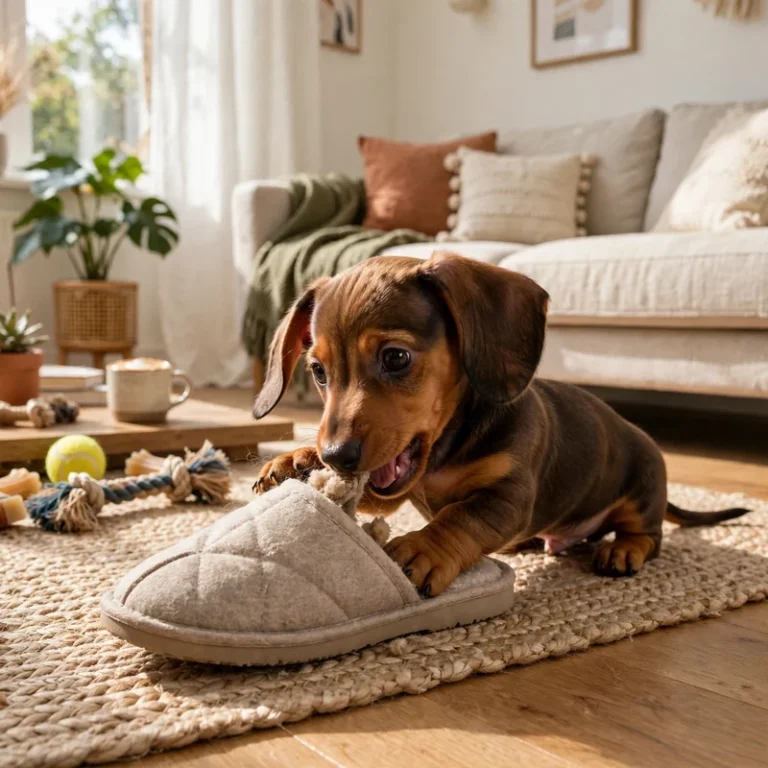
- Do not offer old shoes or clothes as toys. Your puppy cannot tell toy shoes from good shoes.
Troubleshooting: When Biting Will Not Quit
Worse in the evenings? That usually points to overtiredness. Enforce a nap before the busy evening hour, and keep evenings calm.
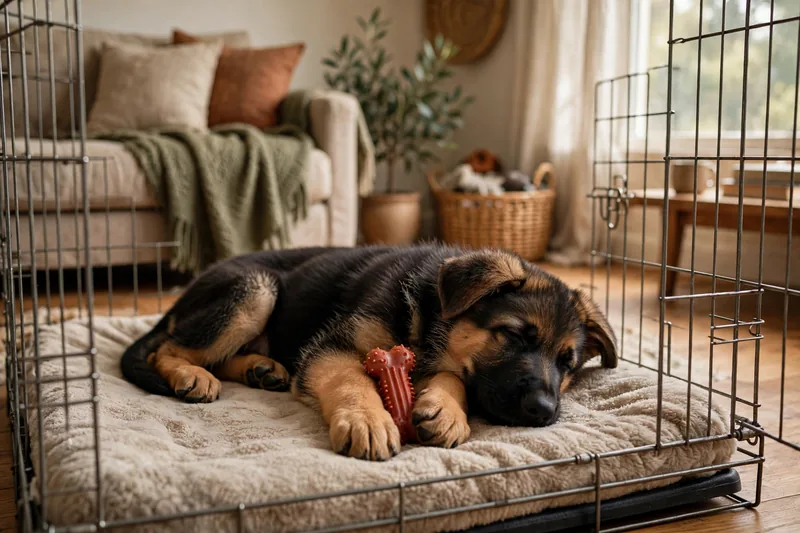
Biting worse around 4 months? Teething often peaks then. Increase chew choices, offer chilled toys, and keep sessions short.
Kids get bitten more? Kids get bitten more because they move fast, squeal, and flail. Supervise every interaction, and switch child play to toy-based games.
If german shepherd puppy biting keeps escalating despite steady practice, pause and reassess rest, consistency, and arousal before you repeat the same routine.
When Biting Needs Vet or Professional Attention
Play biting is loose, bouncy, and easy to interrupt. Warning signs are different, and they deserve prompt professional advice, not more training alone.
- A sudden change in a normally gentle puppy.
- Stiff body language, hard staring, or growling over food, toys, or resting places.
- Biting that breaks skin often, or keeps getting harder despite consistent training.
- Signs of pain, illness, mouth pain, or trouble eating.
- Fear that is getting worse, or panic when left alone.
If you see these signs, contact your vet first, then a qualified force-free behavior professional. Our complete guide to German Shepherd behavior problems explains when mouthing needs professional help.
Frequently Asked Questions
Is it normal for my German Shepherd puppy to bite this much?
Yes. Mouthing is normal developmental behavior, and German Shepherds are among the mouthiest puppies. Training shapes it, and maturity helps it fade.
Does the ouch method actually work?
It works for many puppies because it copies how littermates teach that hard bites end play. If ouch excites your puppy, use a quiet play stop instead.
How long until my German Shepherd puppy stops biting?
With steady training, german shepherd puppy biting usually improves a lot within three to four weeks. Some mouthing can linger into adolescence, so keep the routine going.
Should I enroll my puppy in training classes?
A good puppy class can help a lot. An instructor can check your timing, coach calm handling, and guide safe socialization.
When is puppy biting a sign of a real problem?
Play biting is loose and bouncy, with play bows and easy pauses. Stiff posture, hard staring, or sudden escalation are reasons to seek professional advice.
What should I do if a bite breaks the skin?
Wash the area gently with soap and clean running water, then cover it with a clean dressing. Seek medical advice promptly if the bite is deep or shows signs of infection.
Work the plan week by week, keep rewards and rest steady, and if ankle chasing or general nipping also worries you, read our Golden Retriever puppy nipping plan and our Golden Retriever puppy biting ankles guide.
Reference
American Kennel Club, How to Stop Puppy Biting and Train Bite Inhibition
Still stuck? Get a plan built for your dog.
Answer a few quick questions and get a personalized, force-free training plan in minutes.
Try the Free Dog Tools