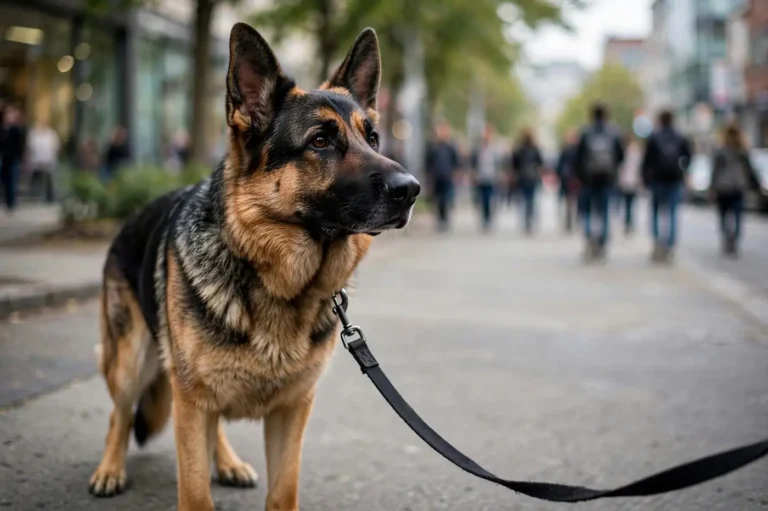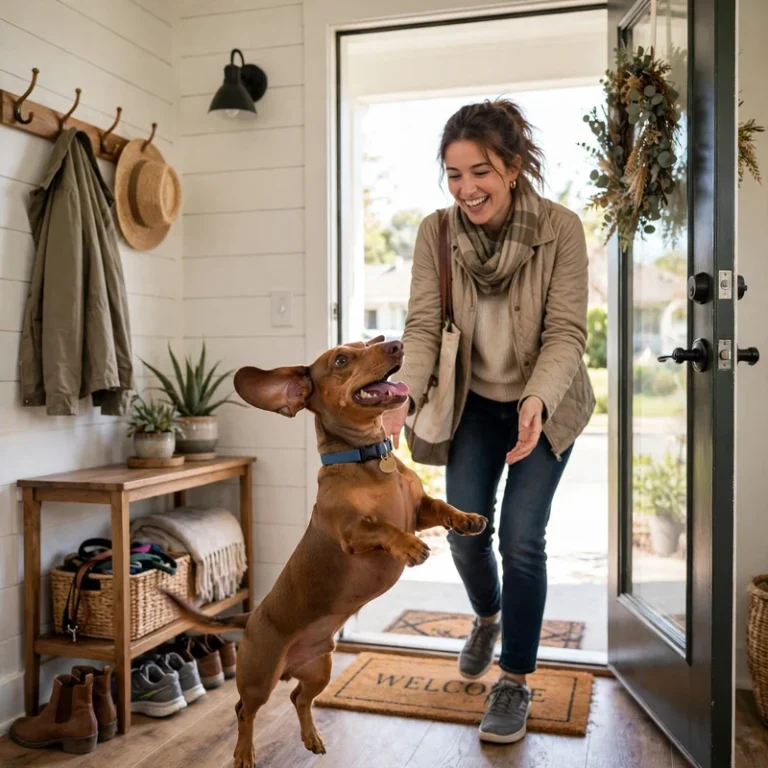
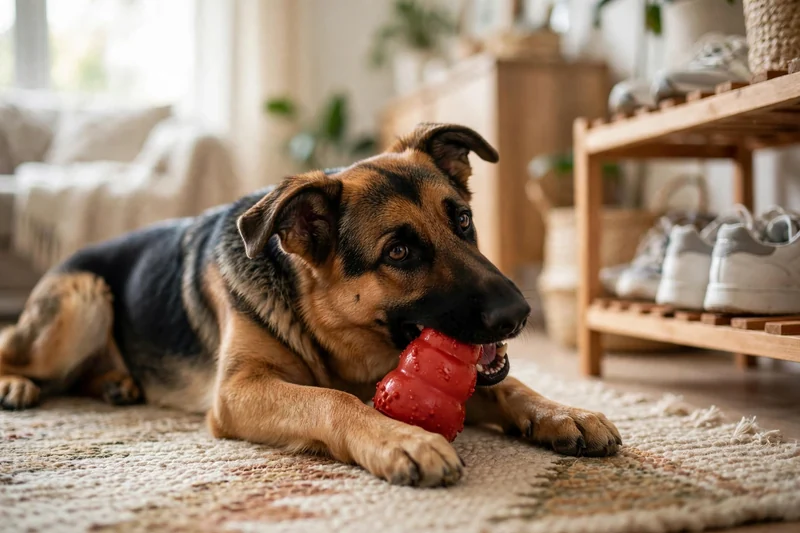
German Shepherd Chewing Shoes? Here’s the Fix
If your favorite sneakers have ever come home soggy and lace-free, you are not alone.
German shepherd chewing shoes is one of the most common complaints from Shepherd owners. Shoes smell like you, feel good to chew, and sit right at nose height.
The good news is that this is a fixable habit. You do not need harsh corrections. You need management, better chew options, and a routine you repeat until the habit shifts.
If shoe chewing is part of a wider pattern, see our complete German Shepherd behavior problems guide.
German Shepherd Chewing Shoes: The Direct Answer
In short, german shepherd chewing shoes usually comes from scent, teething, boredom, or worry when left alone.
The fix is management first, then legal chews, calm trade games, and a fuller day. Put shoes away today, offer a toy your dog loves, and reward every good choice.
Do not expect one trick to work overnight. Habits built over weeks fade over weeks, with steady practice from everyone in the home.
Key Takeaways
- Shoes are tempting because of your scent, their texture, and their height.
- Chewing is normal, especially during teething and adolescence.
- Shoes behind a closed door cannot be chewed.
- Redirect every shoe grab to an approved chew and reward the choice.
- Teach “leave it” and “drop it” for the moments management misses.
- Sudden chewing in an adult dog, or swallowed shoe pieces, means calling your vet.
Why Shoes Are So Tempting
Your scent is the main attraction. Shoes carry a strong dose of your smell. For a dog that bonds closely with you, that smell can feel comforting.
Texture matters too. Leather, rubber, laces, and insoles offer many textures in one item. A shoe also bends, squeaks, and tears in ways a plain toy may not.
Teething makes everything chewable. Puppies explore with their mouths and chew to soothe sore gums. Shoes are simply within easy reach during that stage.
Bored Shepherds invent their own jobs. German Shepherds are smart working dogs with plenty of energy. Without enough play, training, and rest, a shoe becomes a project.
Worry can drive chewing as well. Some dogs chew to settle themselves when they feel stressed. That is different from playful chewing, and it needs a different plan.
Shoe chewing is not spite. Your dog is not punishing you for leaving. Your dog is following scent, comfort, habit, or an unmet need.
Shoe Chewing Compared With Other Chewing
| Target | Why it appeals | First step |
|---|---|---|
| Shoes | Your scent, soft texture, nose height | Put every pair away |
| Furniture | Available, sturdy, easy to gnaw | Block access and offer a legal chew |
| Household items | Novelty, texture, or boredom | Dog-proof the room and add enrichment |
The pattern is the same in each case. Remove the target, offer a better option, and meet the need behind the chewing.
Step 1: Make Shoes Impossible to Reach
For german shepherd chewing shoes, management is the fastest win. A shoe your dog never reaches is a habit that never gets practiced.
- Give every pair a home behind a closed door. Use a closet, a lidded box, or a latched cabinet. Shoes come off, then straight into storage.
- Recruit the whole household. One pair left by the couch can undo everyone else’s work. Brief family members and guests too.
- Use gates and safe zones when you cannot supervise. A baby gate or a dog-proofed room keeps temptation out of reach.
- Keep a crate comfortable, never a punishment. A crate should be a calm resting place, introduced gradually with rewards.
- Consider a taste deterrent as backup only. A pet-safe bitter spray may help on items that cannot be moved. It is not a full plan.
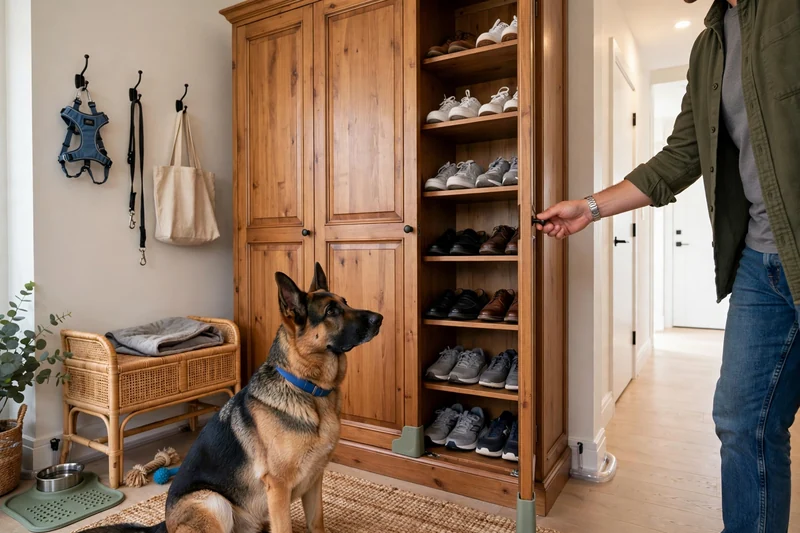
Every shoe your dog never gets is one less rehearsal. Habits that cannot be practiced tend to fade.
Step 2: Give That Mouth Something Better to Do
Taking shoes away without an alternative sends your dog hunting for the next target. Offer legal chews that are easy to find and fun to use.
- Offer variety. Stock rubber toys, rope toys, and sturdy chews, then notice what your dog returns to most often.
- Rotate the toy box. Put out two or three toys at a time and swap them every few days. A returning toy feels new again.
- Match the chew to the dog. Choose toys sized for a large, powerful breed. Supervise any new chew until you know how your dog uses it.
- Soothe teething gums directly. A frozen washcloth or a frozen stuffed toy can ease sore gums for a teething puppy.
- Feed with the brain in mind. Food puzzles, snuffle mats, and scatter feeding turn meals into calm, useful work.
When your dog feels the urge to chew, the easiest thing to grab should be a toy, not your footwear.
Step 3: Redirect Every Single Time
When you catch your Shepherd with a shoe, stay calm and make the trade. Your tone should stay friendly and upbeat.
- Interrupt gently. A cheerful sound or a light clap can break their focus without startling them.
- Trade, do not grab. Offer the approved chew right at their nose. Most dogs happily swap when the offer is good.
- Reward the right choice. The moment their jaws close around the toy, praise warmly and offer a treat. The toy should pay better than the shoe.
Just as important is what not to do:
- Do not chase them. Chasing turns a forbidden object into a thrilling game of keep-away.
- Do not scold after the fact. Your dog cannot connect your anger now with a shoe chewed an hour ago.
- Never offer old shoes or socks as toys. Your dog cannot tell an old sneaker from a new pair, so the rule must stay simple.
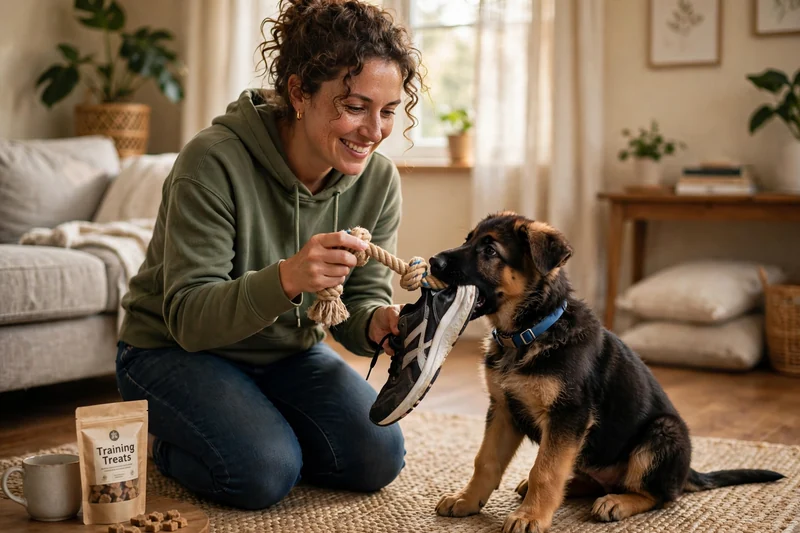
Everyone in the house must follow the same rules. Mixed messages slow learning and confuse your dog.
Step 4: Teach “Leave It” and “Drop It”
These two cues are your safety net for the moments something slips through. Teach them in short, happy sessions.
“Leave it” starts with a treat in your closed fist. Reward your dog for pulling their nose away and looking at you instead.
“Drop it” is taught by trading. Offer a toy, let your dog take it, then present a treat or a better toy and say the cue.
Practice for a few minutes a day and always end on a success. Short wins beat one long, frustrated session.
Step 5: Tire Out the Mind and the Body
A Shepherd who has had a full day is more likely to nap than to remodel your shoe collection. Exercise and mental work both matter.
- Walk and play daily. A good walk with sniffing time, plus fetch or tug, burns off restlessness.
- Work the brain. Training sessions, food puzzles, snuffle mats, and scatter feeding tire a clever dog well.
- Build a routine. Morning exercise, midday enrichment, and an evening wind-down mean less invented entertainment.
| Time | Simple plan |
|---|---|
| Morning | Walk or play, then breakfast from a puzzle feeder |
| Midday | Short training session and a legal chew |
| Evening | Second walk or game, then calm settling practice |
If your Shepherd also targets furniture, the same playbook applies to stopping furniture chewing: manage the space, offer better options, and meet the dog’s needs.
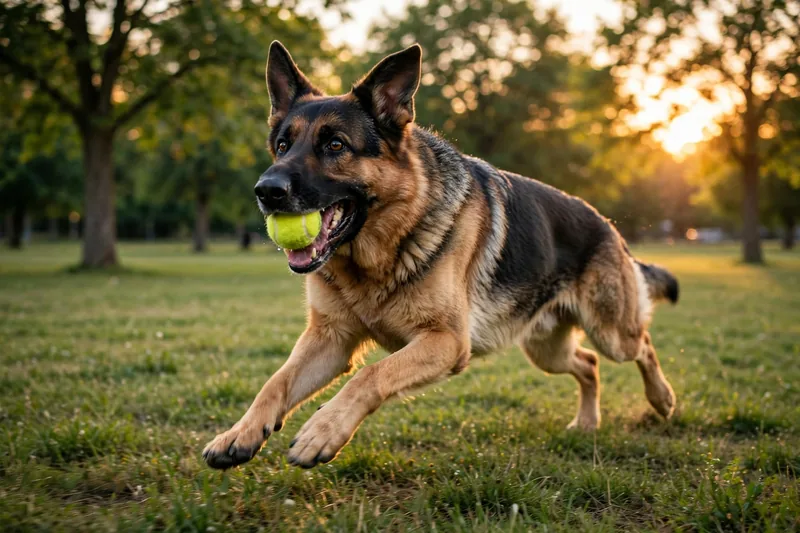
When Chewing Happens Only When You Are Gone
When german shepherd chewing shoes happens only when you are out, look closer. Boredom and separation distress need different plans.
| Clue | More like boredom | More like distress |
|---|---|---|
| Timing | Starts later, often after a nap | Starts soon after you leave |
| Damage | Fun objects around the home | Exit points, doors, or your scent items |
| On camera | Calm settling, then busy chewing | Pacing, panting, drooling, or vocalizing |
| Food toys | Eaten happily | Often ignored while you are gone |
A camera test helps most owners decide. Film one normal absence and watch the first half hour closely. Note when the chewing starts and what else your dog does.
For boredom, add exercise, enrichment, and a dog-proofed room. For distress, build alone time in tiny, calm steps and keep departures low-key.
The same alone-time pattern appears in other breeds. See our Golden Retriever chewing shoes when left alone guide for a useful comparison.
When to Get Professional Help
- A sudden change in an adult dog. A settled adult that starts destroying shoes deserves a vet check first.
- Swallowed shoe pieces. Leather, laces, insoles, and glue can cause choking or blockage. Call your vet promptly.
- Guarding the stolen goods. Growling, snapping, or stiffening when you take a shoe away needs professional guidance.
- Signs of pain or illness. Mouth pain, dental problems, or a medical cause can change chewing behavior. Rule those out first.
- Panic when alone. Self-injury, escape attempts, or constant distress need a vet or a qualified behavior professional.
- Aggression of any kind. Do not force a trade or confront a dog that is guarding. Step back and get expert help.
If german shepherd chewing shoes starts suddenly in an adult dog, treat it as a health question first. Pain and medical causes should be ruled out before you build a training plan.
Positive reinforcement only is the safe path here. Reward calm choices, trade kindly, and avoid tools or methods based on fear or pain.
Common Mistakes That Slow Progress
- Scolding a dog for damage found hours later. It teaches fear of homecomings, not better chewing.
- Chasing a dog to recover a shoe. It turns theft into the best game in the house.
- Giving an old shoe as a toy. Dogs cannot sort good shoes from toy shoes.
- Relying on bitter spray alone. It is a backup, not a replacement for management and training.
- Getting a second dog to fix chewing. Company does not treat boredom or distress by itself.
- Using a crate as a punishment. A stressed dog in a crate can panic, so keep crate time calm and gradual.
Frequently Asked Questions
Will my German Shepherd grow out of chewing shoes on their own?
Teething chewing fades, but german shepherd chewing shoes as a rehearsed habit does not fade on its own. Practice management and redirection until the new habit is stronger.
Can I give my German Shepherd an old shoe to chew instead?
Please do not. Dogs cannot tell an old sneaker from a new pair. Keep the rule simple: shoes are never toys.
Do bitter taste sprays stop shoe chewing?
They are a backup, not a solution. Some dogs dislike the taste, while others chew right through it. Management and training do the real work.
My adult German Shepherd suddenly started chewing shoes. Why?
Look for what changed: less exercise, a move, a new schedule, or worry when left alone. Sudden chewing in an adult deserves a vet check first.
What should I do if my dog swallowed part of a shoe?
Call your vet promptly and describe what was swallowed. Shoe materials can cause choking or blockage, so do not wait to see if it passes.
Is shoe chewing always separation anxiety?
No. Many dogs chew shoes while you are home too, which points to teething, boredom, or habit. Chewing only when alone is the clue that distress may be involved.
Start today with shoes away, one good chew within reach, and a calmer routine, and if shoe chewing is part of a wider pattern, read our complete German Shepherd behavior problems guide, our guide to German Shepherds destructive when left alone, and our guide to German Shepherd separation anxiety when left alone.
Reference
American Kennel Club, Why Does My Dog Chew My Furniture and Baseboards?
Still stuck? Get a plan built for your dog.
Answer a few quick questions and get a personalized, force-free training plan in minutes.
Try the Free Dog Tools