Signs Your Puppy Is Drinking Too Much Water
This article is for information only and is not veterinary advice. If you are worried about your puppy’s water intake, talk to your veterinarian.
Watching a puppy empty a water bowl can be funny at first. It feels less funny when refills, toilet trips, and night waking start to repeat.
This guide explains normal drinking in general terms, signs that may point to excess, and what to note for your vet. It does not diagnose your puppy, and it does not replace veterinary advice.
Key Takeaways
- The pattern matters more than one big drink after play or heat.
- Dry food, warm weather, play, and excitement can raise thirst for a short time.
- A sudden, lasting rise, frequent bowl refills, more toilet trips, and night drinking are signs to note.
- Never restrict water on your own, and never give human medicines.
- Vomiting, lethargy, collapse, or a sudden sharp spike in drinking needs prompt vet attention.
- Simple notes about timing, food, energy, and toilet habits help your vet a great deal.
Puppy Drinking Too Much Water: The Direct Answer
In simple terms, it means drinking that stays clearly above your puppy’s own usual pattern for more than a short spell. One big drink after play or heat is not the same thing.
Look at the pattern over several days, not one bowl alone. If the rise lasts, grows, or comes with other changes, contact your vet promptly.
What Normal Puppy Drinking Looks Like
Puppies often drink more than adult dogs, because they are growing, active, and still learning routines. Their needs also shift with food, weather, and play.
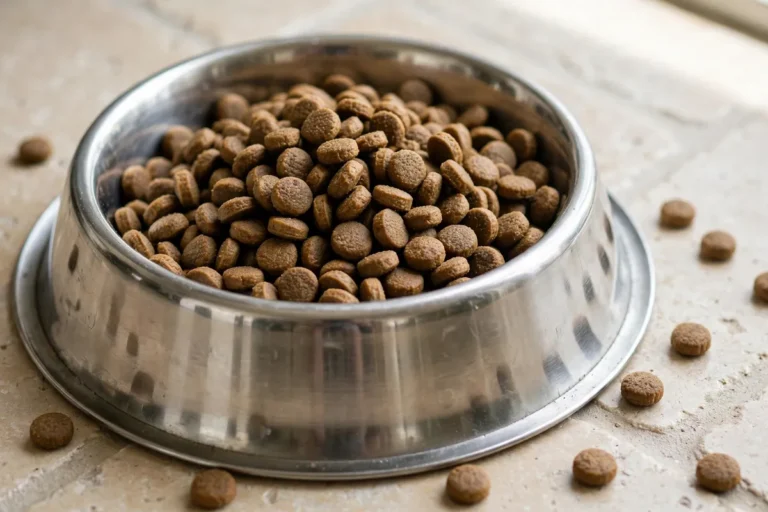
Dry food can leave a puppy thirstier than wet food, because dry food holds less moisture. Warm days, lively play, and excitement can also raise thirst for a short time.
A steady pattern is reassuring. Your puppy drinks, rests, plays, and toilets in a fairly regular way, and the bowl level changes in a similar way each day.
Change is the clue to watch. A new pattern that does not settle back, even when heat and play ease, deserves a closer look.
Signs That Drinking May Be Excessive
The clearest sign of puppy drinking too much water is a sudden, lasting change from your puppy’s normal pattern.
- The bowl needs refilling much more often than before.
- Your puppy seeks water from unusual places, such as dripping taps or puddles.
- Toilet trips increase, accidents return, or urine looks very pale and watery.
- Your puppy wakes at night to drink, or chooses water over play and food again and again.
- Your puppy gulps large amounts, then vomits, or seems unable to settle after drinking.
- Drinking rises with lethargy, less appetite, weight change, vomiting, or loose stools.
Note when each sign started, and whether several signs appear together. If several signs appear together, do not wait for weeks to see what happens. Contact your vet and share your notes.
| Pattern | What to note | Next step |
|---|---|---|
| Brief rise after play or heat | Drinking settles as your puppy rests | Keep water available and watch the pattern |
| Steady rise over several days | Bowl refills and toilet trips both increase | Note the pattern and contact your vet |
| Night drinking plus restlessness | Waking to drink, with panting or pacing | Note the nights and ask your vet promptly |
| Sudden spike with urgent signs | Vomiting, lethargy, weakness, or collapse | Seek vet care promptly, or emergency care if needed |
Normal Reasons Puppies Drink More
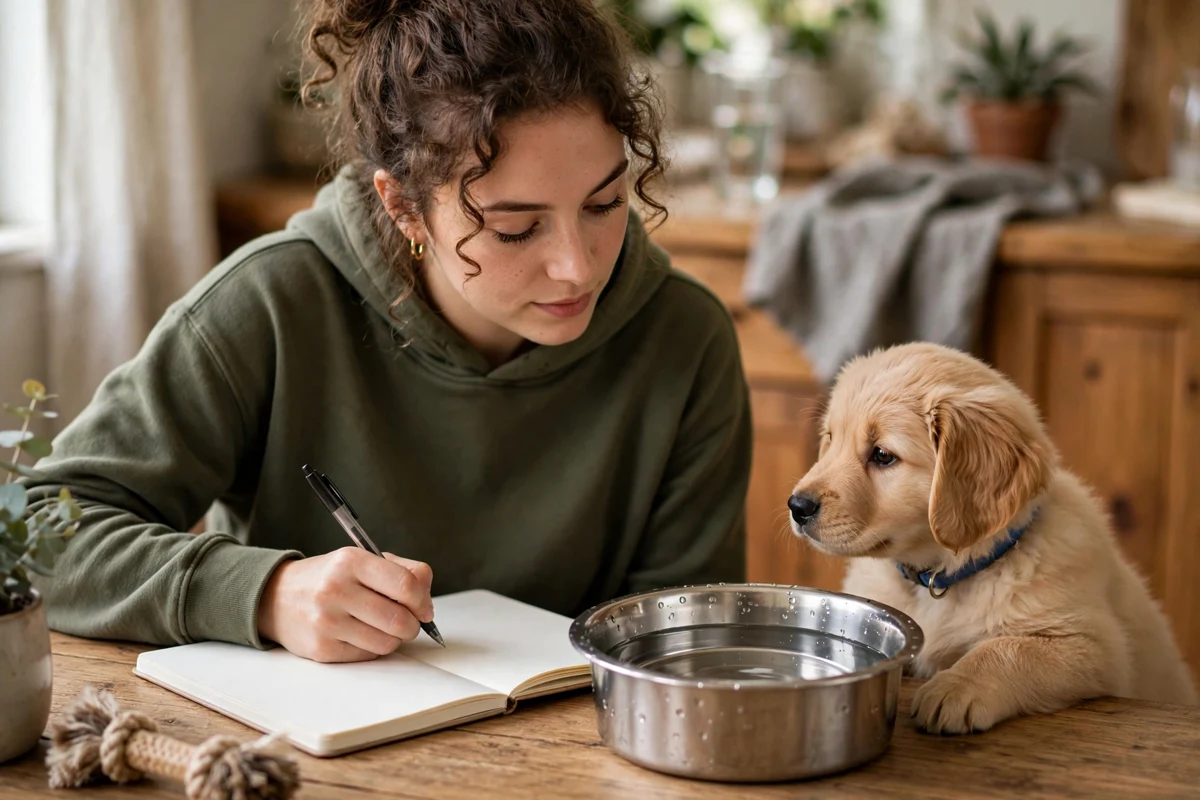
Before worrying, check the simple explanations. Many short rises in thirst have a clear, everyday cause.
- Dry food. Puppies moving to dry food often drink more, because dry food holds less moisture than wet food.
- Warm weather. Puppies drink more to cool down on warm days, just as people do.
- Exercise and play. A big play session usually leads to a big drink afterward.
- Excitement or stress. A new home, visitors, or a vet visit can raise drinking for a short time.
- Salty treats. Salty training treats and table scraps can drive thirst.
- A new routine. A change in feeding times, walks, or sleep can briefly change drinking habits.
If the rise matches one of these causes and settles within a day or so, it may be simple thirst. If it does not settle, treat the pattern as worth noting for your vet.
Common Reasons in General Terms
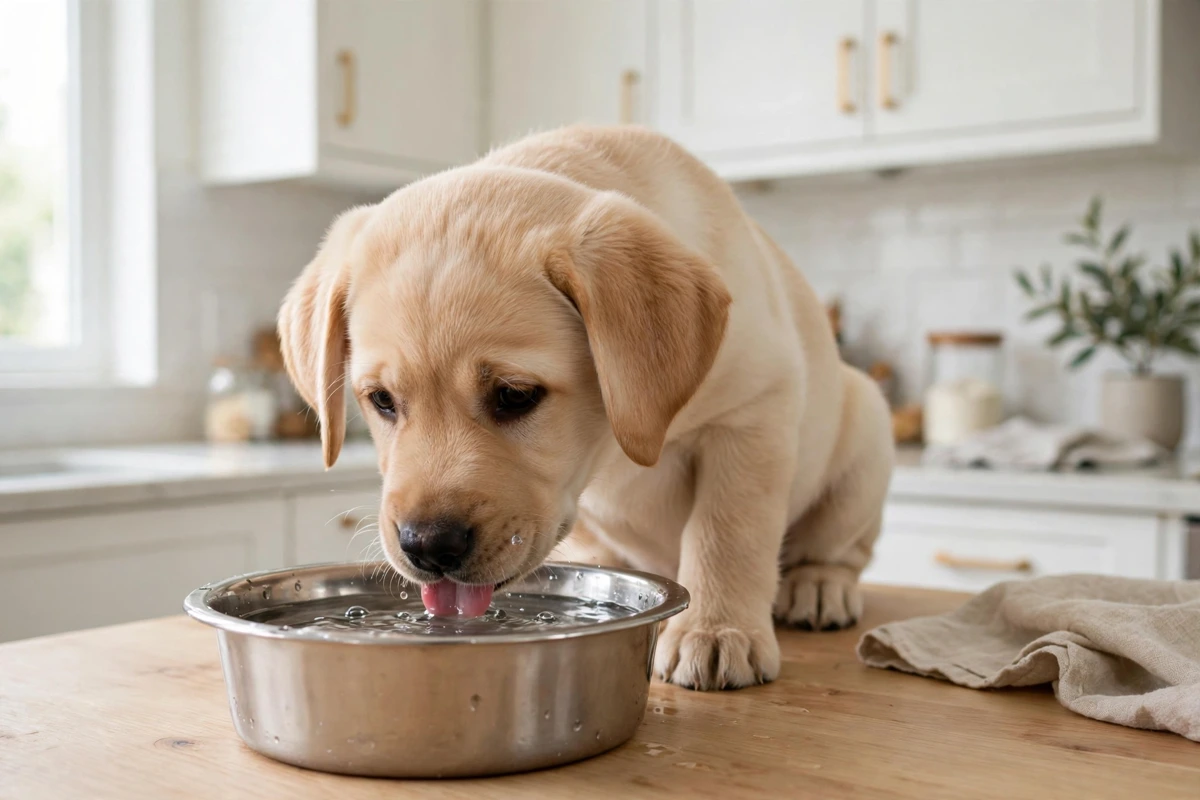
Many different health and routine factors can raise thirst in general terms. Only a vet can tell which, if any, applies to your puppy.
- Urinary tract problems, which may come with frequent toilet trips or straining.
- Blood sugar problems, which may come with weight change or low energy in general terms.
- Kidney problems, which may affect how the body holds and passes water.
- Liver problems, which may come with poor growth or other changes in general terms.
- Infection or fever, which can change drinking, appetite, and energy.
- Prescribed medicines, which can raise thirst as a side effect in some dogs.
- Hormone problems in general terms, which a vet may need to check with tests.
- Worry, boredom, or habit, which can lead some puppies to drink more than they need.
This is not a checklist for diagnosis at home. Several conditions can look alike from the outside, and some need prompt vet care. Your vet will weigh the full pattern, not one sign alone.
Drinking at Night
Night drinking deserves extra attention, because a resting puppy should usually settle after an evening play session and a toilet break.
If your puppy wakes again and again to drink, note whether panting, pacing, or restlessness comes with it. For related guidance, see our guide to dog panting at night.
A single night drink after a warm evening is less worrying than repeated night waking over several nights. Repeated night waking is a pattern worth telling your vet about.
What to Observe and Note for Your Vet
Your vet will likely ask when the change started, how much your puppy drinks, and what else has changed. Clear notes help more than one worried memory.
- When the rise started, and whether it is still rising.
- How often you refill the bowl, compared with before.
- Food and appetite, including any new food or treats.
- Toilet pattern, including accidents and night trips.
- Energy, play, sleep, vomiting, and loose stools.
- Any new prescribed medicine, or anything unusual your puppy ate.
- Night pattern, including waking, panting, and restlessness.
When you describe puppy drinking too much water to your vet, share the pattern in plain words. Say when it started, what changed, and what comes with it.
Keep notes for a few days if your puppy is bright, eating, and playing. Do not delay care for urgent signs while you take notes.
When Excessive Drinking Needs Vet Attention Urgently
Contact your vet promptly if drinking rises sharply, lasts, or comes with other worrying signs. Do not wait for weeks to see what happens.
- Vomiting again and again, or vomiting after drinking.
- Lethargy, weakness, or a puppy that seems much less bright than usual.
- Collapse, fainting, or trouble standing.
- Drinking that suddenly spikes sharply, with no clear cause.
- A puppy that cannot keep water down, or seems very weak.
- Trouble breathing, a swollen belly, or a sudden sharp decline.
For these signs, contact your vet promptly, and seek emergency vet care if your puppy collapses, is very weak, or cannot settle. When in doubt, choose the faster option. A vet would rather hear from you early than late.
What NOT to Do
- Never restrict water on your own. Any water-management change must be vet-first: ask your vet first.
- Never give human medicines, leftover medicines, or medicines meant for another dog.
- Never try to diagnose your puppy from the internet alone.
- Never punish accidents, night waking, or extra toilet trips. Use calm praise for settling and for toilet success.
- Never use shock or prong collars, and never use fear-based methods.
- Never delay vet care while trying home fixes for a lasting rise in drinking.
While You Wait for the Vet Visit
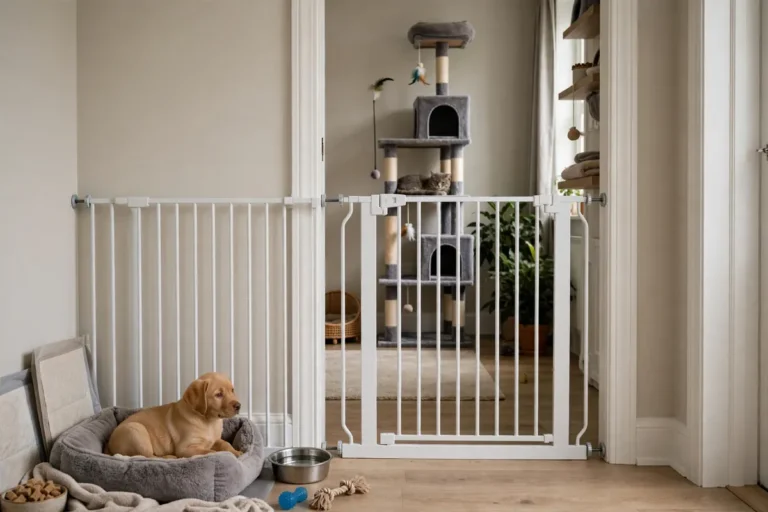
- Keep fresh, clean water available at all times, in more than one bowl if you have a multi-pet home.
- Take your puppy out more often, to prevent accidents and discomfort.
- Note food intake, energy level, sleep, and urination alongside the drinking.
- Keep your puppy’s routine calm, and avoid big diet changes right now.
- Use praise and patience for calm behaviour, and keep play gentle and short if your puppy seems tired.
Frequently Asked Questions
How can I tell if my puppy is drinking too much?
In short, puppy drinking too much water is best judged by a lasting change from your puppy’s own pattern. A sudden, steady rise, with more toilet trips, is worth noting and asking your vet about.
Is it normal for a young puppy to drink a lot?
Yes, often. Young puppies may drink more than adult dogs, especially on dry food, in warm weather, or after play. If the pattern is steady, and your puppy is bright, eating, and playing, it is less worrying. A sudden change still deserves a note for your vet.
Can teething cause increased thirst in puppies?
Teething alone does not usually cause a large, lasting rise in thirst. Chewing, drooling, and mouth soreness can change drinking for a short time. A lasting rise, or a rise with other signs, still needs a vet note.
Should I switch my puppy to wet food to reduce water intake?
Wet food holds more moisture than dry food, but changing diet to hide a symptom can mask a pattern your vet needs to see. Ask your vet first before a major diet change.
Can worry or boredom make a puppy drink more water?
Yes, in general terms, stress, boredom, and a new home can raise drinking for a short time. Use a calm routine, gentle play, enrichment, and praise for calm behaviour. If the rise lasts, ask your vet.
Is a sudden huge drinking session an emergency?
One big drinking session after play or heat is not usually an emergency. A sudden spike with vomiting, lethargy, collapse, or a very weak puppy needs prompt vet care, or emergency care as appropriate.
The Bottom Line
Trust the pattern, not the panic. Keep water available, note the change, and use praise and patience while you wait for vet advice.
If you are still unsure about puppy drinking too much water, keep simple notes and ask your vet, and for related BreedFix guidance, see our guides to can dogs get cataracts and care for a blind senior dog at home.
Reference
Reference: American Kennel Club, Why Is My Dog Drinking So Much Water?
Still stuck? Get a plan built for your dog.
Answer a few quick questions and get a personalized, force-free training plan in minutes.