Can Puppies Eat Scrambled Eggs Every Single Day?
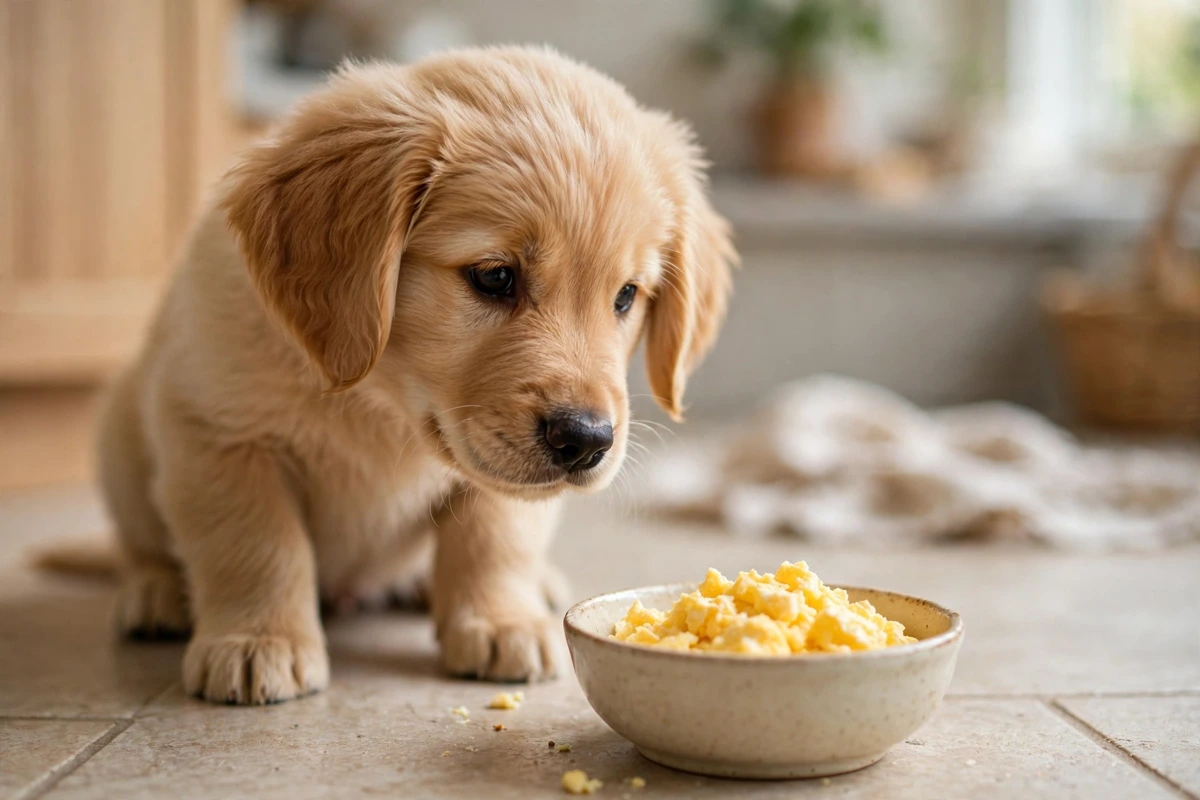
If your puppy stares at your breakfast plate, you may wonder if puppies eat scrambled eggs every single day. Eggs look soft, tasty, and easy to eat. That does not make them a daily puppy food.
Daily eggs can crowd out a balanced growth diet. This guide explains when eggs help, when they do not, and how to serve them in a safe, plain way.
Key Takeaways
- Plain, fully cooked scrambled eggs can be an occasional puppy treat.
- Daily eggs are not a good habit for a growing puppy.
- Keep the portion small, treat-sized, and part of the whole diet.
- Cook eggs plain, with no butter, salt, milk, or seasoning.
- Never serve raw or runny eggs to a puppy.
- Ask your vet about allergies, upset stomachs, or any health worry.
Puppies Eat Scrambled Eggs: The Direct Answer
In short, puppies eat scrambled eggs best as a small, occasional treat, not as a daily food. The eggs must be plain and fully cooked, with no runny parts.
Your puppy’s main food should stay a complete puppy diet made for growth. Eggs add variety, but they do not replace that balanced food.
If eggs become a daily habit, they can unbalance meals and add extra calories. A treat should stay small next to the main diet, and your vet can advise for your puppy.
Are Eggs Safe for Puppies?
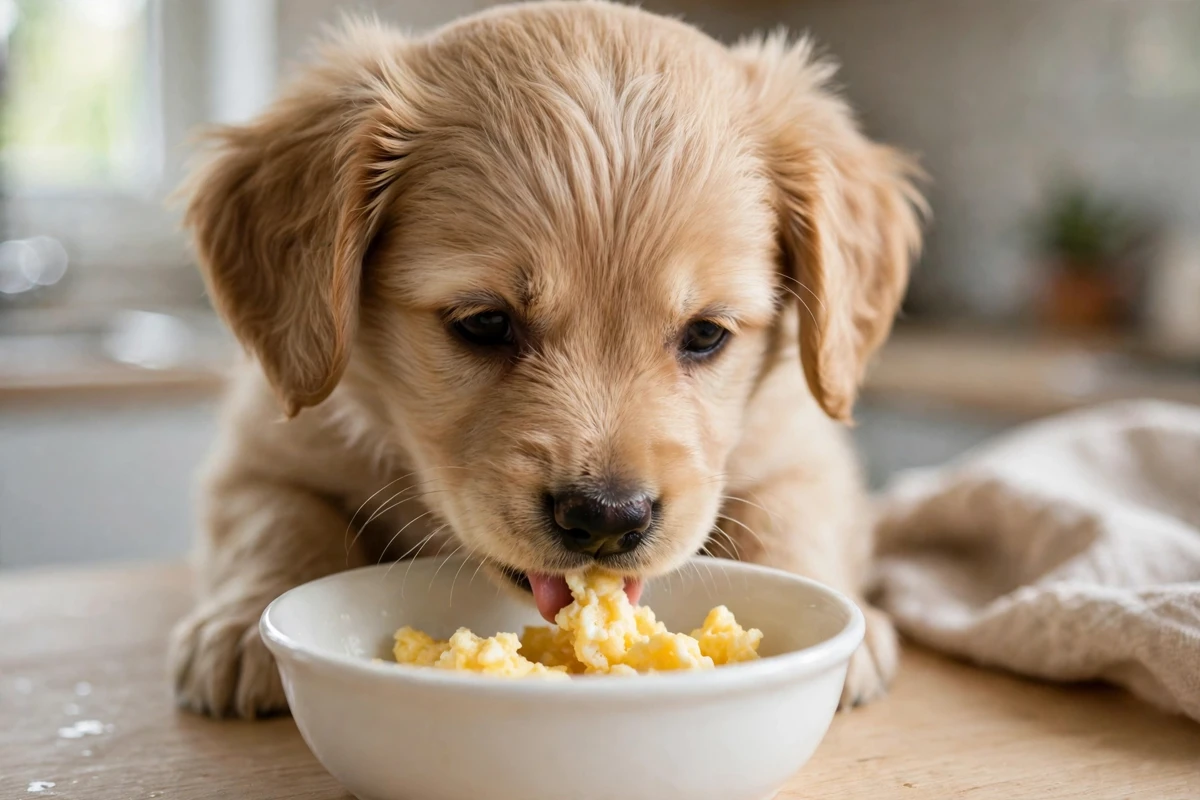
Yes, when they are plain and fully cooked. Eggs give protein and useful nutrients that can support growth, skin, and coat health.
Safety depends on how you cook and serve them. Plain cooking keeps the treat simple and avoids fats and seasonings that can upset a young stomach.
Start with a very small taste. Watch your puppy after that first taste, and stop if you see any sign of trouble.
Cooked Eggs vs Raw Eggs
Cooked eggs are the safe choice for puppies. Cooking through removes runny parts and lowers the risk from harmful bacteria in raw eggs.
Raw eggs can carry salmonella, and young puppies are more at risk from digestive illness. Raw egg white can also affect how the body uses biotin.
For a puppy, the rule is simple. If it is not fully cooked and plain, do not serve it.
Why Daily Eggs Are Not a Good Idea
Eggs are nutritious, but they are not a complete puppy diet on their own. A growing puppy needs balanced calcium, protein, fat, and other nutrients in the right mix.
Daily eggs can fill a puppy up and leave less room for that balanced food. Over time, that can lead to weight gain and a less balanced diet.
Daily eggs can also teach a puppy to wait for toppers and refuse plain food. Variety matters, but the main diet should stay the star of the bowl.
| Situation | A sensible choice |
|---|---|
| First taste | Offer a tiny, plain, cooked taste, then watch for a day. |
| Regular treats | Keep eggs occasional, small, and plain. |
| Sensitive stomach | Skip eggs and ask your vet first. |
| Daily habit | Do not make eggs an everyday food. |
How Often Is Sensible?
Think of eggs like any other treat. They should be occasional, not daily, and always small next to the puppy’s main meals.
That is why puppies eat scrambled eggs only now and then, in a small treat-sized amount. Your vet can help you judge what fits your puppy’s age, size, and health.
If your puppy already gets many treats, eggs should replace one, not add to them. Keep the total treat amount modest across the whole day.
How to Prepare Plain Scrambled Eggs
Plain preparation is the whole point. Keep the steps simple, and do not add extras for flavor.
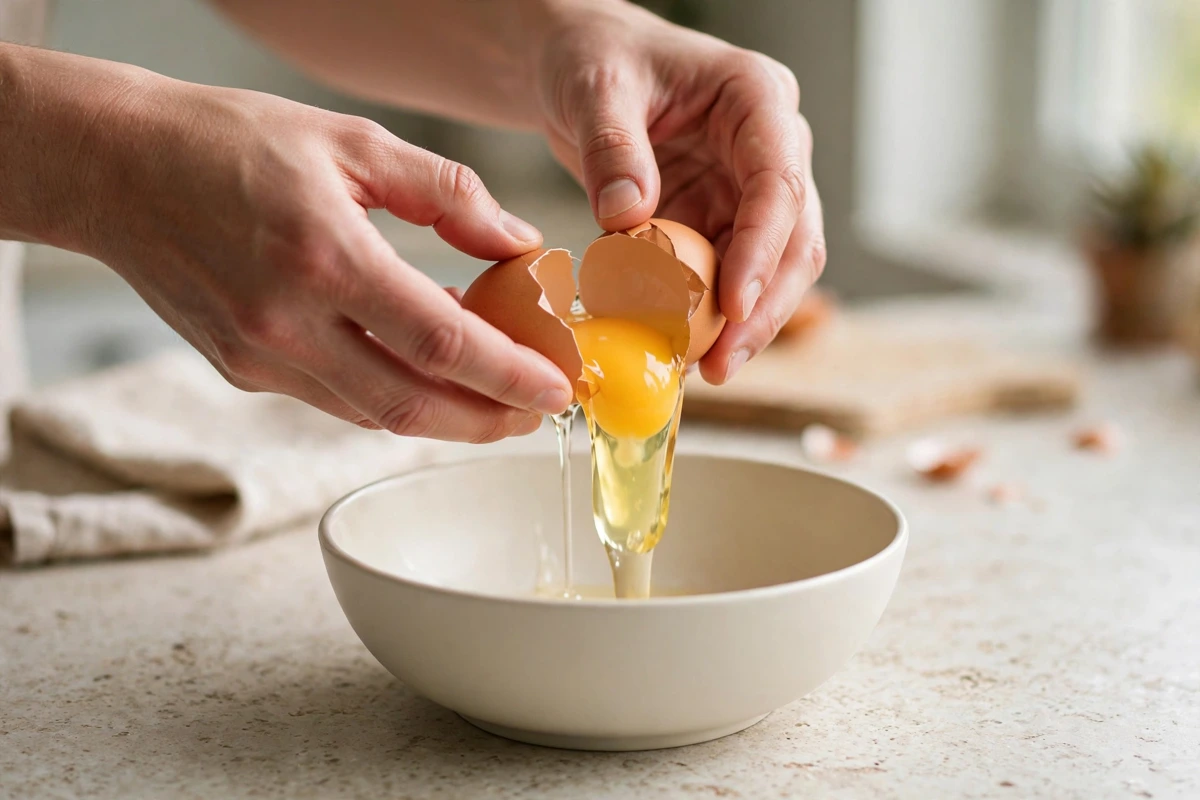
- Crack an egg into a bowl and beat it lightly.
- Pour it into a dry, non-stick pan on medium-low heat.
- Stir gently until it is fully cooked, with no runny parts.
- Let it cool to room temperature before serving.
- Serve a small amount plain, or mix it into regular food.
Cool eggs are safer and more pleasant to eat. Hot food can burn a puppy’s mouth, so always check the temperature first.
What NOT to Add
Many breakfast extras are wrong for puppies. Keep the pan and the bowl plain.
- Butter and cooking oil, which add fat and can upset the stomach.
- Salt, pepper, and seasoning blends.
- Milk and cheese with added salt or flavorings.
- Garlic and onion, which are toxic to dogs.
- Hot sauce, ketchup, and other sauces.
If your pan is not non-stick, a very light wipe may help, but dry cooking is best. When in doubt, choose the plainest method you can.
Signs Eggs Do Not Agree With Your Puppy
After a first taste, watch for changes over the next day. Stop eggs if you see any of these signs.
- Vomiting or diarrhea
- Extra gas or a gurgling stomach
- Itchy skin, red ears, or paw chewing
- Refusing regular food after eating eggs
Mild signs should settle when eggs stop, but persistent vomiting or diarrhea needs prompt vet care. Young puppies can dehydrate fast, so do not wait.
Allergy signs can look like skin or ear trouble. Tell your vet, and do not test eggs again without vet advice.
What About Eggshells?
Eggshells are mostly calcium. For a puppy on a complete diet, extra calcium is not needed and can be risky, especially for large breeds.
Do not add ground shells unless your vet clearly advises it for your puppy. The balanced puppy food already covers calcium needs.
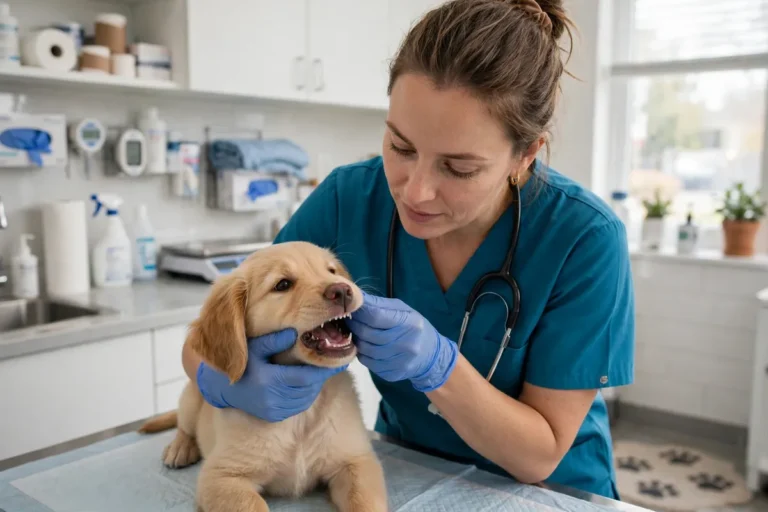
When to Ask Your Vet First
Ask your vet before offering eggs if your puppy has any of these issues.
- A history of pancreatitis or a low-fat diet
- Known food allergies or ongoing digestive problems
- A prescription diet that extras could disturb
- Very young age, low weight, or poor growth
Also ask for help with pain, sudden behavior changes, aggression, or any medical worry. A vet or qualified behavior professional can check for a medical cause first.
Use reward-based training only. Praise and small, safe treats build good habits without fear, and never use shock or prong collars.
Frequently Asked Questions
Can puppies eat scrambled eggs every day?
No, daily eggs are not the best choice. Keep eggs as an occasional, small, plain treat, and let a balanced puppy diet do the main work.
Should I add milk to scrambled eggs for a puppy?
No. Milk can upset some puppies and adds nothing they need from eggs. Cook eggs plain, with no milk, butter, or seasoning.
Are boiled eggs better than scrambled eggs for puppies?
Both can work if they are plain and fully cooked. Boiled eggs skip the pan, while scrambled eggs are easy to serve in small pieces.
Can puppies eat egg yolks?
Yes, cooked yolks are fine in a small, occasional portion. Serve the whole cooked egg plain, in a treat-sized amount.
My puppy ate a raw egg. What should I do?
Watch for vomiting or diarrhea over the next day. Call your vet promptly if signs appear, or if your puppy is very young or unwell.
Can scrambled eggs help a puppy with an upset stomach?
Plain cooked egg can seem gentle, but an upset stomach in a puppy still needs vet advice. Do not use eggs to treat vomiting or diarrhea on your own.
At what age can puppies start eating eggs?
Once a puppy is eating solid food, a tiny taste of plain cooked egg may be fine. Keep it small and occasional, and ask your vet at a checkup if you are unsure.
For calm, reward-based next steps, try these tricks to teach your dog, plan ahead with how to teach an old dog new tricks, and learn how to introduce a new puppy to an older cat.
Reference
American Kennel Club, Can Dogs Eat Eggs? Benefits, Risks, and How to Feed Them.
Still stuck? Get a plan built for your dog.
Answer a few quick questions and get a personalized, force-free training plan in minutes.
Try the Free Dog Tools