How to Clean Puppy Teeth Without a Toothbrush (Safely)
Not every puppy will sit still for a toothbrush, and that is okay. You can clean puppy teeth without toothbrush in safe, simple ways that still help the gums and teeth.
This guide covers the brush-free methods that help most, how to start each one gently, and the warning signs that mean a vet visit is needed instead.
Key Takeaways
- Finger wipes, dental chews, water additives, crunchy foods, and chew toys can all help you clean puppy teeth without toothbrush.
- Soft plaque is easy to disturb at home, but once it hardens into tartar, only a vet cleaning removes it.
- Never use human toothpaste on a puppy, and never force the mouth open.
- Start small, keep sessions short, and reward calm behavior with treats and praise.
- Bleeding gums, bad breath that persists, loose teeth, or trouble eating mean a vet visit, not more home cleaning.
How to Clean Puppy Teeth Without Toothbrush: The Direct Answer
To clean puppy teeth without toothbrush, use gentle wiping, a safe chew, or a water additive, and repeat the routine often. Pick one or two methods your puppy accepts calmly.
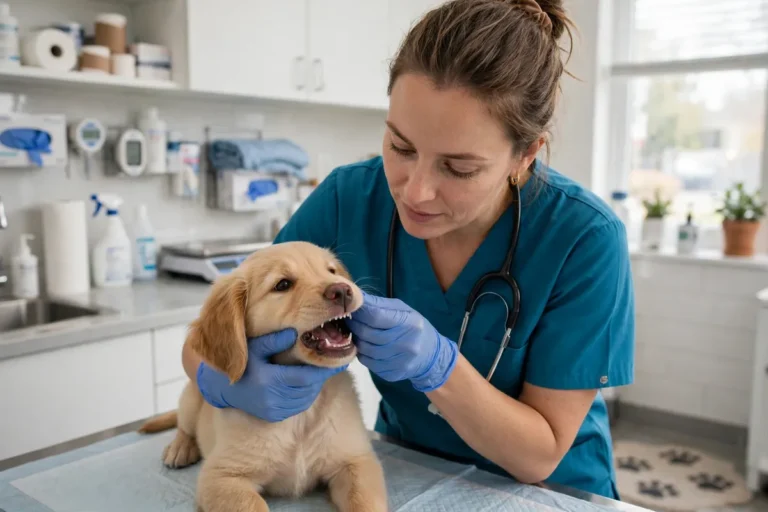
No single method replaces a vet check. Home care works best when it removes soft plaque often and you watch for pain, bleeding, or changes in eating.
Why Puppy Dental Care Matters Early
Puppy teeth grow, fall out, and are replaced by adult teeth. The puppy months are still a good time to build calm mouth habits for life.
Soft plaque forms on teeth after eating. If it is left alone, it can harden into tartar that home care cannot remove.
Gentle daily care also helps your puppy get used to mouth handling. A calm puppy is easier to check, wipe, and later brush.
Brush-Free Methods at a Glance
| Method | How it helps | Good first step |
|---|---|---|
| Finger wipes and gauze | Rubs soft plaque from outer teeth | Touch the lips, then wipe briefly |
| Dental chews | Chewing rubs plaque from teeth | Offer a puppy-sized chew under watch |
| Water additives | Slows new plaque between cleanings | Introduce slowly and watch drinking |
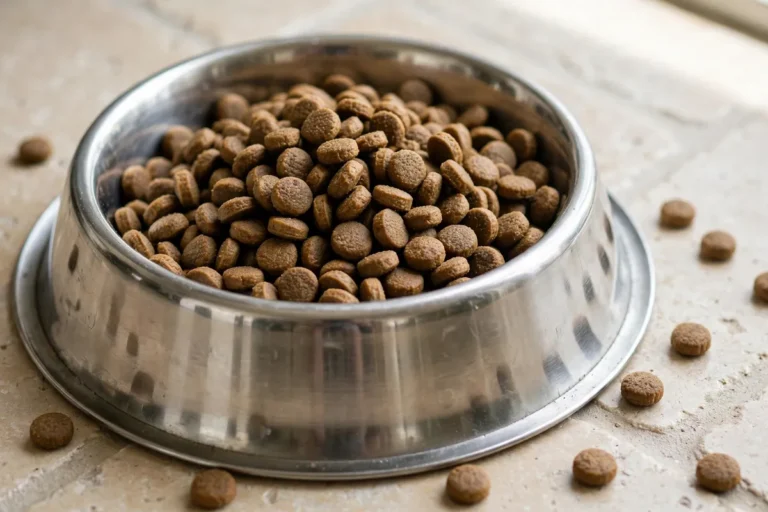
| Crunchy foods | Crunching gives mild scrubbing | Offer a small, safe piece |
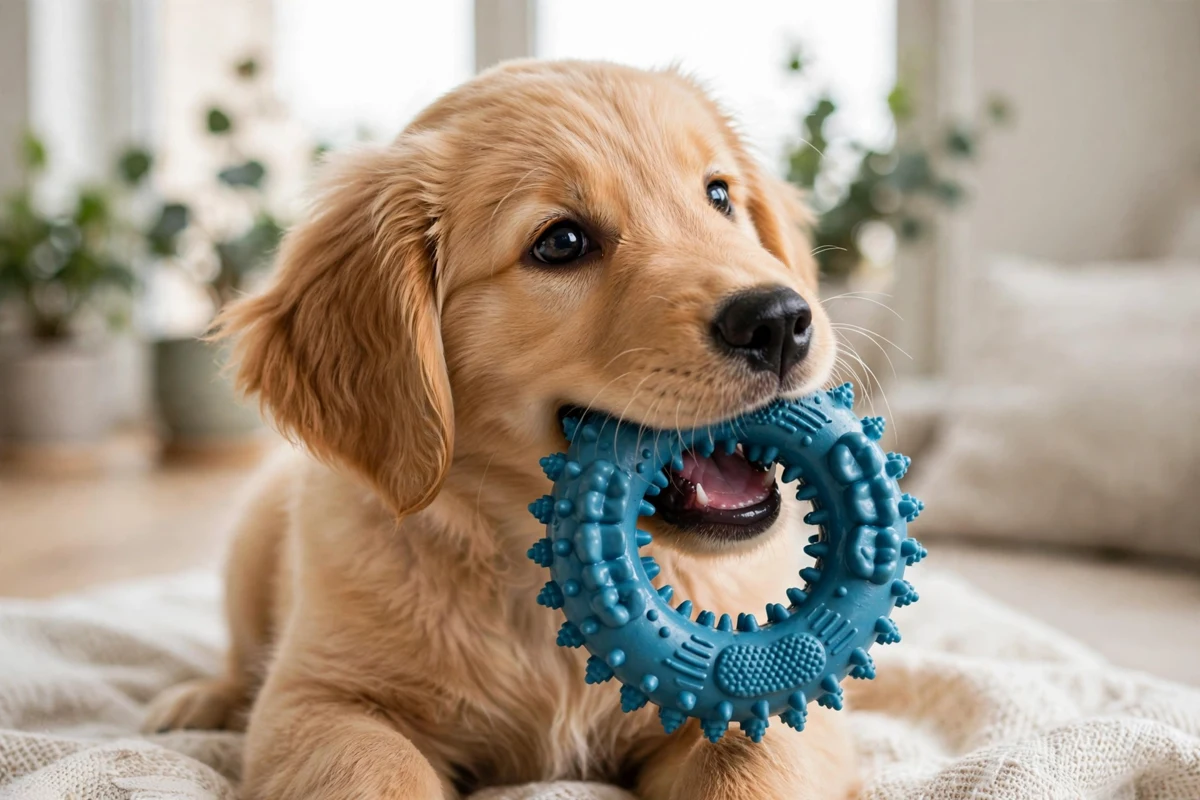
| Chew toys | Chewing cleans while a puppy plays | Choose a soft, puppy-sized toy |
These are the main ways to clean puppy teeth without toothbrush. Each one works best when you start slowly and keep the session short.
Finger Wipes and Gauze
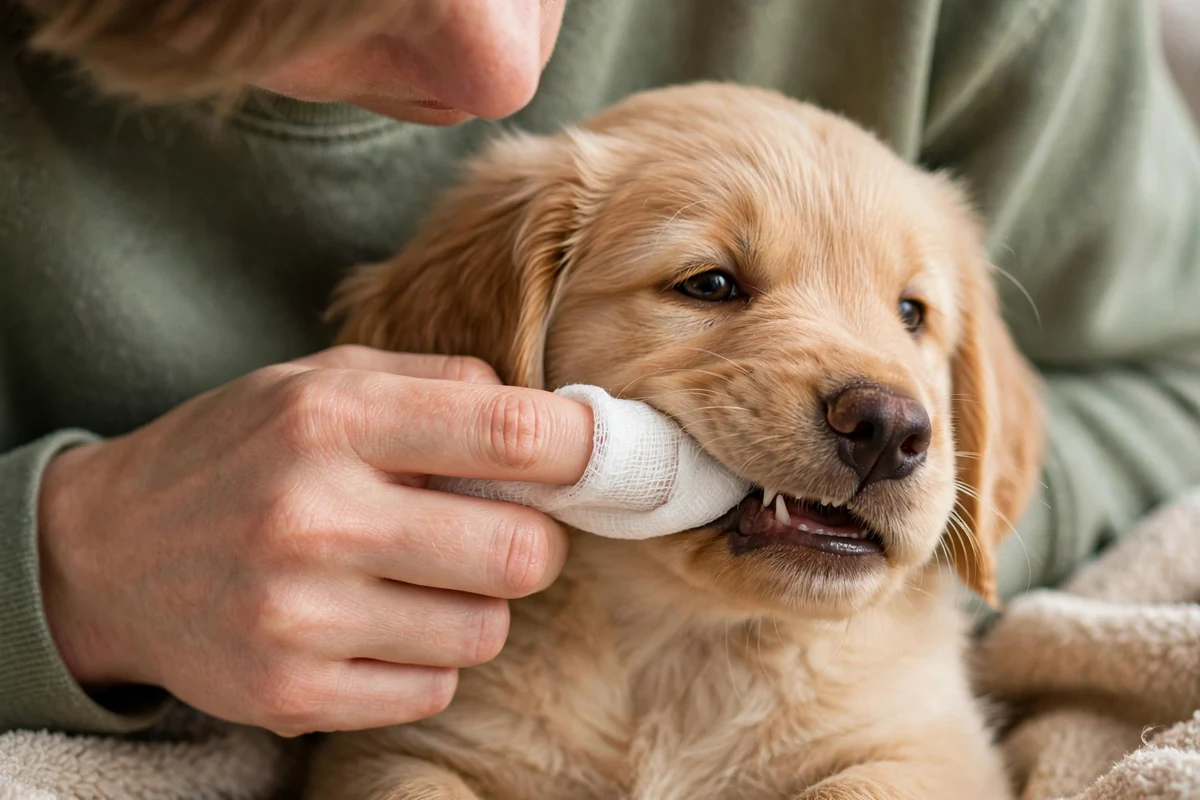
A finger wipe is the closest brush-free method to brushing. Wrap damp gauze or a soft cloth around one finger and rub the outer tooth surfaces gently.
- Start by touching the lips and giving a treat, before you try any wiping.
- Keep the first sessions very short, then build up only if your puppy stays calm.
- Focus on the outer teeth and along the gumline, where plaque builds most.
- Use only a product made for dogs, if you use toothpaste at all. Plain damp gauze still helps.
Stop if your puppy pulls away, freezes, or shows stress. A short, happy try beats a long, forced one.
Dental Wipes
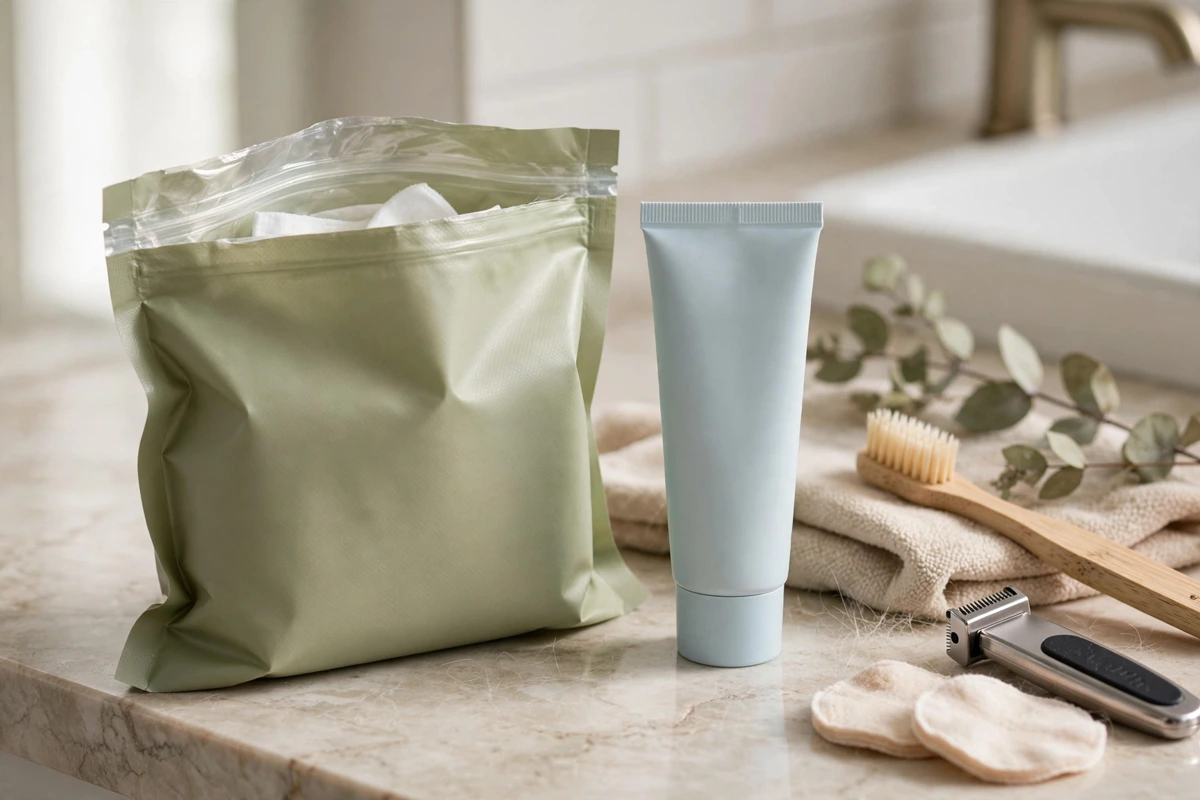
Pre-moistened dental wipes work like gauze, with less fuss. The textured surface grabs soft plaque as you wipe.
Wipe the outer teeth and along the gumline, then throw the wipe away. Wipes are handy for travel or for days when gauze feels awkward.
Dental Chews
Dental chews use chewing action to rub plaque from teeth. Most puppies enjoy them, which makes the routine easy to keep up.
- Choose a chew sized for your puppy’s age, weight, and jaw.
- Watch every chew session and take the chew away when it gets small enough to swallow.
- Count chews as treats, so the daily treat total stays small.
- Avoid very hard chews, bones, antlers, and hooves for puppies, because they can crack teeth.
If your puppy gulps chews, drops food, or chews on one side only, stop and ask your vet for advice.
Water Additives
Water additives are liquids made for a dog water bowl. They can help slow new plaque between wiping or chewing sessions.
- Introduce the additive slowly and watch how much water your puppy drinks.
- If drinking drops, go back to plain water and ask your vet before you try again.
- Use water additives as support, not as a replacement for wiping or chewing.
- Ask your vet first if your puppy has a health problem or takes medicine.
A puppy that drinks well and eats well is a good sign. A sudden change in drinking still needs vet advice.
Crunchy Foods as Treats
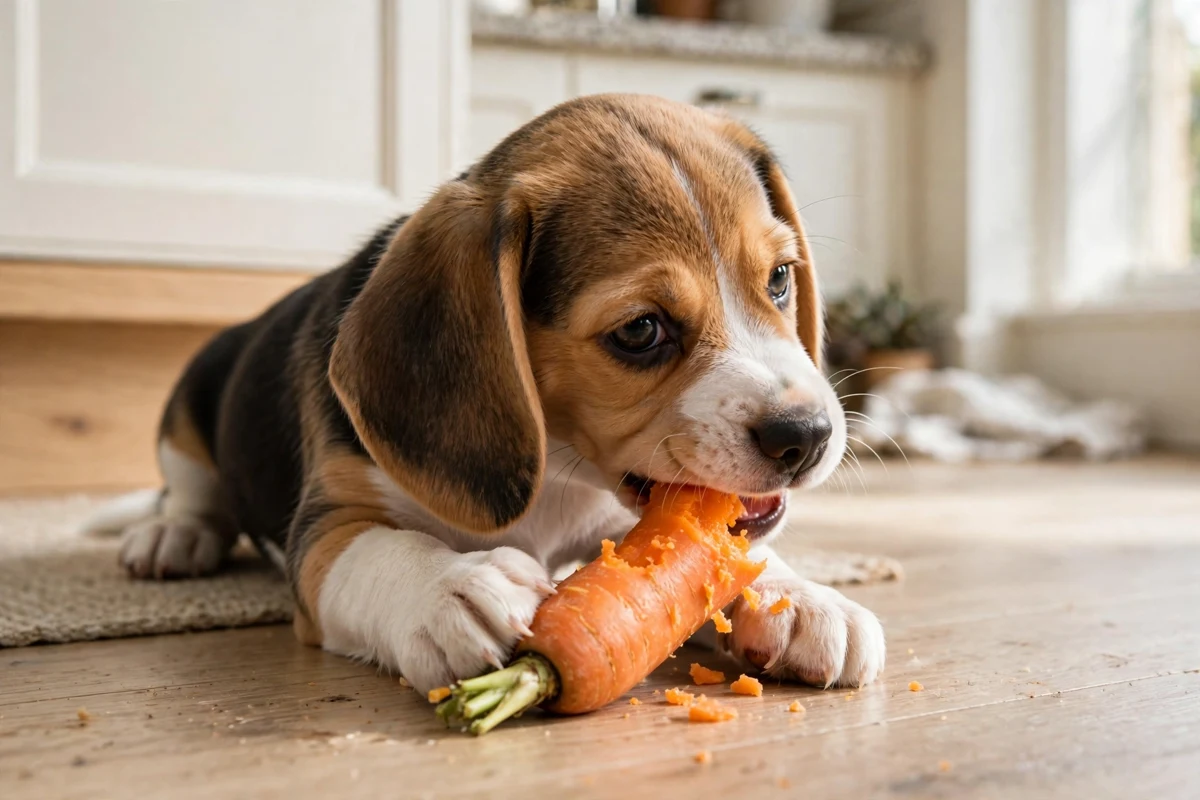
Crunchy foods give mild scrubbing as a puppy crunches them. Raw carrot pieces, apple slices without seeds, and celery are simple examples.
Keep pieces small and stay close while your puppy eats. Crunchy treats help the routine, but they do not replace wiping or chewing.
Food treats should stay small and plain. For one common treat question, see our guide on can puppies eat scrambled eggs daily.
Chew Toys
Textured rubber toys and rope toys give safe chewing action. Chewing can also soothe a teething puppy and give the mouth useful work.
- Choose a toy that fits your puppy’s mouth and is not too hard.
- Check toys often for torn pieces, and throw away a damaged toy.
- Rotate toys to keep chewing fun, and watch play at first.
- Remove any toy piece that could be swallowed.
Chewing should look relaxed and happy. If chewing turns frantic or painful, stop and try a softer toy or a wipe instead.
Dental Sprays and Gels
Dental sprays and gels are rubbed along the gumline with a finger. They can support other methods, but they do not remove plaque on their own.
Use them with wiping or chewing, not instead of them. If your puppy hates the taste or pulls away, switch to a method your puppy accepts.
How to Introduce Each Method Gently
- Let your puppy sniff the wipe, chew, or toy first, and reward calm interest.
- Touch the lips briefly, give a treat, and end the session.
- Add a very short wipe or a short chew session the next day.
- Build up slowly over days, and keep every step easy to win.
- End on a calm note, even if the session was very short.
Use praise, treats, and a calm voice only. Never scold a puppy for pulling away, and never hold a puppy down to finish a session.
What NOT to Do
- Human toothpaste. It is not made to be swallowed, and dogs cannot spit it out.
- Baking soda or salt. These can upset the stomach and are too harsh for a puppy’s mouth.
- Hard bones, antlers, or hooves. These can crack puppy teeth and adult teeth.
- Forcing the mouth open. Forcing creates fear and makes the next session harder.
- Stringy or very small toys. These can be swallowed during eager chewing.
- Training through pain or fear. Stop and ask your vet if your puppy shows pain, fear, or a sudden change.
A Simple Daily Routine
| Time | Do this |
|---|---|
| Morning | Offer a safe chew or chew toy under watch |
| Evening | Do a short finger wipe, with treats and praise |
| Through the day | Keep fresh water available, with an additive only if your puppy drinks well |
Pick a routine you can repeat. A short routine done often helps more than a long routine done once in a while.
Build Toward Brushing Later
Brush-free care can also train your puppy for later brushing. Handle the lips and muzzle in short, happy sessions with treats and praise.
- Touch the lips and muzzle, then reward.
- Lift a lip briefly, then reward.
- Rub gauze along the outer teeth, then reward.
- Try a soft puppy brush later, only when your puppy is calm about gauze.
Keep the goal small at first. The outer surfaces of the upper teeth are a good place to start.
When Tooth Problems Need Vet Attention
See your veterinarian promptly if you notice any of these signs:
- Broken teeth, loose teeth, or discolored teeth
- Bleeding gums, or red and swollen gums
- Bad breath that persists
- Refusal to eat, dropping food, or chewing on one side
- Drooling, pawing at the mouth, or pain when chewing
- Tartar you can see as a brownish crust near the gums
These signs can point to gum disease, infection, or a tooth problem that home care cannot fix. Do not try to treat them with more wipes or chews.
If your puppy shows pain, a sudden change in behavior, or new aggression, ask your vet first. After medical causes are checked, a qualified behavior professional can help with handling or fear.
Frequently Asked Questions
At what age should I start cleaning my puppy’s teeth?
Start gentle mouth handling as soon as your puppy settles in, and add short wipes or safe chews when teeth are in. Ask your vet at a checkup for timing that fits your puppy.
Are dental chews safe for puppies?
Yes, when they are sized for a puppy and given under watch. Choose a soft, puppy-sized chew, avoid rock-hard items, and remove the chew when it gets small.
Can I use water additives every day?
Only if your puppy drinks normally and your vet agrees it fits your puppy. If drinking drops, stop the additive and use plain water until you get vet advice.
What if my puppy will not let me near the mouth?
Go back to an easier step. Touch the lips, reward, and stop. Try again the next day, and ask a vet or behavior professional if fear or pain is part of the problem.
Why does my puppy’s breath smell bad?
Mild puppy breath can be normal. Foul breath that persists, especially with red gums, drooling, or trouble eating, needs a vet check.
Do puppies still need a vet dental check?
Yes. Your vet checks teeth at puppy visits and can spot retained baby teeth, tartar, or gum problems early. Home care supports that care, but it does not replace it.
Pick two methods your puppy enjoys, keep sessions short and rewarding, and build calm habits with these tricks to teach your dog and how to teach an old dog new tricks, so you can clean puppy teeth without toothbrush with confidence.
Reference
American Kennel Club, Dog Dental Care: What to Know.
Still stuck? Get a plan built for your dog.
Answer a few quick questions and get a personalized, force-free training plan in minutes.