

Pug Breathing Heavy When Sleeping: What’s Normal and What’s Not
Pug breathing heavy sleeping is a common worry for new pug owners. The night sounds can range from soft snores to loud, effortful breathing. This guide helps you tell the difference in simple terms.
This guide is general information only. It does not diagnose your pug, and it does not replace veterinary advice. When in doubt, contact your vet sooner rather than later.
Pug Breathing Heavy Sleeping: The Direct Answer
In short, pug breathing heavy sleeping is often soft, steady snoring that settles as your pug rests. It becomes a concern when breathing looks like hard work, will not settle, or comes with other warning signs.
Soft snoring alone does not tell the whole story. Look at the pattern across several nights, not just one noisy night. Note whether your pug settles, sleeps soundly, and wakes bright and comfortable.
Key Takeaways
- Some snoring is common in flat-faced pugs, but labored breathing is not something to ignore.
- Soft, rhythmic snoring with restful sleep is more reassuring than gasping or restlessness.
- Blue or pale gums, collapse, and breathing that will not settle need urgent vet care.
- A cool room, a comfortable sleeping position, and a healthy weight can help in general terms.
- Never use human remedies, and never punish noisy breathing or restlessness.
- For pain, a sudden change, or a medical concern, ask your vet promptly.
Why Pugs Breathe the Way They Do in Sleep
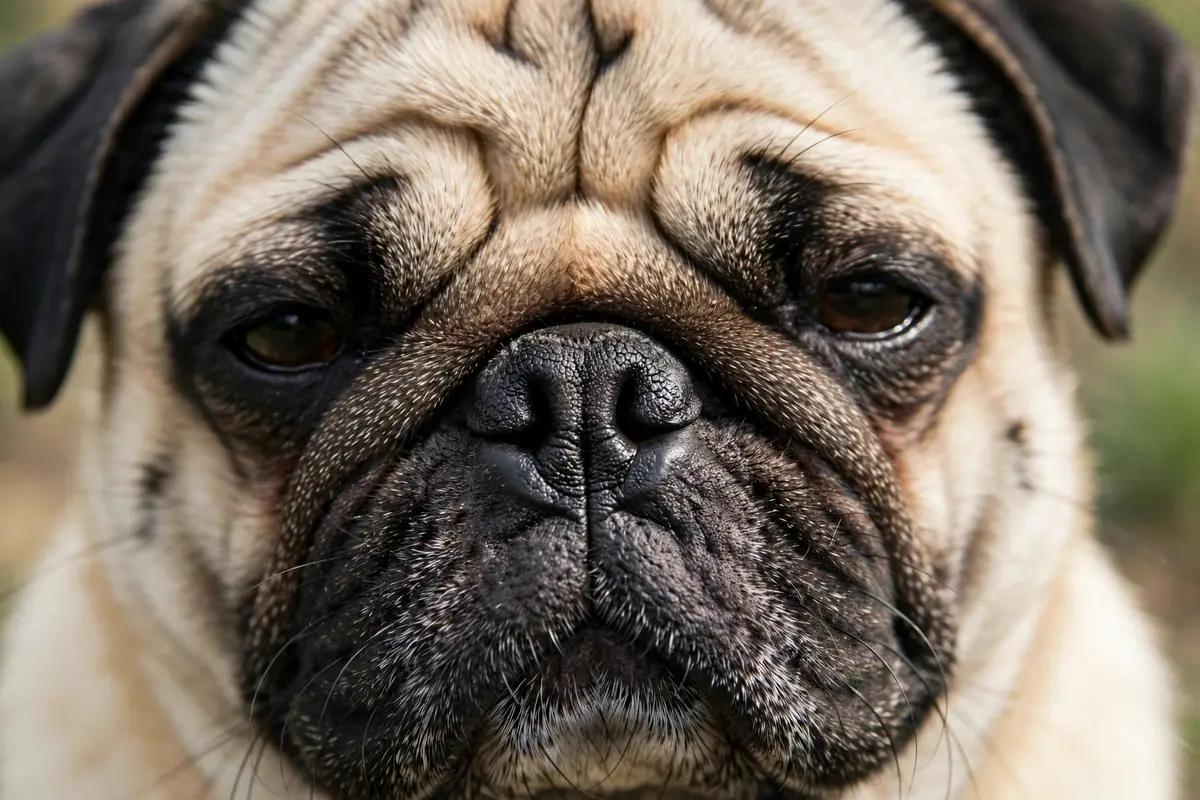
Pugs are brachycephalic, which means flat-faced. Their shorter skull shape can leave less room for air to move freely. That is why their breathing can sound noisy even when they are resting.
During sleep, throat muscles relax. That relaxation can narrow the airway a little more, so snoring may get louder at night. Dream sleep can also bring brief twitches, small sounds, and faster breathing that settles again.
That is why pug breathing heavy sleeping can sound louder than you expect. Louder does not always mean urgent, but effort matters more than volume alone. Watch how hard your pug seems to work to breathe.
- Narrow nostrils: less room for air at the very entrance to the nose.
- Extra soft tissue at the back of the throat: tissue that can move and partly narrow the airway.
- A narrower windpipe in some dogs: less room for air to pass through.
You cannot change your pug’s face shape at home. You can, however, support easier sleep with a calm routine, a cool room, and good weight management in general terms.
Normal vs Warning Sleep Breathing Signs
Think in patterns, not single sounds. A pug that snores softly, sleeps in one spot, and wakes happy looks different from a pug that struggles all night.
| What you may notice | What it may suggest | Next step |
|---|---|---|
| Soft, steady snoring | Often part of flat-faced sleep | Keep notes and watch the pattern |
| Brief snorts when shifting position | Often a normal shift in sleep | Let your pug settle again |
| Dream twitches with brief faster breathing | Often normal dream sleep | Watch that it settles quickly |
| Gasping or open-mouth breathing in sleep | Warning sign to note | Contact your vet promptly |
| Long pauses, then sudden gasps | Warning sign to note | Contact your vet promptly |
| Restlessness or sitting up to breathe | Warning sign to note | Contact your vet promptly |
| Blue or pale gums, or collapse | Urgent warning sign | Seek emergency vet care at once |
Sleep Setup Basics
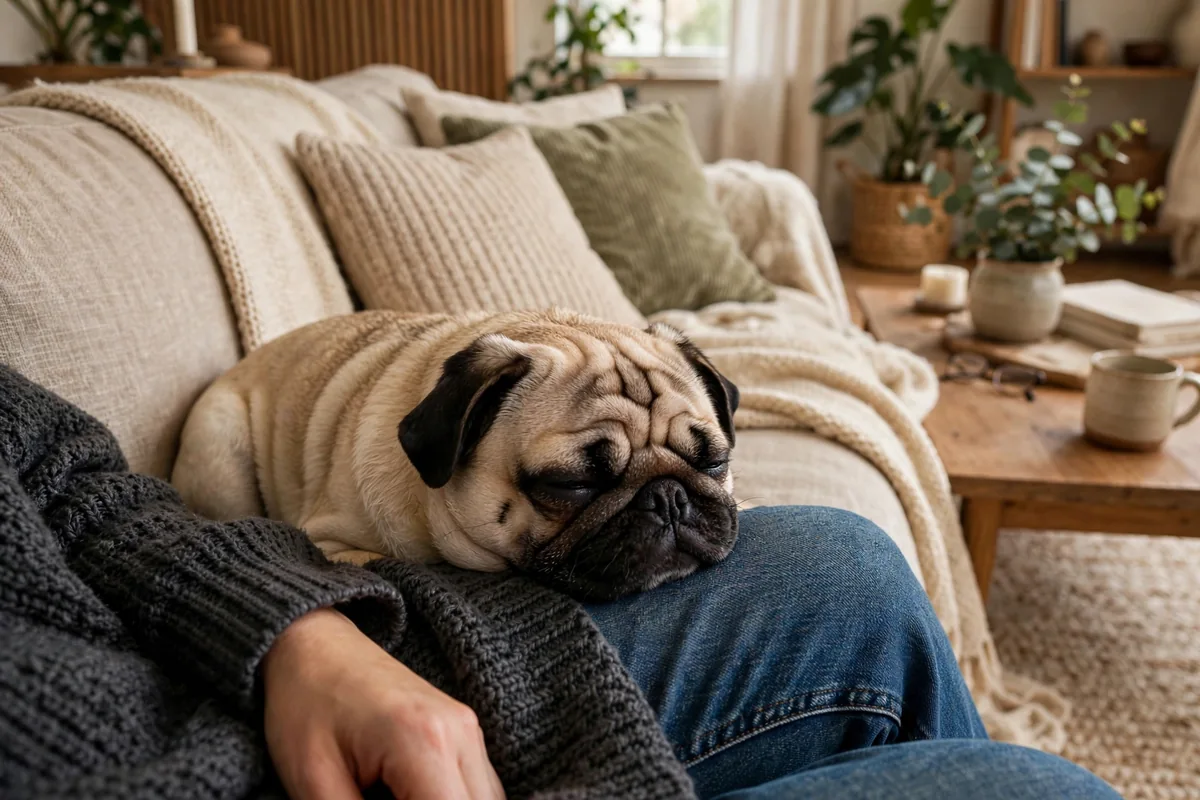
For pug breathing heavy sleeping, start with the room. Keep the bedroom cool and well aired, but not cold. Warm, stuffy air can make breathing feel harder for a flat-faced dog.
Let your pug choose a comfortable sleeping position. Some pugs rest better with the head slightly raised on a low pillow or a raised bed edge. Never force a position, and never prop your pug in place.
Keep the bed low, clean, and easy to reach. A calm bedtime routine helps too, with gentle play earlier in the evening and a quiet wind-down before sleep.
Weight matters in general terms. Extra weight around the neck and chest can make breathing harder, so ask your vet about healthy weight and feeding if you are unsure.
Use a well-fitted harness for walks instead of pressure on the neck. Keep evening walks gentle and in cooler parts of the day when you can.
Keep the sleeping area free of smoke and strong fragrances. Wipe dried discharge from the nose gently with a damp cloth only if needed, and do not probe inside the nostrils.
Offer fresh water during the day, and keep the routine steady. Sudden changes in food, routine, and sleep setup at once can make patterns harder to read.
What NOT to Do
- Never ignore worsening sleep breathing, and never assume it is just how pugs are.
- Never use human remedies, sleep aids, or medicine meant for another dog.
- Never punish snoring, restlessness, or night waking. Use calm praise for settling instead.
- Never use shock or prong collars, and never use fear-based methods.
- Never block the airway, cover the nose, or force your pug to sleep in one position.
- Never delay urgent vet care while trying home fixes for labored breathing.
When Sleep Breathing Needs Urgent Vet Attention
Seek emergency vet care at once if you see any sign below. Keep your pug cool and calm, and call ahead if you can.
- Labored breathing that looks like hard work, with the belly heaving or nostrils flaring.
- Blue or pale gums or tongue.
- Collapse, fainting, or extreme weakness.
- Severe gasping, or breathing that will not settle in a cool, quiet room.
- A sudden change in breathing, energy, or alertness that worries you.
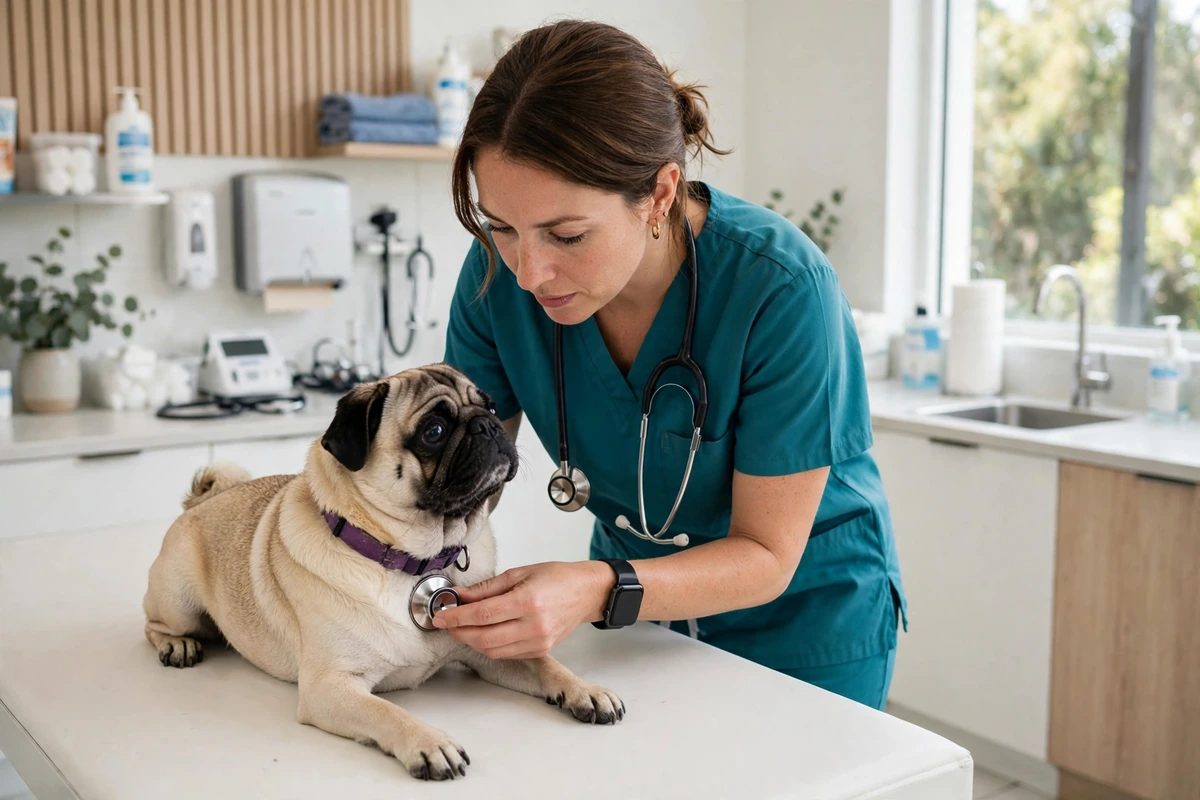
For less urgent but new or worsening patterns, book a vet visit soon. Bring notes about timing, position, and what else you noticed.
What to Note for Your Vet
Short notes help your vet more than one worried memory. Note the pattern over a few nights if your pug is otherwise bright and settled.
- When heavy breathing starts, and how long it lasts.
- Whether it happens on the back, on the side, or in every position.
- What happens before sleep, such as heat, play, or a late meal.
- Drinking, eating, toilet habits, coughing, and energy the next day.
- Gum color and breathing effort, if you can check them safely.
For pain, sudden change, aggression, or a medical concern, ask your vet about a referral to a vet or a qualified behavior professional.
Frequently Asked Questions
Is pug breathing heavy sleeping normal for every pug?
No, not in the same way for every pug. Some soft snoring is common, but labored breathing is not normal just because a dog is flat-faced. Compare your pug with its own usual pattern, and ask your vet about changes.
Why does my pug snore more on its back?
Sleep position can change how air moves through a flat-faced airway. Some pugs snore more on their backs and settle better on their sides or with the head slightly raised. Let your pug choose, and note which position seems easiest.
Why does my pug breathe faster during dreams?
Dream sleep can bring twitches, small sounds, and brief faster breathing. That pattern often settles quickly on its own. If fast breathing lasts, looks labored, or comes with gasping, note it and contact your vet.
Can weight affect my pug’s sleep breathing?
Yes, in general terms. Extra weight can add pressure around the neck and chest and make breathing harder. Ask your vet for a healthy weight plan rather than changing food sharply on your own.
Should I wake my pug if breathing sounds heavy?
Do not startle a sleeping pug with a sudden touch. Speak softly first, and watch whether breathing settles as your pug wakes and moves. If breathing stays labored, or you see urgent signs, seek vet care at once.
When should I book a vet visit?
Book a visit for new, regular, or worsening heavy breathing in sleep. Book sooner for a pug that is restless, sits up to breathe, or has changed in energy, appetite, or comfort.
The Bottom Line
When pug breathing heavy sleeping changes, gets harder, or will not settle, trust the pattern and contact your vet. Keep the room cool, the routine calm, and notes simple, and praise your pug for settling.
For related BreedFix guidance, see our guides to dog panting at night, care for a blind senior dog at home, and signs a puppy is drinking too much water.
Reference
Reference: American Kennel Club, Overheating in Dogs: Signs, Symptoms, Prevention. This article is general information only, and it is not veterinary advice.
Still stuck? Get a plan built for your dog.
Answer a few quick questions and get a personalized, force-free training plan in minutes.
Try the Free Dog Tools