German Shepherd Puppy Ear Taping Guide: How to Do It at Home Safely
If your German Shepherd puppy’s ears still flop while other puppies’ ears stand up, you may wonder if taping can help.
This german shepherd puppy ear taping guide explains when to wait, when to ask your vet, and how support is usually discussed.
Taping is support, not a guarantee. Many German Shepherd ears stand on their own with age, and taping does not guarantee an outcome.
Ask your vet or breeder before taping. Stop and get vet help for swelling, redness, smell, pain, or ears that worsen.
Key Takeaways
- Most ears stand naturally between 4 and 6 months, often after teething ends.
- Consider taping only after teething, and only with vet guidance.
- Never tape sore, infected, or injured ears, and never tape tightly.
- Check ears weekly, let them breathe, and stop when they stand alone.
- Floppy ears are not a health defect, and many dogs live happily with them.
- Use praise and calm handling only, with short, kind sessions.
German Shepherd Puppy Ear Taping: The Direct Answer
In short, german shepherd puppy ear taping is a vet-guided support option, not a required step for every puppy.
Wait through teething first, because many ears stand on their own by 5 to 6 months.
If ears stay down after teething, ask your vet whether short-term support makes sense for your puppy.
Why German Shepherd Puppy Ears Flop
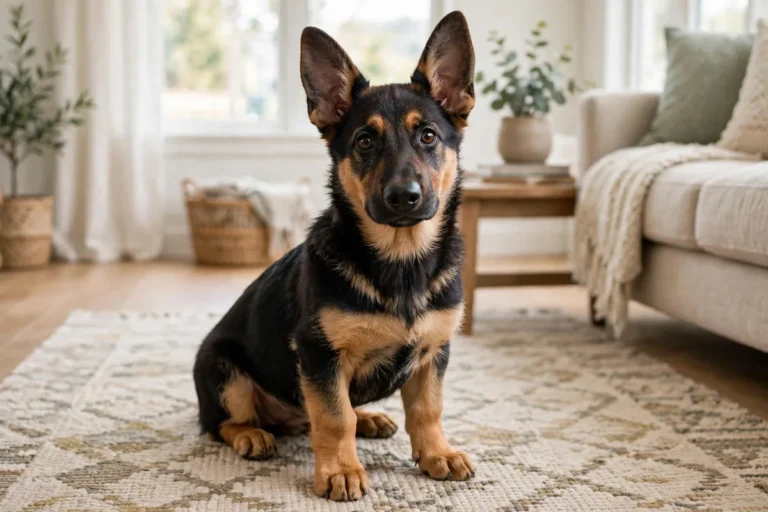
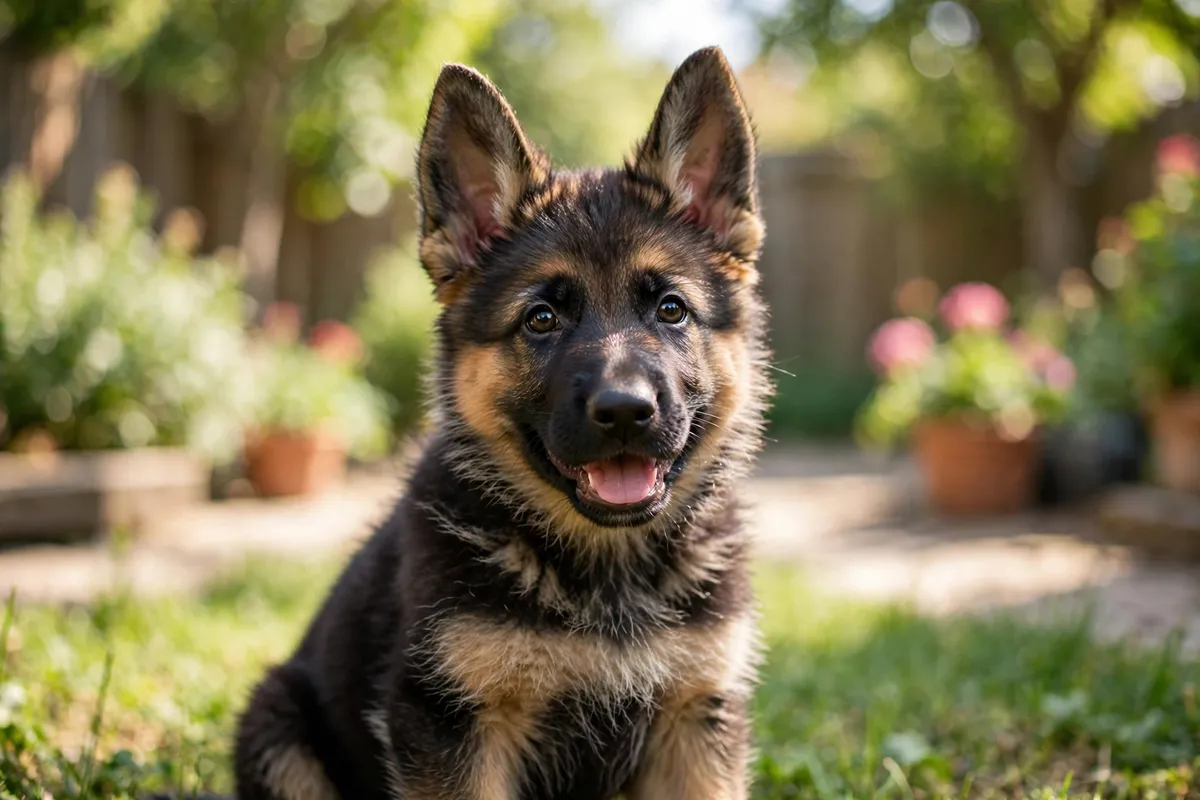
German Shepherd puppies are born with soft, folded ears and weak ear cartilage.
As cartilage firms up, ears may rise, fall, or stand one at a time.
Teething around 4 to 5 months often brings a temporary flop, even in puppies whose ears stood before.
| Ear stage | What you may see | What to do |
|---|---|---|
| 6 to 8 weeks | Folded ears that move a little | Wait and watch |
| One up, one down | Uneven ears that change day to day | Wait and watch |
| During teething | A temporary flop at 4 to 5 months | Wait through teething |
| After teething | Ears still down at 5 to 6 months | Ask your vet |
When Ears Usually Stand on Their Own
Many puppies show erect ears by about 16 weeks, but wide variation is normal.
Most ears stand by 5 to 6 months, once teething is complete.
Some puppies take longer, and a slow start alone does not mean a problem.
Good growth care matters too, so our guide to feeding a 3-month-old German Shepherd can help you plan steady puppy meals.
If ears stood and then suddenly drop outside teething, ask your vet promptly, because sudden change needs checking.
When Taping Is Even Considered
Consider german shepherd puppy ear taping only after teething, when ears remain down and your vet agrees it is suitable.
Do not start before about 10 weeks, when ears are still too immature for support.
After 8 to 9 months, taping is less likely to help, because cartilage has largely set.
Your breeder may also know what is typical for your puppy’s bloodline, so ask them too.
Vet First, Always
Before any german shepherd puppy ear taping, ask your vet to check the ears and show you what is safe for your puppy.
Taping is never risk-free, and it is never required for a healthy, happy puppy.
If your vet advises against taping, follow that advice and let the ears develop as they will.
Stop and get vet help if you see any of these signs:
- Swelling, redness, or sores on the ear
- Smell, discharge, or constant head shaking
- Pain, crying, or ears that worsen
- A sudden change outside teething
What You Will Need
Gather everything before you start, and ask your vet to confirm the items suit your puppy.
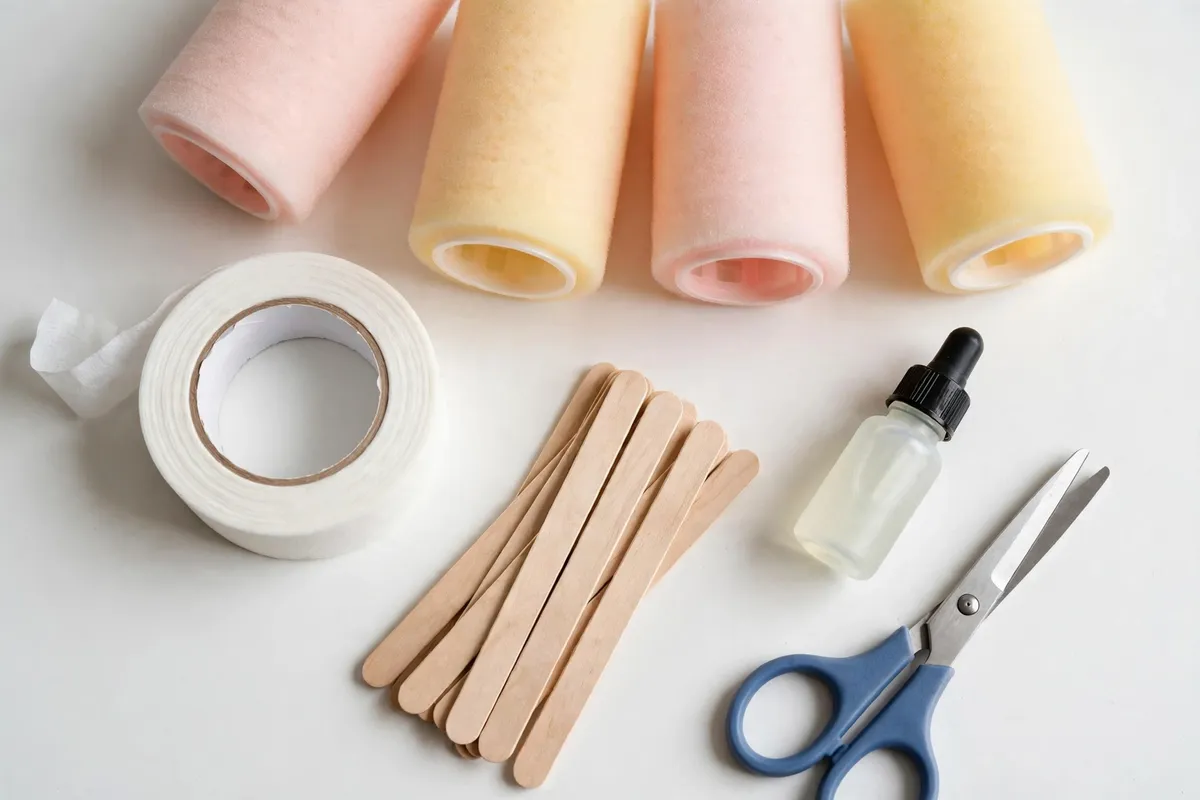
- Large foam hair rollers or foam backer rod of similar size, for ear support.
- White surgical tape, breathable and gentle on skin.
- One popsicle stick or craft stick, only if your vet advises a bridge.
- Skin-safe adhesive, only if your vet advises it.
- Blunt-tipped scissors for trimming tape.
- A helper, if possible, because puppies are wiggly.
- Treats to reward calm cooperation.
Do not buy duct tape, electrical tape, packing tape, or masking tape, because they can injure skin and coat.
A General Taping Overview, With Vet Guidance
During german shepherd puppy ear taping, keep sessions short, calm, and gentle, and stop if your puppy is stressed.
Only follow steps your vet has agreed to and shown you for your puppy.
- Vet check first. Confirm the ears are healthy and taping is suitable.
- Clean and dry. Clean the outer ear only as your vet advises, then let it dry fully.
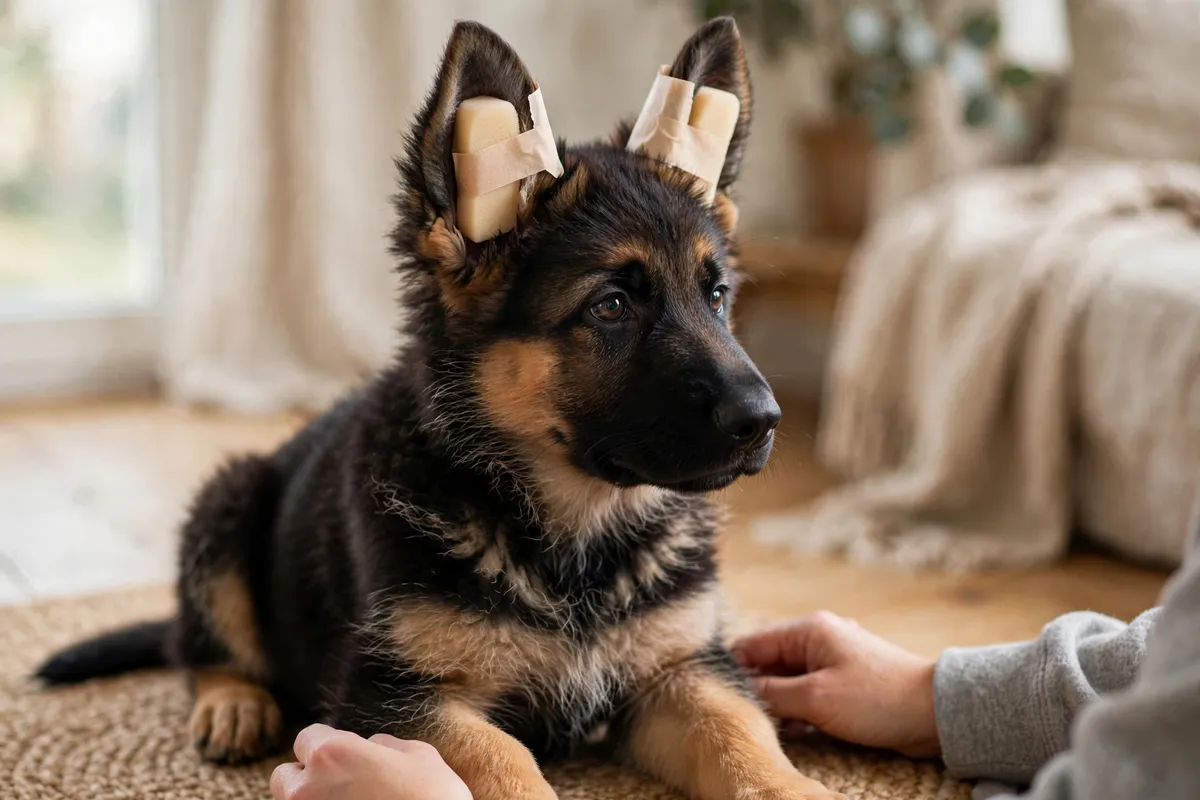
- Place support gently. Place foam support in the ear pocket, never deep in the canal.
- Wrap loosely. Wrap the ear smoothly around the support, with no folds.
- Tape snugly, never tightly. Tape from base toward tip, without bulging skin.
- Bridge only if advised. Use a stick bridge only if your vet advises it.
- Distract and supervise. Praise calm behavior and watch your puppy closely.
If tape feels tight, the ear swells, or your puppy cries, remove it and call your vet.
How Long Taping Is Typically Discussed
Taping is usually discussed in short cycles, with a full check about once a week.
Remove tape, let ears breathe for a few hours or a full day, then check whether they stand alone.
Many puppies that respond need a few weeks of support, but your vet should guide the total time.
Stop when ears stand on their own, and do not re-tape ears that stand independently.
| Weekly check | What to look for | Action |
|---|---|---|
| Redness, swelling, or smell | Sore or worsening ears | Remove tape and call your vet |
| Ears stand alone | Upright ears without support | Stop taping |
| Ear flops again | One or both ears drop | Ask your vet before re-taping |
What NOT to Do
- Never tape tightly, and never tape over sore, infected, or damp skin.
- Never push support deep into the ear canal.
- Never leave tape unchecked for weeks.
- Never ignore smell, swelling, pain, or discharge.
- Never use duct tape, electrical tape, or household glue.
- Never punish pawing or fussing, and never use shock or prong collars.
Use positive reinforcement only. Praise calm behavior, keep sessions short, and never use shock or prong collars.
When to Stop and Call the Vet
Stop taping and call your vet for swelling, redness, smell, discharge, pain, or ears that worsen.
Also seek vet help for sudden ear changes, pain, aggression when handled, or a puppy that seems unwell.
For pain, sudden changes, or aggression, ask your vet or a qualified behavior professional for guidance.
Quiet pain signs can be easy to miss, and our guide to signs of joint pain in senior small dogs shows how subtle changes can matter.
What If Only One Ear Stands Up?
One ear up and one down is very common, and it often resolves with time.
Tape only the ear that needs support, if your vet advises it, and leave the standing ear alone.
What If the Ears Never Stand Up?
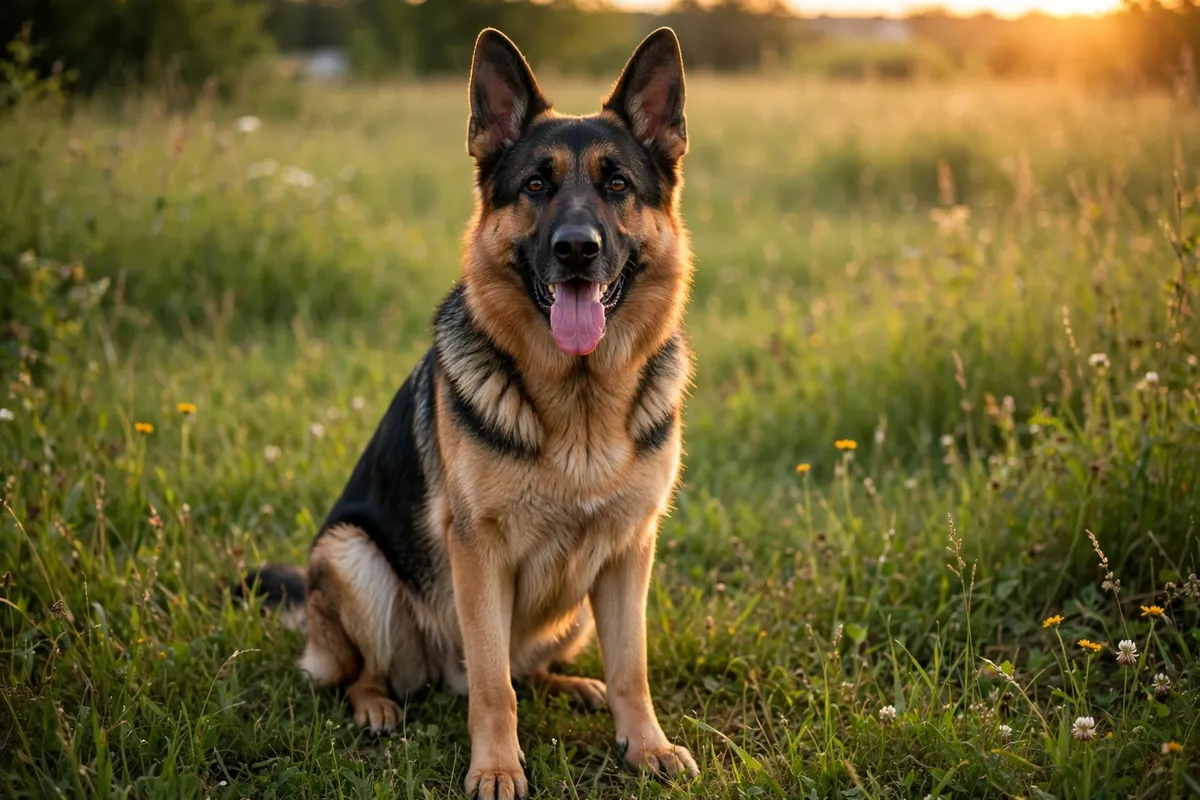
Sometimes ears stay soft, even with careful timing and vet guidance.
Genetics and ear thickness can affect the result, and floppy ears are not a health defect.
If ears have not stood by 8 to 9 months, accept them as they are and enjoy your dog.
Frequently Asked Questions
At what age should German Shepherd puppy ears stand up?
Most German Shepherd puppies have erect ears by 5 to 6 months, once teething is complete.
Some get there earlier, while others take the full period.
Is ear taping painful for puppies?
Taping should not be painful when done gently with breathable tape and vet guidance.
If your puppy cries, paws frantically, or an ear swells, remove the tape and call your vet.
How long do you leave ear tape on?
Check and replace it about once a week, with air time between applications.
Stop once ears stand on their own.
Can I use regular tape instead of surgical tape?
No. Use only breathable surgical tape, and ask your vet which product suits your puppy.
Duct tape and electrical tape can injure skin and coat.
What if only one ear stands up?
This is very common. Support only the ear that needs help, if your vet advises it.
Does taping guarantee ears will stand?
No. Taping does not guarantee an outcome, and many ears stand on their own with age.
Ask your vet before starting, and stop if problems appear.
What should I do if my puppy seems distressed while taping?
Stop, remove tape if needed, and call your vet. Our guide to French Bulldog breathing explains normal versus abnormal sounds, but it does not replace a vet check.
The Bottom Line
Wait through teething, ask your vet first, check ears weekly, and love your puppy whether ears stand or flop.
This guide gives general information only and is not a substitute for veterinary advice.
Reference
American Kennel Club, German Shepherd Dog.
Still stuck? Get a plan built for your dog.
Answer a few quick questions and get a personalized, force-free training plan in minutes.
Try the Free Dog Tools