French Bulldog Breathing Sounds: Normal vs Abnormal Signs
French Bulldogs often snort, snore, grunt, and honk. Many owners hear these sounds every day and wonder which ones are normal.
This guide explains french bulldog breathing in plain terms, without guessing a diagnosis. It covers common sounds, warning signs, and calm daily care.
Please note: This article gives general information only. It is not veterinary advice. If you are unsure, contact your vet.
Key Takeaways
- Soft snoring in deep sleep, excited snorting, and brief reverse sneezing are often normal.
- Loud breathing at rest, blue or pale gums, collapse, and fainting are urgent warning signs.
- New, louder, or constant sounds deserve a vet check, even if your dog seems bright.
- Keep your Frenchie lean, cool, and exercised gently. Heat is a daily risk to manage.
- Use praise and calm handling only. Never use shock or prong collars.
French Bulldog Breathing: The Direct Answer
In short, french bulldog breathing is often noisy because air moves through a short, narrow airway. Soft, occasional sounds during sleep or excitement are often normal.
Loud breathing at rest, breathing that will not settle, blue or pale gums, collapse, or fainting are urgent warning signs. Get vet help at once for those signs.
Why Frenchies Sound the Way They Do
French Bulldogs are brachycephalic, which means short-headed. Their faces are flat, and their airways are shorter than those of longer-nosed dogs.
That narrow path helps explain why french bulldog breathing can sound loud even when a dog is calm. Air moves faster through a smaller space, so it makes more noise.
Heat and over-exercise can make breathing harder. Panting cools dogs, but a short airway may cool less well, so warm days need extra care.
Common Sounds at a Glance
Listen for pattern and timing, not for one sound alone, when you think about french bulldog breathing. A brief sound tied to sleep or excitement differs from a constant sound.
| Sound | What you may hear | What it may mean in general terms |
|---|---|---|
| Snoring | Soft, rhythmic noise in deep sleep | Often normal in sleep, if it stays soft and rhythmic |
| Snorting | Short, sharp bursts when excited | Often linked to excitement or pulling on a lead |
| Reverse sneezing | Rapid inward honks, neck stretched | Often brief, but frequent episodes need a vet check |
| Wheezing | High-pitched whistling sound | Needs a vet check, especially if new or persistent |
| Grunting and snuffling | Low grunts while settling or playing | Often normal if brief and the dog stays relaxed |
- Snoring: Soft snoring in deep sleep is common. Snoring while awake, or snoring that is new and louder, deserves a vet check.
- Snorting: Snorting often follows excitement or lead pressure. A well-fitted harness can reduce pressure on the neck.
- Reverse sneezing: This can look alarming, yet many episodes are brief. Stay calm and speak softly during an episode.
- Wheezing: Wheezing is different from a snort. It can sound thin and whistling, and new wheezing should prompt a vet call.
- Grunting: Brief grunts while settling are often normal. Grunting that is constant or paired with effort is not.
During reverse sneezing, do not force the mouth open. If the episode is long, repeats often, or comes with other signs, contact your vet.
Normal Sounds and Warning Signs
Normal sounds tend to be brief and linked to a clear trigger. Warning signs tend to be new, constant, or linked to effort at rest.

- Soft snoring during deep sleep that stays rhythmic.
- Brief snorting during excitement or play.
- Small grunts while settling down for a rest.
- Louder breathing right after play that settles with rest.
- Occasional reverse sneezing that ends quickly.
- Loud breathing while simply resting.
- Labored breathing after mild exercise in cool weather.
- Constant open-mouth breathing at rest.
- Less stamina, lagging on walks, or long recovery times.
- Restless sleep with frequent position changes or sudden waking.
- Frequent gagging, retching, or trouble settling after eating.
A change in french bulldog breathing matters more than one noisy moment. New loudness, new timing, or less stamina are useful clues for your vet.
If coughing or gagging comes with noisy breathing, read our guide to dog coughing and gagging for general signs to note. It does not replace a vet check.
When Breathing Sounds Need Urgent Vet Help
Stop and get emergency vet help if you see any sign in this table. Do not wait to see if it passes.
| Sign | Why it matters in general terms |
|---|---|
| Blue, purple, or pale gums or tongue | Possible low oxygen |
| Collapse or fainting during or after activity | Possible serious oxygen or heart issue |
| Open-mouth breathing that does not stop with rest and cooling | Possible airway or heat emergency |
| Gasping with neck extended and chest heaving | Possible severe airway trouble |
| Breathing that will not settle | Needs urgent assessment |
| Coughing up foam or pink froth | Needs urgent assessment |
For pain, a sudden change, or aggression linked to breathing trouble, ask your vet or a qualified behavior professional for help. Keep the dog cool and calm while you seek help.
What Is BOAS?
BOAS means Brachycephalic Obstructive Airway Syndrome. It is a general term for breathing difficulty linked to a short, flat face.
Signs can range from mild noise to clear trouble with exercise and rest. Only a vet can assess severity and talk through options in general terms.
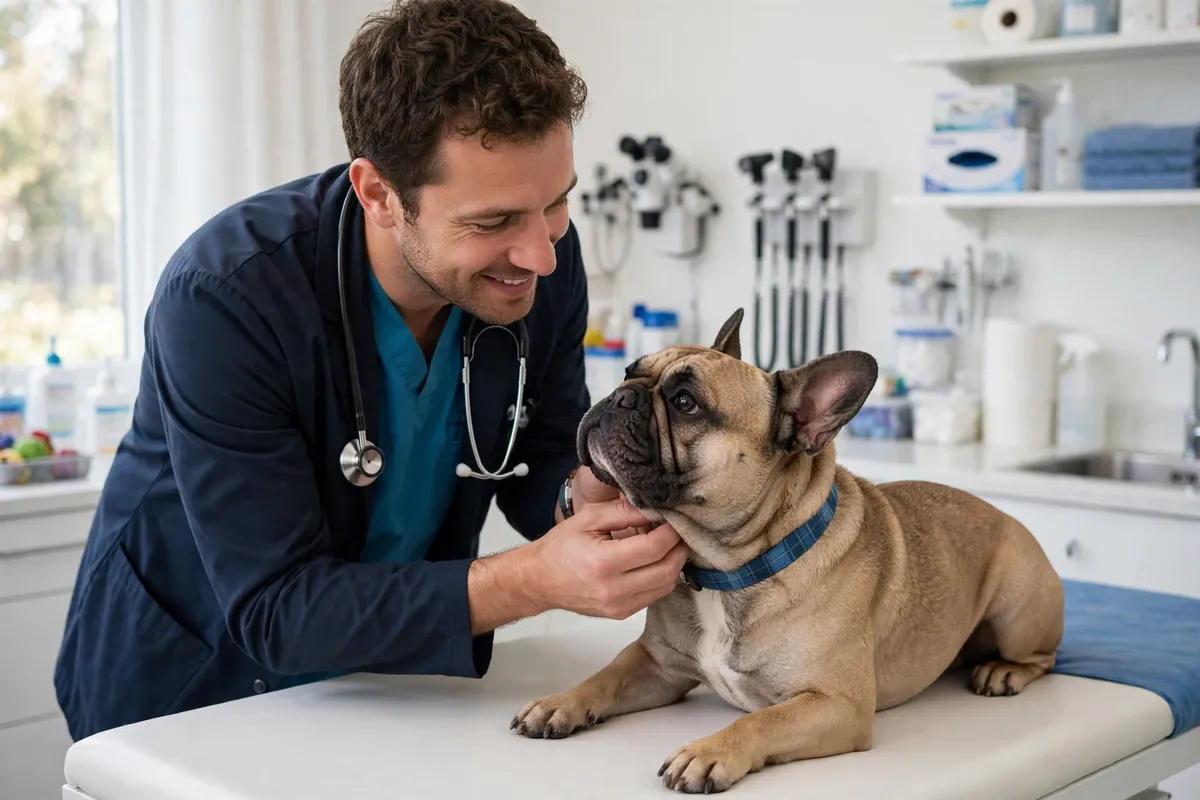
If your vet mentions BOAS, ask about a referral to a vet with experience in brachycephalic breeds. Ask what signs to watch for at home.
Daily Care Basics
Small daily choices can make french bulldog breathing easier to manage, but they cannot change the shape of the airway. Keep routines calm, short, and cool.
- Weight: Keep your Frenchie at a healthy weight for their frame. Extra weight can add pressure around the neck and chest.
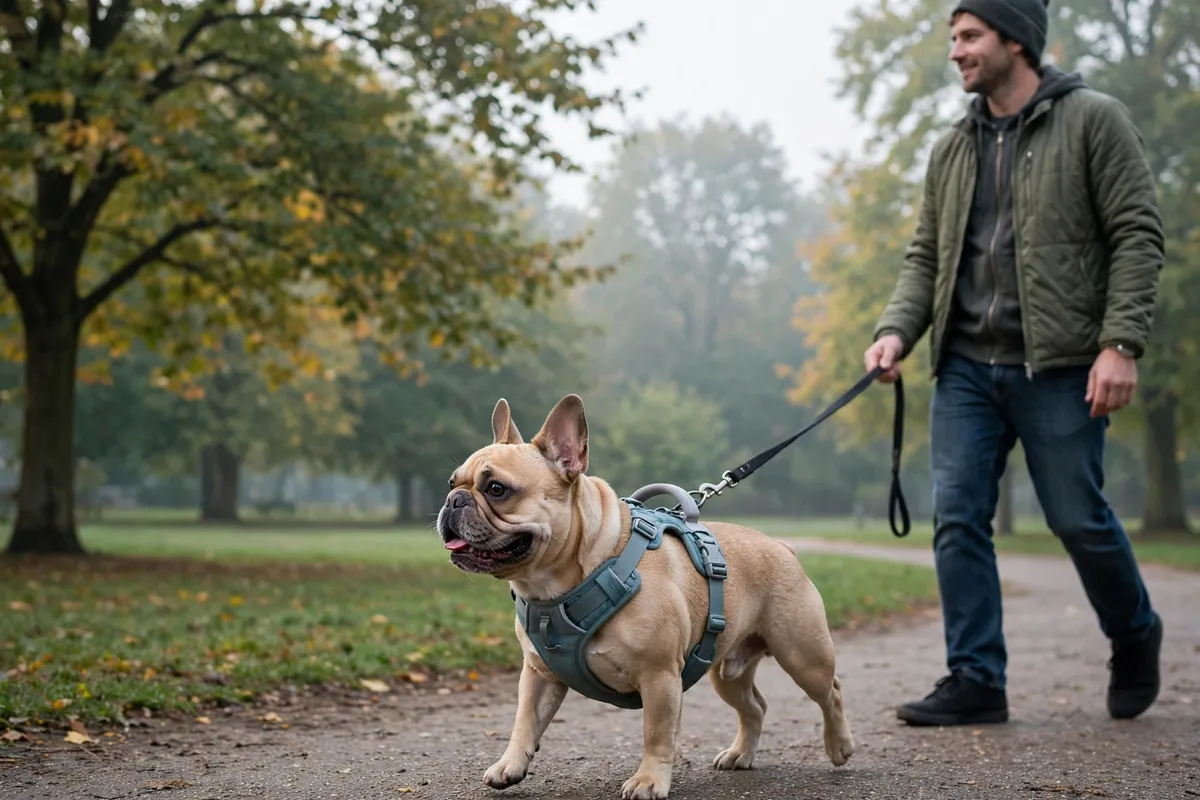
- Harness: Use a well-fitted harness instead of a collar for walks. This reduces direct pressure on the neck.
- Exercise: Walk in the cool parts of the day and keep sessions short. Stop early if breathing becomes labored.
- Heat: Offer shade, fresh water, and rest on warm days. Never leave a Frenchie in a hot car or closed room.
- Calm greetings: Keep arrivals calm and play gentle. Big excitement often brings the loudest breathing.
- Routine checks: Keep up with regular vet checks. Gradual changes are easier to spot over time.
During a calm weekly check, look at the outer ears only. Our guide to how to clean dog ears safely explains gentle outer-ear care.
What NOT to Do
- Do not over-exercise your Frenchie in heat.
- Do not ignore sounds that are getting worse.
- Do not punish noisy breathing, coughing, or restlessness.
- Do not use shock or prong collars, or force a frightened dog to keep going.
- Do not give human medicines without vet instruction.
- Do not use dominance or alpha framing. Use praise, calm redirection, and short, kind sessions.
Breathing at Night and in Sleep
Soft snoring in deep sleep is common for Frenchies. The sound should stay rhythmic and should not wake the dog often.
Restless sleep can be a clue to watch. Frequent position changes, sudden waking, or noisy breathing all night deserve a vet check.
Keep the sleeping area cool, quiet, and well ventilated. A raised bed or a calm corner can help some dogs settle more easily.
Frequently Asked Questions
Is it normal for French Bulldogs to snore?
Soft snoring during deep sleep is normal and common in the breed. Snoring while awake, during exercise, or in heat is a reason to call your vet.
What does reverse sneezing sound like in a French Bulldog?
Reverse sneezing sounds like rapid honking or inward snorts, with the neck stretched out. Episodes are often brief, but frequent or long episodes need a vet check.
Why does my Frenchie breathe so loudly when excited?
Excitement raises the breathing rate, and faster air through a narrow airway sounds louder. Brief loudness that settles with calm rest is often less worrying than constant loudness.
At what point is French Bulldog snoring a vet issue?
When it is new, louder than before, happens while awake, or comes with less stamina or restless sleep. Share a short note about timing and triggers with your vet.
What should I do if my Frenchie wheezes?
Call your vet and describe when the wheezing started and what came before it. Do not try to diagnose the cause from sound alone at home.
Can BOAS be helped?
Your vet can talk through general options, which may include weight and lifestyle care, monitoring, or referral for surgical assessment in some cases. Only a vet can advise on your dog.
Are blue gums always an emergency in French Bulldogs?
Yes. Blue, purple, or pale gums can signal low oxygen and need urgent vet help. Do not wait to see if the color returns on its own.
The Bottom Line
Most Frenchie sounds are part of life with a flat face, but pattern and change matter most. Soft, brief sounds are often normal, while loud rest breathing and urgent signs need prompt vet help.
Keep walks cool and short, praise calm behavior, and if itchy skin or scratching is also part of the picture, see our guide to dog itchy skin home remedies for gentle comfort ideas, while your vet leads any health plan.
When in doubt, ask your vet, and keep notes about french bulldog breathing so you can describe the change clearly.
Reference
American Kennel Club, French Bulldog – Dog Breed Information.
Still stuck? Get a plan built for your dog.
Answer a few quick questions and get a personalized, force-free training plan in minutes.