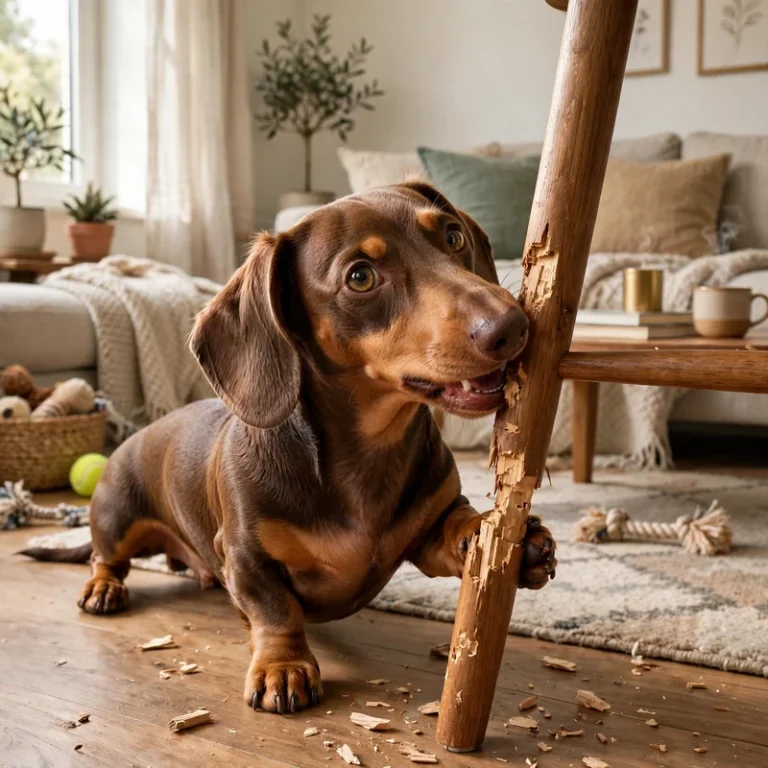
Why Does My Dog Dig in the Couch? (And How to Stop It)
You sit down with your coffee, and there he is: your dog, front paws working a cushion like a construction crew, rear end wagging, totally ignoring your existence. A dog digging in the couch can test anyone’s patience, but here’s the good news: this is one of the most normal behaviors in the canine repertoire.
And it’s fixable without turning your living room into a battleground.
The key is understanding *why* your dog is doing it, because the fix for boredom is very different from the fix for anxiety.
Key Takeaways
- Couch digging is almost never spite. It’s usually nesting instinct, comfort-seeking, boredom, scent marking, burying “treasures,” or stress.
- The fastest fix is redirection, not punishment: give the instinct a legal outlet (a dig box or snuffle mat) while the couch becomes boring and less accessible.
- If the digging is constant, panicky, or paired with other destructive behavior, talk to your vet about anxiety.
Why Dogs Dig in the Couch
Dogs don’t dig furniture to ruin your day. Every version of this behavior traces back to something that makes perfect sense to a dog. Work through the reasons below and see which one sounds like your dog. The diagnosis drives the fix.
Once you know what’s behind your dog digging in the couch, the fix becomes obvious.
1. Nesting and denning instinct. This is the big one. Long before sofas, dogs’ wild ancestors flattened tall grass into a safe resting spot: scratch the ground, tamp it down, spin in a circle, curl up.
Many dogs run that same program on cushions: the scratch-scratch-turn before settling down is the living-room version of that ancient routine.
2. Comfort-seeking and self-soothing. Couches are warm, soft, and smell like the people your dog loves most. For some dogs, digging is just how they settle: they fluff the cushion the way you plump a pillow.
Once a dog has turned one spot into “their” nest, the habit tends to stick.
3. Scent marking. Your dog’s paws carry scent glands: sweat glands on the pads and scent-producing glands between the toes. This kind of chemical signaling is a normal part of dog behavior, playing a role in territorial marking and communication between dogs.
When your dog digs at the couch, they’re rubbing that scent deep into the fabric. Translation: “This spot is mine.”
Multi-dog households sometimes see more of this, as each dog refreshes their claim.
4. Burying treasure. Dogs cache things. If your dog digs at the couch and then noses a toy, chew, or treat under a cushion, they’re “burying” it for later.
The couch is just the softest available ground. Check under the cushions; if you find a stash of toys, you have your answer.
5. Boredom and under-stimulation. A dog with an under-exercised body and an under-worked nose will invent hobbies, and couch excavation is a fine one if you’re a dog.
This is especially common in terriers, Dachshunds, Huskies, and other breeds with strong digging drives, but any bored dog can take it up.
If the digging happens when the house is quiet and nobody’s engaging with your dog, boredom is the prime suspect.
6. Anxiety and stress. Digging can be a stress valve. Dogs dealing with separation anxiety, household changes (new baby, new pet, moving furniture), or loud noises may dig frantically to discharge that tension.
Anxiety digging usually looks different: more frantic, often paired with panting, pacing, whining, or destructive behavior elsewhere. We’ll cover when this needs professional help below.
7. Medical discomfort. This one gets missed. A dog that digs restlessly and can’t settle (circling, shifting, digging, lying down, getting up) may be trying to get comfortable because of arthritis, itchy skin, or another physical discomfort.
If the digging is new in an older dog or comes with other changes, rule out pain with a vet visit before assuming it’s a training issue.
Quick check: which one is your dog?
- Scratches a few times, then lies down → nesting/comfort. Mostly harmless.
- Digs, then noses toys or treats into the cushions → burying treasure.
- Digs when the house is quiet and nobody’s engaging → boredom.
- Frantic digging, panting, destructive → anxiety or medical. Keep reading.
How to Stop Your Dog Digging in the Couch: The Step-by-Step Plan
Step 1: Give digging a legal outlet

The dig box. Fill a large cardboard box or low-sided tub with shredded newspaper, old towels, or ball-pit balls. Hide treats in it and let your dog discover that digging *here* pays.
This is the single highest-value change for a dedicated digger: it preserves the instinct and spares the furniture.
The snuffle mat. A mat with fleece strips woven through it (or a rolled-up towel with treats folded into the layers) gives nose-diggers the same satisfaction: forage, sniff, uncover. Use one at meal times a few days a week.
The sand pit option. If you have a yard, section off a small sandbox and bury toys in it. Trainers consider this the gold standard for committed outdoor diggers.
Step 2: Drain the tank (exercise + mental work)

Boredom digging drops fast when the dog’s day fills up. Add one sniffy walk, the kind where the dog sets the pace and sniffs everything, plus 10 minutes of mental work (training, puzzle feeders, scatter-feeding kibble in the grass).
For enrichment ideas, see our guide on how to calm a dog down, which doubles as an enrichment checklist.
Step 3: Make the couch boring and less accessible
- Clean out the treasure. Vacuum between and under the cushions. Removing crumbs and stashed toys removes the payoff and weakens the habit.
- Supervise and redirect early. The goal is to catch the first scratch, not the fifteenth. When the paws start going, cheerfully interrupt and redirect to the dig box or a toy, then reward the dog for using it.
- Temporarily limit access. While you’re retraining, close the living room door or use a baby gate when you can’t supervise. This isn’t punishment. It’s preventing rehearsal while the new habit forms.
- Try a washable cover. A thick, washable furniture cover protects the fabric and makes the texture less rewarding to dig at. Some dogs lose interest when the surface changes.
Step 4: Teach “off” and “place”

Give your dog an incompatible job. Teach “off” (all four paws on the floor, generously rewarded) so you can interrupt couch time politely. Then teach “place” (go to your bed and settle, rewarded with a chew or stuffed Kong).
Step 5: For anxious diggers, build a calm routine
If stress is driving your dog’s digging in the couch, training mechanics alone won’t fix it. Add a predictable daily routine (dogs relax when they know what comes next), a quiet den-like resting spot (crate with the door open and a comfy bed), and calm departure/arrival rituals.
If the digging is severe or paired with destructive behavior when you’re away, see the section on when to call a professional.
What NOT to Do When Your Dog Digs the Couch
Don’t punish after the fact. Rubbing your dog’s nose in a torn cushion or yelling when you discover the damage teaches nothing. To connect a consequence to an action, it has to happen *within a second or two* of the behavior.
This is a well-established principle in animal learning, reflected in the American Veterinary Society of Animal Behavior’s position statement on punishment.
All a late scolding teaches your dog is that you’re unpredictable and scary, which can *increase* anxiety-driven digging.
Don’t use aversives on the couch. No shock mats, no yelling, no startle traps.
Aversive tools can suppress the behavior while the device is present, but they don’t teach your dog what to do instead, and they risk creating fear of the couch, the room, or you.
The plan above works without them.
Don’t turn it into a chase game. Laughing at the digging, or lunging at the dog while shouting “no!” reads to many dogs as a fantastic game. The attention (even annoyed attention) can reward the behavior. Stay calm, redirect, reward the alternative.
Don’t punish the warning signs of anxiety. If the digging is stress-related, punishing it adds stress to stress. That’s a cycle you don’t want.
Protecting Your Furniture in the Meantime
While the retraining takes hold (give it a few weeks), buy yourself some insurance:
- Washable, dog-proof covers: thick quilted ones resist digging best and change the surface texture some dogs find rewarding.
- Keep nails trimmed. Short, blunt nails do far less fabric damage than long claws.
- A durable dog bed of their own. If your dog keeps choosing the couch, the bed may be too thin, too small, or in a bad spot. try moving it to where the family hangs out.
- Vacuum regularly. Crumbs and lost treats between cushions are buried treasure to a dog’s nose. Remove the reward, and some dogs stop checking.
When Couch Digging Is a Sign of Something Bigger
Some digging is just a dog being a dog. But get professional help if you see any of these:
- The digging is frantic or constant, especially combined with panting, pacing, whining, drooling, or destruction aimed at doors and windows: classic signs of separation anxiety or panic.
- The behavior started suddenly in an adult dog who never did it before. Sudden behavior changes can signal pain or another medical issue, so book a vet visit first.
- Your dog injures themselves: bloody paws, broken nails, raw skin from obsessive digging.
- It escalates despite weeks of consistent retraining. At that point you want a veterinarian (to rule out medical causes) and a certified animal behaviorist (not a trainer who reaches for correction collars).
The Bottom Line
Your dog digging in the couch isn’t misbehavior. It’s instinct, comfort-seeking, boredom, or stress in disguise.
Figure out which one you’re dealing with, give the digging drive somewhere legal to go, make the couch the boring option, and reward your dog for choosing better.
Many owners see big improvement within a few weeks of consistent, positive retraining. Your cushions can recover. So can your coffee breaks.
Frequently Asked Questions
Is it normal for dogs to dig on the couch before lying down? Yes. A few scratches before the spin-and-settle is the normal nesting ritual: the indoor version of tamping down grass before sleep.
Why does my dog dig in the couch when I’m not home? This points toward boredom or separation anxiety. Check for other signs: destruction near doors, house soiling, vocalizing. If the dog only digs when alone, add enrichment and talk to your vet if the signs fit anxiety.
Will getting my dog a nicer bed stop couch digging? Often, yes, especially if the digging is comfort-seeking. Make sure the bed is the right size and sits where the family spends time, and reward your dog for using it.