Dog Afraid to Get in the Car? A Gentle Plan
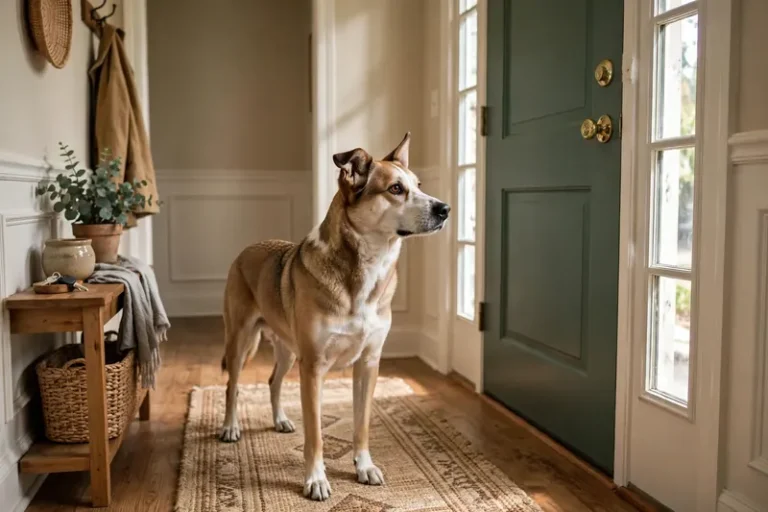
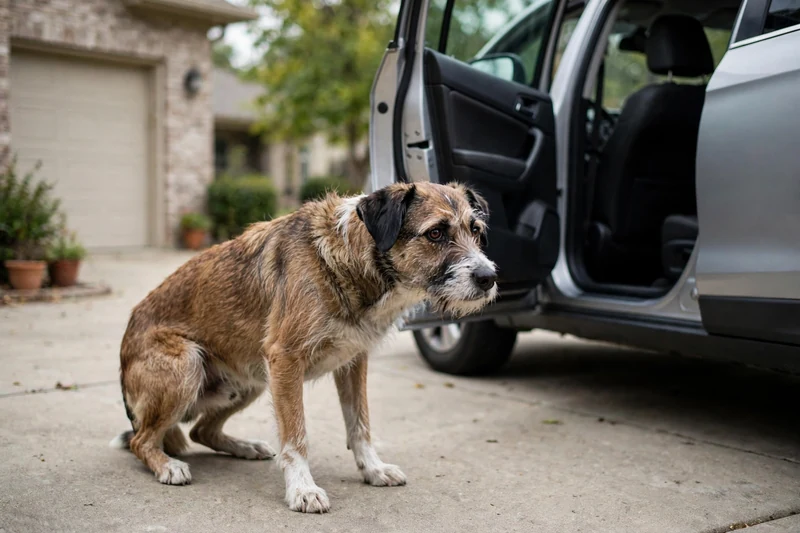
For a dog afraid to get in car, every vet visit becomes a driveway rodeo: you open the door, your dog freezes, plants all four feet, and turns to stone.
Then comes the luring, the coaxing, and finally lifting a trembling dog into the back seat. It feels awful for both of you.
This plan is built for exactly that problem: a dog afraid to get in car.
Car fear is one of the most trainable fear problems because the triggers are so predictable.
The parked car, the open door, the engine, the motion: each piece can be rebuilt slowly, at your dog’s pace, until the car becomes a place where good things happen.
Key Takeaways
- Dog afraid to get in car? Your dog is usually reacting to bad associations, motion sickness, startling noises, or pain when getting in. Not stubbornness.
- Desensitization plus counterconditioning works: show each piece of the car experience at a level that causes zero fear, paired with something the dog loves.
- Let the dog approach at their own pace and leave freely. If they refuse even favorite treats, back up a step.
- Never lure-and-trap, force, flood, or punish a scared dog. Each deepens fear and breaks trust.
- Drooling, lip licking, whining, or vomiting on rides points to motion sickness: your vet can prescribe anti-nausea medication.
Why Your Dog Is Afraid to Get in the Car
Your dog is not being difficult. If you live with a dog afraid to get in car, something real taught them the car is bad news, and finding that something tells you what to fix.
Bad associations. If every car trip ends at the vet, the groomer, or the boarding kennel, the car becomes a predictor of unpleasant things.
The American Kennel Club advises taking fearful dogs on short rides to fun places too, so the dog learns the car does not always mean trouble.
Motion sickness. Some dogs learned to hate the car because the car made them feel sick. The Merck Veterinary Manual lists the signs: nausea, excessive drooling, vomiting, yawning, whining, lip licking, and uneasiness, usually disappearing once the motion stops.
The Manual also notes that fear of the vehicle can contribute to the signs, and that signs can appear even in a stationary car when the dog associates the vehicle with feeling ill.
A dog who once got badly carsick may dread the car long after the nausea is gone.
Noise and startle. To a dog, a car is a large metal box that roars, vibrates, and moves on its own. One slammed door or engine backfire can cement a lasting fear.
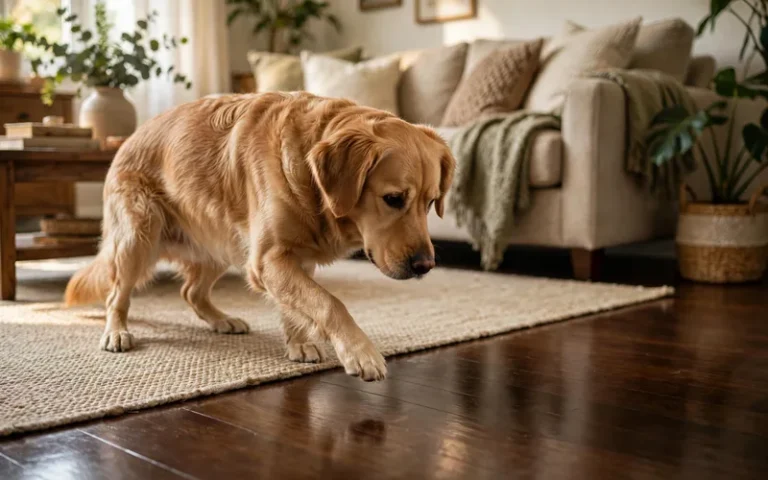
Pain getting in. For senior dogs, arthritic dogs, and small breeds, jumping into a car can genuinely hurt.
A dog who hesitates at the bumper may be making a rational decision: last time this hurt. That is a vet question first, not a training question.
What is never on this list: dominance, stubbornness, or your dog “trying it on.” Those explanations point at the wrong fixes, and the wrong fixes make fear worse.
The Gentle Step-by-Step Plan for a Dog Afraid to Get in Car
For a dog afraid to get in car, desensitization plus counterconditioning is the way forward: show the dog each piece of the car experience at a level that causes zero fear, paired with something wonderful.
The RSPCA and Purdue’s canine welfare center stress the same rules: never force the dog, keep sessions short, let the dog move away, and end the session if fear appears. Forced exposure increases fear; it never teaches bravery.
Ground rules: three to five minute sessions, ending while your dog is still happy. Use the best treats your dog ever gets (small pieces of real chicken or cheese, reserved only for car training).
Your dog always has a choice, with doors open so they can leave. Use the treat test as your speedometer: if a dog afraid to get in car will not take even their favorite treat, the step is too hard. Return to the last step that felt easy.

Step 1: Treats near the car. Park in the driveway, engine off, doors closed. At whatever distance your dog is relaxed (for some, twenty feet away), feed treats.
Work closer over sessions until a dog afraid to get in car happily takes treats beside the car.
Step 2: The open door. With the car parked and off, open the door and let your dog investigate. Reward sniffing, looking, and stepping close. If they walk away, let them.
Step 3: Paws up and head in. Toss treats onto the seat so your dog stretches in to eat them. Reward nose touches, paws on the bumper, and brave leaning.
Try “chase the food through the car” with both doors open: in one door, out the other.
Step 4: All the way in. When a dog afraid to get in car happily gets all four feet inside, feed a meal or stuffed food toy there, doors open. Let them leave whenever they want.
Step 5: Doors closed, then engine on. Close the door for a few seconds while your dog eats, then open it again. Build gradually to a minute or two of calm inside with the door closed.
Next, start the engine for a few seconds, treat, turn it off, and build to a minute of idling with a food toy.

Step 6: Driveway drive, then around the block. Roll forward and back in the driveway, treating throughout. Then short drives of five minutes or less, ending somewhere your dog loves.
End every trip with something fun, every time, for weeks, and the old association gets replaced.
Ramps and Steps for Senior Dogs and Small Breeds
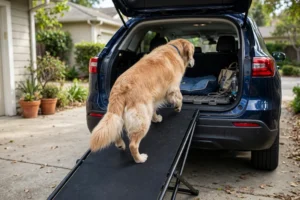 If your dog’s fear started when jumping got hard, the fix may be partly mechanical.
A folding ramp or pet stairs turns a painful leap into an easy walk: pick one with a non-slip surface, wide enough to feel steady, and long enough that the slope is gentle.
Train the ramp separately first: flat on the ground, then on a low step, then on the car, rewarding your dog for walking across each time.
Not every dog afraid to get in car fears the ride itself: some were simply afraid of the jump.
Be honest with yourself, though: if your dog hesitates because jumping hurts, or recently started refusing after years of fine rides, see the vet before you train.
Arthritis, hip and elbow problems, and back pain are common in older dogs, and no amount of treats fixes pain. Get mobility assessed and pain managed first; then training can build on a body that does not hurt.
What Not to Do: The Fastest Ways to Make Car Fear Worse
Do not lift and shove. Grabbing a scared dog and stuffing them into the car teaches them that the car is where humans become scary and choices disappear.
Do not flood. Flooding means forcing the dog through the full scary thing at once: shoving them in and driving for an hour, hoping they “get used to it.”
As Purdue’s canine welfare center puts it, forcing dogs to get close to things they fear does not help them get used to it: it increases fear.
Do not punish fear. Dragging on the leash, scolding, jerking the collar, or using shock or prong collars on a frightened dog does not make them braver. It adds a second fear: you.
Fear plus pain plus no escape is how a dog scared of cars becomes a dog scared of everything.
Do not lure-and-trap. Tossing a trail of treats into the car, waiting until the dog climbs in, and then slamming the door teaches the dog that treats are bait and the car is a trap. Let them leave. Every time.
Ignore the old myth about comforting. You may have heard that comforting a scared dog “rewards the fear.” Fear is an emotion, not a trick the dog is performing. Calm, upbeat company helps a frightened dog settle.
When a Scare Sets You Back
Setbacks happen. A door slams, or someone “just puts the dog in,” and you come home to a dog afraid to get in car who will not cross the driveway.
Go back to the last step your dog genuinely enjoyed, even if that is twenty feet from the parked car, and work from there.
Progress in desensitization is not a straight line. A dog who has a bad experience and recovers slowly ends up more confident than one who never had a setback. Keep a short log of which step you are on.
Once your dog rides calmly, if a new problem pops up, read our guide on why dogs whine in the car and how to fix it.
When Fear Signals Pain or Illness: Vet First
Training cannot fix a medical problem, so for a dog afraid to get in car, rule these out early:
- Motion sickness signs on rides: drooling, repeated lip licking or swallowing, yawning, whining, restlessness, vomiting, or going flat and lethargic. The Merck Veterinary Manual notes these signs and that medications, including anti-nausea products, are available from your veterinarian. See the vet before you train.
- Pain signs when getting in: hesitation at the bumper, yelping, stiffness, or a sudden refusal after years of easy rides. Vet first, always.
- Extreme panic: frantic escape attempts, refusal to eat even far from the car, or fear that does not respond to slow training. Ask your vet about a referral to a veterinary behaviorist. Some dogs need medication support alongside training.
A dog afraid to get in car is not giving you a hard time. They are having a hard time, and they are telling you so in the clearest way they can. Build the car back up, piece by piece, and many dogs get there.
Frequently Asked Questions
How long will it take before a dog afraid to get in car rides calmly?
There is no fixed timeline. Most dogs need several weeks of short sessions, moving through each step only when the current one feels easy. Never compress the plan because of a deadline.
My dog vomits on every ride. Is that fear or motion sickness?
It can be both, and they feed each other. The Merck Veterinary Manual notes that motion sickness signs usually disappear when the motion stops, and that fear of the vehicle can contribute to the signs on its own.
If vomiting is consistent, see your vet first. For a dog afraid to get in car, anti-nausea medication plus this training plan is a common and effective combination.
I have a vet appointment tomorrow. What do I do?
Do not run this plan at double speed tonight: a rushed, flooded session will set you back. Manage instead: carry a small dog; for a large dog, use a ramp and a friend’s help. Ask your vet about anti-nausea options for the ride.
Can my dog just ride in the front seat or with the window down?
Where your dog rides does not fix the fear of getting in, which is what this plan addresses.
Once your dog is riding, a secured back-seat spot or crate and good ventilation help with comfort. Fix the entry fear first, one step at a time.