
Beagle Howling When Left Alone
Beagle Howling When Left Alone: The Direct Answer
Beagle howling when left alone usually means one of three things: boredom, breed baying, or distress.
Start with a camera check before you change anything. The timing, the other signs, and how your dog settles will point to the right plan.
Key Takeaways
- Howling is communication, not spite. Beagles were bred to call to their pack, so silence is not the only fair goal.
- Film the first minutes after you leave. Timing and body language separate boredom from panic better than guesswork.
- Make departures pay with scent work, food puzzles, and a calm routine. Reward quiet settling, not just quiet moments.
- Keep departures and returns boring. Long goodbyes can raise worry, while calm exits lower the drama.
- Get vet help for sudden howling, pain, self-injury, or panic that does not ease. A behavior professional can help with severe cases.
Why Beagles Howl When Left Alone
Beagles are pack scenthounds. They were bred to follow scent together and to bay so handlers could follow them by ear.
That history explains beagle howling when left alone in a quiet house. A social, vocal dog may call out when the pack leaves, even when nothing is wrong.
Boredom adds a second cause. An idle nose, too little sniffing, and a long, dull day can turn a short bay into a long session.
Distress is the third cause. A frightened dog may howl at once, pace, drool, or refuse food. That dog needs a slower plan, not more scolding.
Read the Howling: Use a Camera Test
Set a phone camera to record the first part of your absence. Note when the howling starts, how long it lasts, and what else your dog does.
| Clue | More like boredom | More like distress |
|---|---|---|
| When it starts | Later, after a nap | Within seconds or minutes of leaving |
| Food and toys | Eaten happily | Ignored or untouched |
| Body | Settles between bouts | Pacing, drooling, panting, or escape attempts |
| Damage | Scattered, if any | Focused on doors, windows, or crates |
Use this table to read beagle howling when left alone, not to label your dog for life. One calm recording is useful, and two or three recordings are better.
If howling also happens at night, the triggers may differ. Read the Beagle baying at night guide for a calm night routine.
A Calm Step-by-Step Plan
For beagle howling when left alone that is mainly boredom or baying, work through these steps in order. Keep each step easy before you make it harder.
- Set up one comfort spot. Use a dog-proofed room or corner with a bed, water, and a worn item of clothing. Keep the spot the same every day.
- Give the nose a job before you leave. A slow sniff walk, scatter feeding, or a short find-it game can tire a beagle better than a rushed walk.
- Save special enrichment for departures. Offer a stuffed food puzzle, a snuffle mat, or a safe long chew only as you leave, then remove it on return.
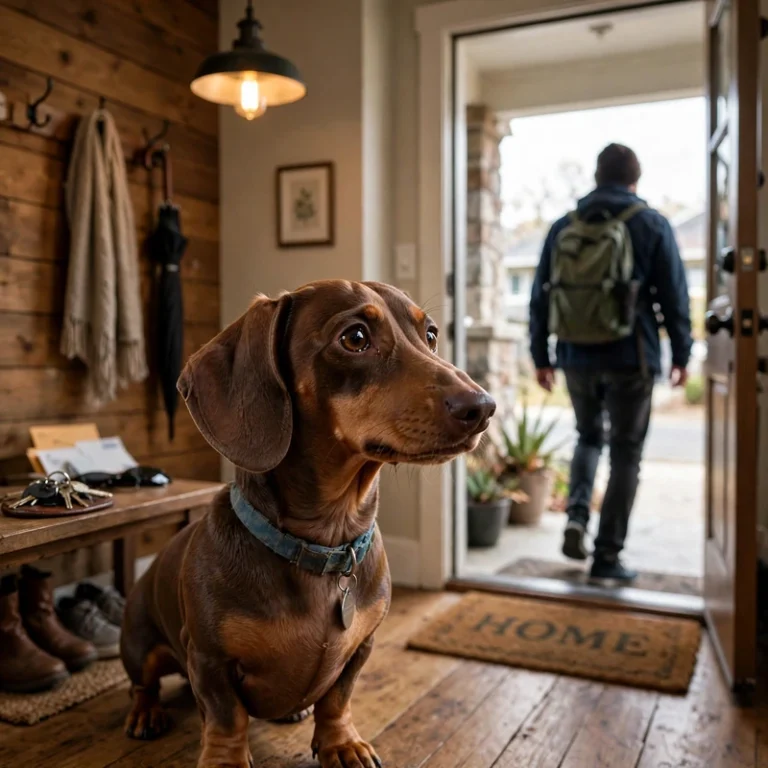
- Desensitize departure cues without leaving. Pick up keys, put on shoes, and open the door, then sit down again. Repeat until the cues lose their warning power.
- Practice absences in tiny steps. Step outside for a few seconds, return calmly, and build up only while your dog stays calm and able to eat.
- Keep exits and returns boring. Leave without a long speech, return quietly, and greet your dog only after a short settle.
- Track progress in a simple log. Note the longest calm absence, the enrichment used, and any setbacks. Judge change over weeks, not single days.

Quiet Your Departures and Arrivals
Big hellos and goodbyes can teach a beagle that leaving is a dramatic event. A calm exit gives your dog less to worry about and less to announce.
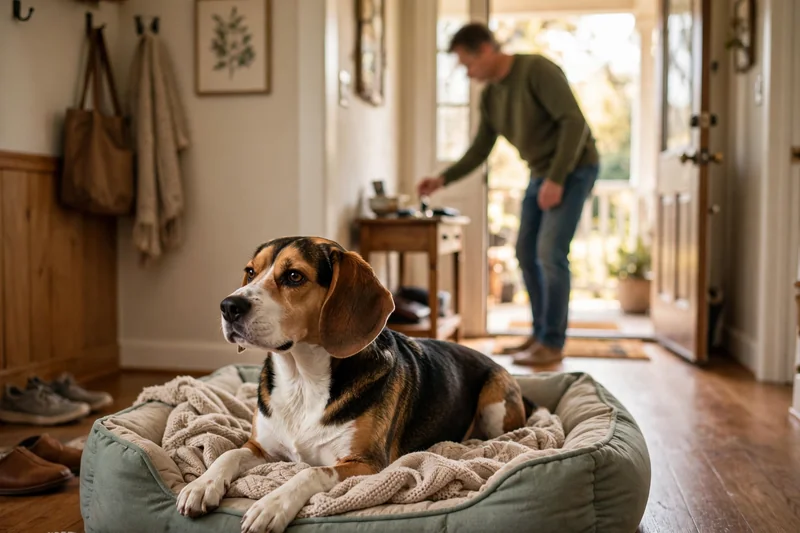
Practice cues at other times of day, not only before real departures. Random key pickups and coat practice help the dog learn that cues do not always mean absence.
Make the Alone Day Better
A better alone day starts before you leave. Toilet, water, a sniff walk, and a settle period help a beagle start alone time in a calm state.
Rotate toys and puzzles so the day stays novel. Low background sound can soften outside noises, but sound alone will not fix panic or boredom.
Use food as a job, not just a meal. Scatter part of the daily food, hide treats for a find-it game, or use a puzzle feeder on departure days.
Management While You Train
Training works best when your dog is not rehearsing full panic every workday. On long days, arrange a sitter, family cover, or daycare if it suits your dog.
Talk to neighbors early and honestly. Tell them you are training, share your plan in simple terms, and ask them to note the times they hear howling.
Check safety if panic leads to bolting or fence pressure. Read the Beagle running away off leash guide and the Beagle escapes from the yard guide before you rely on open doors or weak fences.
If digging appears at the fence line, use the Beagle digging under the fence guide for barrier and outlet ideas. That keeps a vocal problem from becoming an escape problem.
What NOT to Do
- Do not use shock, prong, spray, or vibration collars. They punish sound without fixing boredom or fear, and they can raise anxiety.
- Do not shout over the howling. To a beagle, shouting can sound like joining in, and it teaches nothing about settling.
- Do not punish a dog for howling after you return. Late scolding does not connect to the earlier sound, and it can add fear.
- Do not crate a panicking dog as a quick fix. A distressed dog can injure itself trying to escape, so use a dog-proofed room instead.
- Do not get a second dog to fix howling. Company may help a bored dog, but it does not fix distress and can leave you with two vocal dogs.
- Do not flood your dog by leaving it to panic for hours. Long, panicked absences can make the problem worse, not better.
When to Get Vet or Professional Help
Sudden beagle howling when left alone deserves a vet visit first. Pain, illness, hearing change, and age-related change can all increase vocal behavior.
Build a safe, comfortable resting spot while you wait for help. A bed, a covered crate only if your dog loves it, and low background sound can help settling.
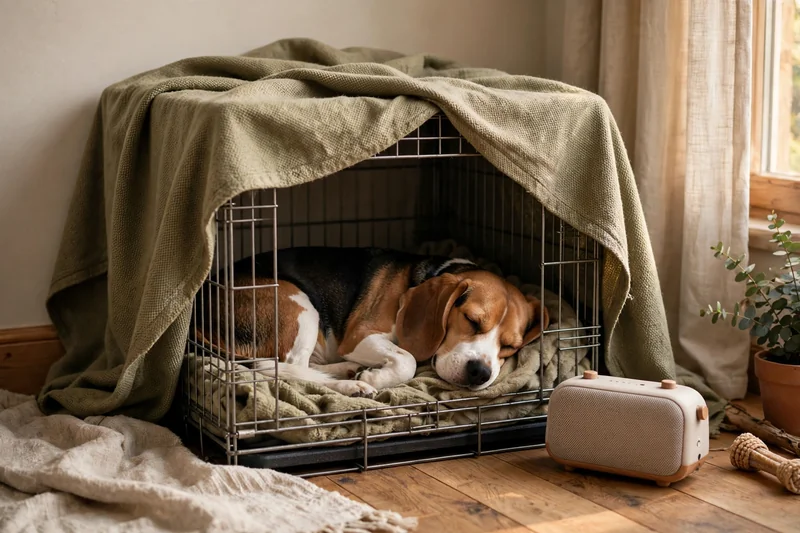
For panic, self-injury, escape attempts, or no progress after steady work, ask your vet for a referral. A certified behavior professional can build a plan for your dog, and your vet can discuss medical options.
For full panic support, read the Beagle separation anxiety guide. It focuses on anxiety and destruction, while this guide focuses on howling and baying.
Setbacks and Realistic Progress
Progress is rarely a straight line. A move, a holiday, a new schedule, or a loud storm can bring back howling for a short time.
When a setback happens, drop back to the last calm step. Rebuild from there, keep sessions short, and keep the routine steady for a few weeks.
Frequently Asked Questions
Will my beagle ever stop howling when left alone?
Many beagles improve a lot with enrichment, sniff work, and a calm routine. Some will still give an occasional bay, and that is normal for the breed.
Should I get a second dog to keep my beagle company?
Only decide after you have worked the plan. A second dog may help a bored beagle, but it will not fix distress and it adds a second set of needs.
Do bark collars or citronella collars work?
No, not as a kind fix. Collars suppress sound through discomfort, and they can raise anxiety. Positive training takes longer, but it teaches settling.
How long can a beagle be left alone?
It depends on age, health, training, and the day. Build up slowly, arrange cover on long days, and use a camera to judge what your own dog can handle.
Will crate training stop the howling?
Only if your dog is truly comfortable in the crate. Condition it slowly with food and rest, never use it as punishment, and stop if panic appears.
When should I call my vet?
Call promptly for sudden howling, appetite loss, lethargy, pacing at other times, self-injury, or aggression. Sudden change always deserves a medical check.
Can recall training help a beagle that howls?
Indirectly, yes. Short recall games build focus and trust, and the Beagle recall guide gives a staged plan. Recall alone will not fix alone-time howling.
Keep the plan simple and patient. Your beagle can learn that alone time is safe, and if night baying or bolting also appear, read the Beagle baying at night guide and the Beagle running away off leash guide.
Reference
Reference: ASPCA, Howling: ASPCA Howling guide
Still stuck? Get a plan built for your dog.
Answer a few quick questions and get a personalized, force-free training plan in minutes.
Try the Free Dog Tools