Golden Retriever Ignoring Recall? How to Train a Reliable Come
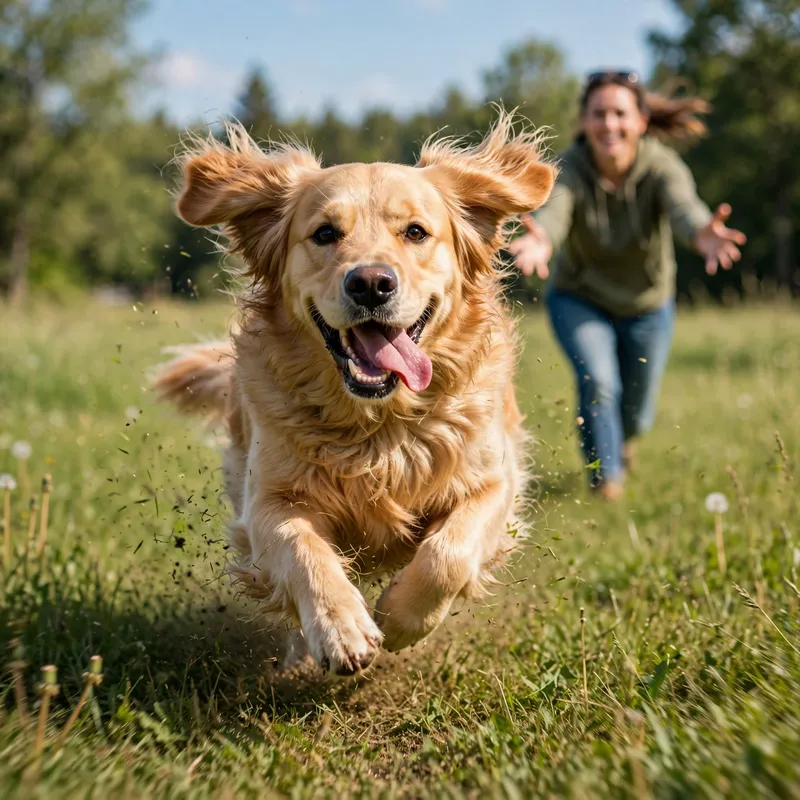
You call your Golden’s name at the park. They glance at you, consider your existence for half a second, then sprint toward a stranger who might have treats, or a dog who might want to play.
A golden retriever ignoring recall is arguably the most common complaint about this breed once adolescence hits, and one of the most important to fix: a dog who won’t come back can’t safely enjoy freedom.
If your golden retriever is ignoring recall, you are not alone — and the fix is simpler than you think.
The good news: Golden Retrievers are among the easiest breeds to build a strong recall with. They are people-focused, food-driven, and eager to please. If yours is blowing you off, something in the training loop has broken down, and training loops can be repaired.
Key Takeaways
- A golden retriever ignoring recall usually means the cue has been poisoned, under-rewarded, or never proofed in hard settings, not that the dog is stubborn.
- Never punish a slow recall. Scolding a dog for eventually coming teaches them that returning to you is unsafe.
- Rebuild from zero in low-distraction environments with high-value rewards, then climb a gradual ladder of distance and distraction.
- A long line attached to a harness is the essential safety tool for practicing outdoors while recall is still unreliable.
- Consider an emergency recall word, a brand-new cue trained only with jackpot rewards, for genuinely dangerous situations.
Golden Retriever Ignoring Recall: Why It Happens
The cue got poisoned. This is the number-one cause. If “come” has ever been followed by something unpleasant, a scolding for being slow, being dragged inside to end playtime, a bath, the dog learns a simple equation: coming to you sometimes leads to bad things. A poisoned cue is worse than no cue, because the dog has actively learned to hesitate.
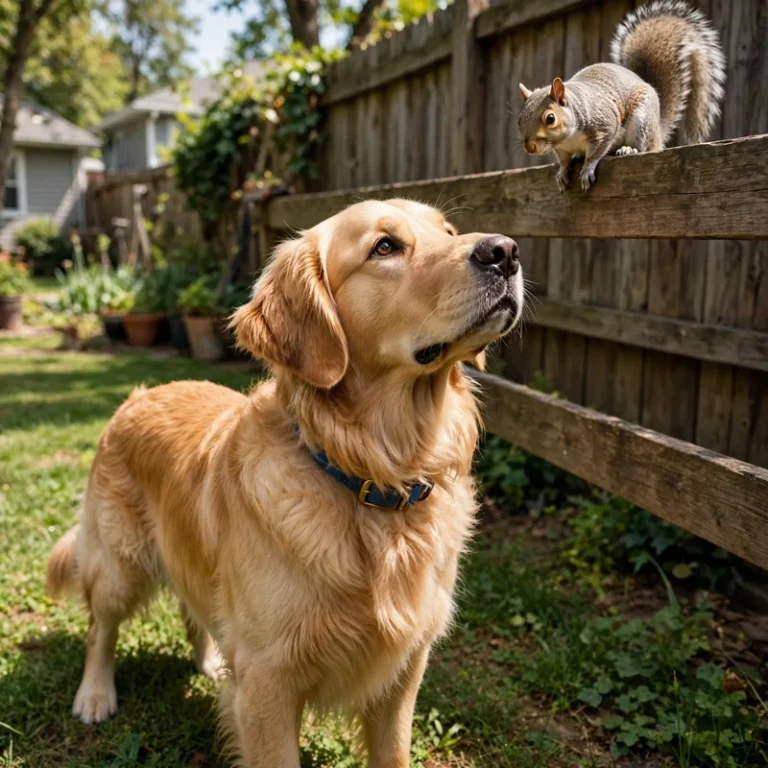
It was never proofed. A recall that works in your living room is not a trained recall. It is a recall practiced in one easy context. Many owners train “come” at home, then expect it to hold at a busy park with dogs, squirrels, and picnic smells competing. Each new environment, distance, and distraction level has to be trained deliberately.
The rewards don’t compete. At home, a piece of kibble beats staring at the wall. At the park, that kibble competes with a Labrador who wants to wrestle and a family unwrapping sandwiches. If coming to you pays less than the environment does, the environment wins. Recall is an economics problem as much as an obedience problem.
Adolescence happened. Somewhere around six to eighteen months, many Goldens go through a phase where reliable cues seem to evaporate. Distractions outrank everything and impulse control collapses. This is a normal developmental stage, not defiance. The prescription: drop back to easier setups, raise reward value, rebuild patiently.
The cue got diluted. “ComecomecomeCOME!” shouted five times while the dog ignores you teaches the dog that the first four don’t count. Every unanswered repetition weakens the cue. If your golden retriever is ignoring recall in exciting places but listens at home, a diluted cue is often the reason.
The Rebuild: A Step-by-Step Recall Plan
If your dog is actively ignoring recall, stop using the old cue in hard situations. Every ignored repetition digs the hole deeper. Rebuild on this ladder, moving up only when your dog succeeds nearly every time at the current rung. This ladder works because it rebuilds the cue from zero. A golden retriever ignoring recall needs dozens of easy wins before facing real-world distractions, so do not rush the early rungs.
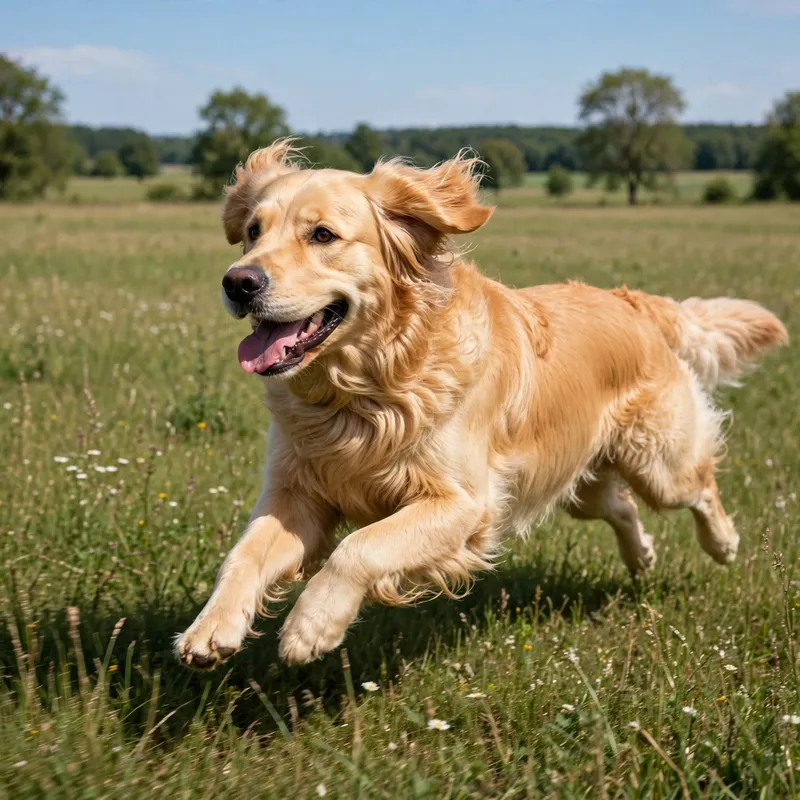
Step 1: Charge the cue indoors. Say your recall word once, then immediately reward with something excellent: chicken, cheese, whatever your dog goes wild for. Repeat a dozen times a day for a few days. No distance, no distractions. Just word equals jackpot.
Step 2: Short distances inside. Call from across the room, then from different rooms and hallways. Reward enthusiastically. Keep sessions to a few minutes and end while it’s still fun.
Step 3: Add distance in a boring outdoor space. Move to a quiet yard on a long line. Call from ten feet, then twenty, then from out of sight. Reward every single recall generously at this stage.
Step 4: Add mild distractions deliberately. Practice near a quiet park at off hours. Call, reward, release. Build a critical habit here: frequently call your dog, reward them, then let them go back to what they were doing. If recall always ends the fun, dogs learn to avoid it.
Step 5: Proof against real life. Gradually work up to the environments where recall currently fails, always on the long line until reliability is proven. If recall breaks at any stage, drop back one rung and rebuild. That’s information, not failure.
The proofing ladder, from easy to hard: inside the house with no distractions, then a quiet yard on a short line, then a yard or quiet street on a long line with moderate distractions, then a park at quiet times on a long line, and finally busy real-world settings on a long line. Only consider off-leash time in an environment after the recall is consistent there on the line.
The Long Line: Your Most Important Recall Tool
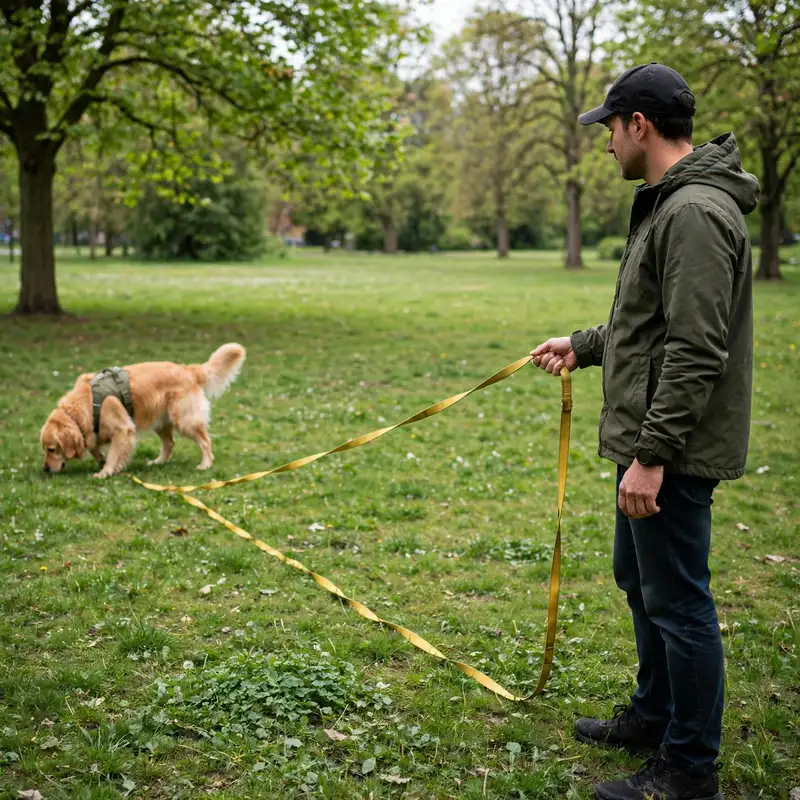
A long line, typically 15 to 30 feet of lightweight rope or biothane, lets you practice at real distances without risking a bolted dog. Attach it to a well-fitted harness rather than a collar, so a sudden lunge doesn’t jerk the neck. Let your dog wander, call once, and if they ignore you, calmly gather the line and guide them in, then reward the arrival anyway. The line prevents rehearsal of ignoring you, which is half the battle. Keep it clear of roads and tangling legs, and never tie it to your wrist.
The Emergency Recall: A Separate Lifeline
For situations where failure is not an option, a dog near a road or an aggressive dog approaching, train a dedicated emergency recall word that is never used for anything ordinary. Pick a distinctive word your dog has never heard. Train it only in easy settings, and every time the dog responds, deliver a jackpot: a handful of treats or a full minute of their favorite game. Use it rarely and keep it sacred. This is a fire extinguisher, not a replacement for proofing the everyday recall.
Mistakes That Keep Your Golden Retriever Ignoring Recall
Punishing the return. If your Golden finally comes after two minutes and you scold them, you just punished coming to you. Always reward the arrival, no matter how long it took. The delay is a separate training problem.
Only calling for unpleasant things. If “come” reliably predicts the end of park time or the bath, smart dogs avoid it. Balance the ledger with frequent reward-only recalls.
Repeating the cue. Say it once. If nothing happens, calmly go get your dog or use the long line. Shouting it six times teaches them that five repetitions are meaningless warm-up.
Training only at home. A recall never practiced around other dogs is not a recall that works around other dogs. Proof in several environments before trusting it.
Reaching for punishment tools. Shock collars, prong collars, and leash corrections are sometimes marketed as recall solutions. The American Veterinary Society of Animal Behavior’s 2021 position statement recommends only reward-based methods for all dog training and behavior modification, stating aversive methods should not be used and there is no evidence they outperform reward-based approaches. For recall specifically, punishment is counterproductive: a dog that fears the consequence of returning returns even less.
Why does my Golden Retriever ignore me only outside?
Because outside is where the competition lives. Inside, you are the most interesting thing in the room. Outside, you compete with smells, dogs, people, and wildlife, and the reward history was built in the easy setting. This is a proofing gap, not a personality flaw. Rebuild on a long line in boring outdoor spaces and climb the distraction ladder deliberately.
Should I use a different word than “come”?
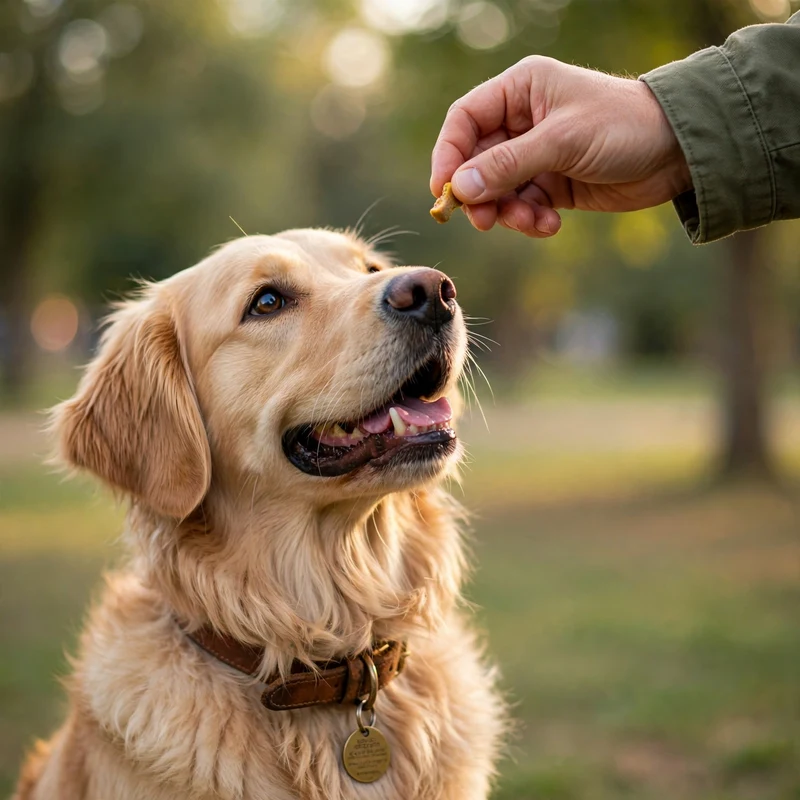
If “come” has a long history of being ignored, starting fresh with a new word is often faster than rehabilitating the old one. Pick one word, use it consistently, and make sure every family member uses the same cue. Inconsistent cues across the household are a common reason recall stalls.
Can you train recall in an adult Golden Retriever?
Yes. Dogs of any age can improve recall with consistent reward-based training, and adults may have longer attention spans than puppies, which helps. An adult with years of ignoring practice needs more patience and stricter long-line use early on, since the old habit is well rehearsed. The method is identical: low distraction, high reward value, gradual proofing.
How long does it take to build a reliable recall?
The basics often click within days to weeks in easy settings, but a recall that holds around strong distractions typically takes months of consistent practice. That timeline is normal. Rushing to off-leash freedom before the proofing is done is how most recall training unravels. Let the ladder, not the calendar, decide when the long line comes off.
My Golden comes to everyone except me. Why?
Usually because other people are novel and exciting while you are familiar background. It can also mean your cue carries baggage: being called mostly for boring or unpleasant things, while strangers mean pure novelty. Rebuild your cue with exceptional rewards and practice the reward-and-release pattern so coming to you doesn’t end the fun.
Is it ever safe to let my Golden off leash?
Off-leash freedom is earned through proofing, not granted by hope. A sensible rule: the long line comes off only in an environment after the dog recalls reliably there on the line, around that level of distraction, many times over. Also check local leash laws, since many parks and trails require leashing regardless of training. A trained recall is a safety skill, not a legal exemption.
—
A golden retriever ignoring recall is frustrating but highly solvable, because the breed genuinely wants to be with you. Make coming back the best deal on offer, prove it everywhere, and never punish the return. For the full breed picture, see our Golden Retriever behavior problems pillar and the Golden Retriever category. Recall pairs with loose-leash skills, so if walks are also a struggle, read biting the leash on walks. If your Golden’s mouth gets them into kitchen trouble too, our counter surfing guide covers the other half of the food-obsession equation. For the same desensitization logic in another breed, the German Shepherd barking when left alone guide is a useful comparison.