Why Does My Golden Retriever Lick Everything? Causes and Fixes
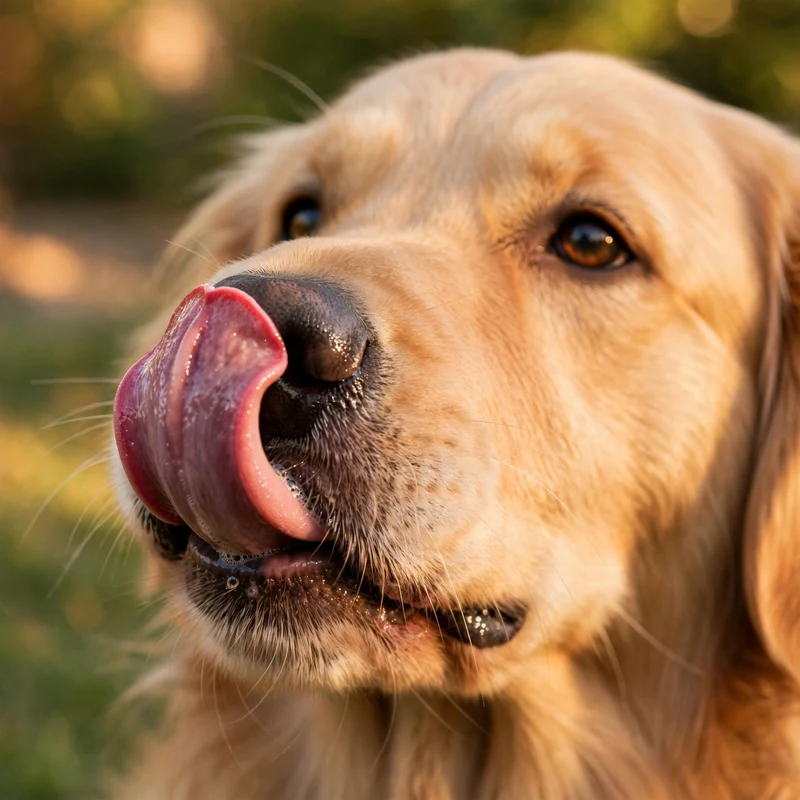
Your Golden Retriever licks your hands, your face, the sofa, the floor, the air itself. Guests get a full tongue bath within seconds of sitting down. If you’re dealing with golden retriever excessive licking, you’re asking one of the most common questions about this breed, and the answer matters more than most owners realize: it’s sometimes the first visible sign of a medical problem.
Some licking is pure Golden: an affectionate, mouth-oriented breed that explores tongue-first. But constant, obsessive, or suddenly worse licking deserves investigation, starting with your veterinarian.
Key Takeaways
- Golden retriever excessive licking has three main arenas: licking people, licking themselves (especially paws), and licking surfaces. Each points to different likely causes.
- Allergies are a leading medical cause of paw and skin licking in Goldens. Persistent licking with redness, odor, or hair loss needs a vet visit, not just training.
- Research has linked excessive licking of surfaces to gastrointestinal disorders, so floor and furniture licking paired with digestive signs should be checked medically.
- Sudden changes in licking, licking one spot raw, or licking plus vomiting, diarrhea, or appetite loss are red flags. See your vet promptly.
- For habitual, non-medical licking, the fix is redirection and meeting unmet needs: exercise, enrichment, and teaching an incompatible behavior.
The Three Kinds of Golden Retriever Excessive Licking
Lumping all licking together leads to wrong fixes. Identify which pattern you are seeing.
Licking people. Face and hand licking is usually social behavior. Puppies lick their mother’s face, and adult dogs transfer that to the humans they love. Your skin tastes salty and your reaction is attention, even disgusted attention. This is the most benign category and the most trainable.
Licking themselves, especially paws. This category most likely has a medical driver. Dogs lick what itches, hurts, or feels strange. Paws, belly, legs, and tail base are the classic allergy zones. A dog licking one paw relentlessly may have a thorn, cut, sting, or joint pain. A dog licking all four paws, often with reddish-brown fur staining, is flagging allergies or skin infection.
Licking surfaces: floors, sofas, walls, the air. This is the pattern researchers have studied most closely, and the findings surprised the behavior world. A study by Bécuwe-Bonnet and colleagues at the University of Montreal, published in the Journal of Veterinary Behavior, examined dogs with excessive licking of surfaces and found that 14 of the 19 affected dogs had a diagnosable gastrointestinal disorder, including delayed stomach emptying, inflammatory bowel conditions, and pancreatitis. Notably, the licking dogs were not more anxious than the healthy control dogs. A dog obsessively licking the floor may be soothing nausea or stomach discomfort, not acting out emotionally.
Medical Causes to Rule Out First
Before treating licking as a behavior problem, rule out the body. Golden Retrievers are frequently mentioned by veterinarians as an allergy-prone breed, and skin and stomach issues are the two big medical drivers of licking.
Allergies (environmental and food). Itchy skin from pollen, dust mites, or food sensitivities drives paw chewing, belly licking, and face rubbing. Warning signs include redness between the toes, a yeasty or sour smell, recurrent ear infections, and seasonal patterns. Diagnosis is a vet job: skin workups, and for suspected food allergy, a strict elimination diet trial run under veterinary guidance.
Pain. Dogs lick sore spots instinctively. Arthritis in older Goldens, a healing wound, a foxtail or thorn in a paw, or abdominal pain can all present as focused licking. If the licking targets one joint or one paw, look closely and get it checked.
Gastrointestinal discomfort. As the research above shows, nausea, acid reflux, and intestinal inflammation can drive repetitive licking of floors, furniture, and the air, sometimes with lip smacking or gulping. If surface licking clusters around mealtimes or comes with soft stools, vomiting, or appetite changes, mention the pattern to your vet specifically.

Skin infections. Constant licking keeps skin damp, and damp skin grows yeast and bacteria, which itch, which causes more licking. Once this cycle starts, it usually needs veterinary treatment to break, not just behavior work.
Red flags: see your vet promptly if you notice
- Licking that started suddenly or has sharply increased
- Any spot licked raw, bald, bleeding, or smelling bad
- Licking paired with vomiting, diarrhea, appetite loss, or lethargy
- Limping, or licking focused on one leg, paw, or joint
- Excessive drooling, lip licking, or gulping along with the licking
- Your dog seems uncomfortable, restless, or in pain
Behavioral Causes of Excessive Licking
Once your vet has cleared medical causes, consider these.
Attention. If licking reliably produces a reaction, laughter, scolding, pushing the dog away, the dog has learned a reliable button for getting noticed. Even negative attention reinforces behavior in social breeds like Goldens.
Boredom and under-stimulation. A Golden with unspent energy will invent jobs, and licking is readily available. Repetitive licking appears self-soothing for many dogs, which is why it thrives in under-exercised dogs left alone for long stretches.
Anxiety and stress. Household changes or separation distress can increase licking as a coping behavior. Stress licking tends to rise and fall with the dog’s overall anxiety level.
Habit. A behavior rehearsed thousands of times becomes default and can persist after the original trigger is gone, which is why the fix focuses on replacement behaviors rather than punishing the lick.
How to Reduce Golden Retriever Excessive Licking: A Practical Plan
Step 1: Get the vet check done. This is not optional for persistent licking. Describe exactly what your dog licks, when, and what else you’ve noticed: appetite, stools, skin changes, seasonality. Ask directly whether allergies or GI issues could be involved.
Step 2: Stop accidentally rewarding it. For people-licking, withdraw attention calmly the moment the tongue comes out: stand up, turn away, leave briefly. Return and reward calm behavior. Everyone in the house must do the same.
Step 3: Meet the underlying needs. Increase daily exercise and add mental work: snuffle mats, puzzle feeders, short training sessions, retrieve games that use the mouth constructively. A tired, engaged Golden licks less because the need driving it is smaller.
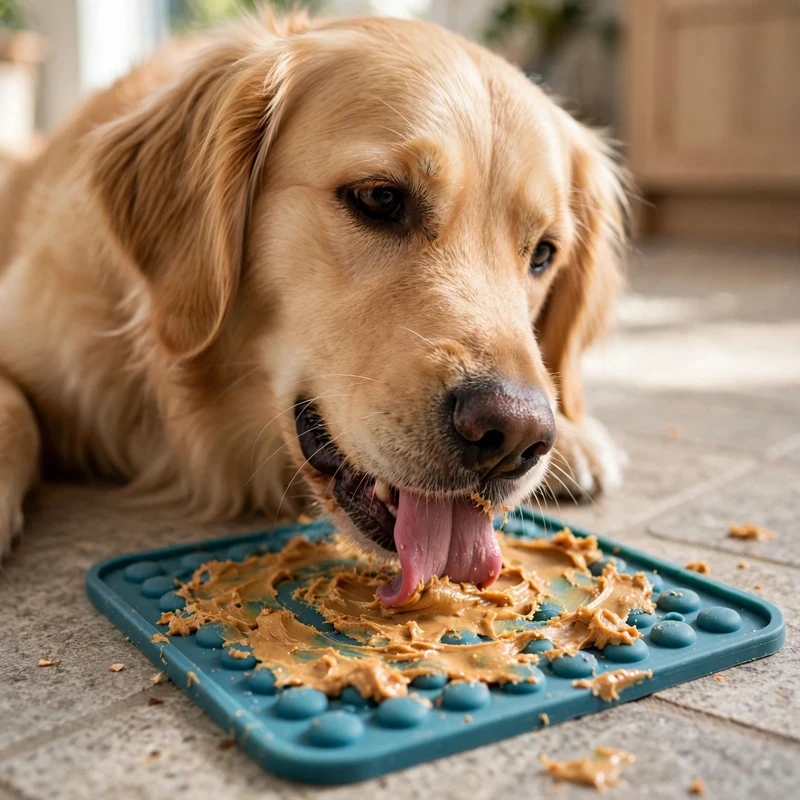
Step 4: Redirect the mouth to legal targets. Keep a stuffed Kong, a lick mat with a thin smear of dog-safe peanut butter (check the label for xylitol, also called birch sugar, which is toxic to dogs), or a long-lasting chew within reach. Redirect cheerfully and reward engagement with it.
Step 5: Teach an incompatible behavior for greetings. For dogs that tongue-bathe every guest, train a solid “go to place” or a sit for greetings, heavily rewarded. A dog holding a sit cannot lick a visitor’s face.
Step 6: Manage anxiety triggers. If licking spikes with stress, address the stressor: predictable routines, gradual alone-time training, calming enrichment before departures. For persistent anxiety-driven licking, ask your vet about referral to a veterinary behaviorist.
| Licking pattern | Most likely causes | First action |
|—|—|—|
| Licking people | Social habit, attention | Vet check if sudden, then attention withdrawal + train greeting behavior |
| Licking paws | Allergies, injury, infection, pain | Vet visit; check for redness, swelling, odor |
| Licking belly/legs | Allergies, skin irritation | Vet visit; note seasonality and skin changes |
| Licking floors/furniture | GI discomfort, nausea, habit | Vet visit mentioning GI signs; note timing around meals |

| Licking one spot raw | Pain, wound, infection, compulsive disorder | Vet promptly; may need medical treatment plus behavior plan |
Is it normal for Golden Retrievers to lick a lot?
Some licking is completely normal: Goldens are affectionate, oral, and socially enthusiastic. It becomes excessive when it is constant, hard to interrupt, focused on one body area, directed at surfaces for long stretches, or paired with skin changes or digestive upset. Frequency, intensity, and change over time are what matter.
Why does my Golden Retriever lick his paws constantly?
Persistent paw licking most often signals allergies, irritation, or infection between the toes, and Golden Retrievers are a breed vets commonly see for allergy-related itching. Check for redness, swelling, odor, or brownish staining. If it’s mostly one paw, suspect a localized injury, thorn, or joint pain. Don’t wait months hoping it resolves.
Why does my dog lick the floor and couch obsessively?
Research points to gastrointestinal discomfort as a surprisingly common cause. In the University of Montreal study, most dogs with excessive surface licking turned out to have GI disorders, and they were no more anxious than healthy dogs. If licking clusters around meals or comes with vomiting, soft stools, or appetite changes, tell your vet exactly that.
How do I get my Golden to stop licking guests?
Train an incompatible greeting: a rock-solid sit or “go to place,” heavily rewarded when visitors arrive, with a leash or gate for management until reliable. Instruct guests to turn away and ignore licking rather than pushing the dog off, which dogs read as engagement. Every human must be consistent.
Can anxiety cause excessive licking in dogs?
Yes. Licking is a common self-soothing behavior, and stressed or bored dogs often lick more. The key distinction: anxiety-related licking usually tracks with the dog’s overall stress level, while allergy or GI-driven licking persists regardless of mood. When in doubt, rule out medical causes first.
When should I worry about my dog’s licking?
Worry when it’s new or suddenly worse, when skin is damaged, when it’s paired with vomiting, diarrhea, appetite loss, lethargy, or limping, or when it’s relentless and uninterruptible. Those are veterinary questions, not training questions. Habitual licking in an otherwise healthy, vet-cleared dog is a training and enrichment project.
—
Golden retriever excessive licking sits at the intersection of body and behavior, which is why the vet visit comes before the training plan. Rule out allergies, pain, and stomach issues first, then reshape the habit with enrichment, redirection, and consistent boundaries. For the broader behavior picture, our Golden Retriever behavior problems pillar covers the breed’s full quirk list, and the Golden Retriever category has every article. If your Golden’s mouth is busy in the kitchen too, see counter surfing and chewing furniture. For mouthy puppy habits, our puppy nipping plan uses the same redirection principles.
A final note on golden retriever excessive licking: it is rarely random. Whether the driver is allergies, stomach trouble, or simple habit, golden retriever excessive licking deserves the same calm, step-by-step approach: vet check first, then training.
Keep brief notes on when golden retriever excessive licking happens and what seems to help. Most owners see golden retriever excessive licking fade within a few weeks once the underlying cause is handled, and if golden retriever excessive licking continues, those notes will make the next vet visit far more productive.