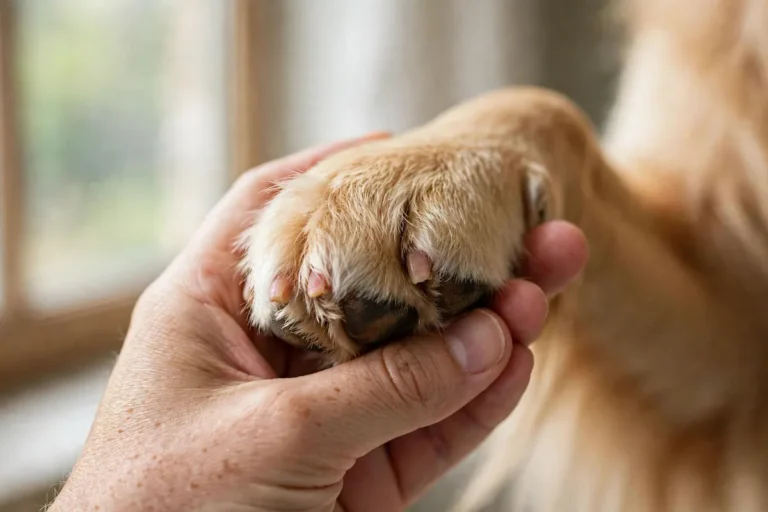
Safe Human Foods for Dogs With Upset Stomach
When your dog has an upset stomach, mealtimes can feel stressful. You want food that will not make things worse, and you want a clear plan.
If you are looking for safe human foods dogs upset stomach, start with plain, simple foods and a calm plan. This guide explains bland-food basics, safe choices, foods to avoid, and vet warning signs.
Key Takeaways
- For a mild upset in a healthy adult dog, plain bland food and small meals can help while you watch closely.
- Plain boiled chicken, plain white rice, and plain pumpkin are common bland choices.
- Serve everything plain, with no salt, butter, oil, seasoning, onion, or garlic.
- Never give onion, garlic, grapes, chocolate, or xylitol, and avoid fatty or spicy foods.
- Do not give human medicines, and do not try a fast on your own. Ask your vet first.
- Call your vet for blood in stool or vomit, diarrhea lasting more than a day, vomiting that will not stop, lethargy, or refusal to eat or drink.
Safe Human Foods Dogs Upset Stomach: The Direct Answer
For safe human foods dogs upset stomach, the best first choice is plain, bland food for a mild upset in an otherwise healthy adult dog. Keep meals small, serve food plain, and offer fresh water.
Start with plain boiled chicken and plain white rice, or plain pumpkin if your vet has already suggested it. Watch appetite, energy, drinking, and stool, and call your vet if things get worse.
This guide gives general information only. It does not diagnose your dog, and it does not replace advice from your vet.
Why Dogs Get an Upset Stomach
An upset stomach can follow a sudden food change, a new treat, table scraps, or something picked up on a walk. Stress, a change in routine, and eating too fast can also upset a sensitive stomach.
Sometimes the cause is not clear. That is common with a mild, one-off upset, but it is also why close watching matters. If signs return often, ask your vet to look for a medical cause.
- A sudden change of food or a new treat
- Rich, fatty, or seasoned food from the table
- Something scavenged on a walk or from the bin
- Stress or a change in routine
- Eating too fast or eating too much at once
Bland-Food Basics
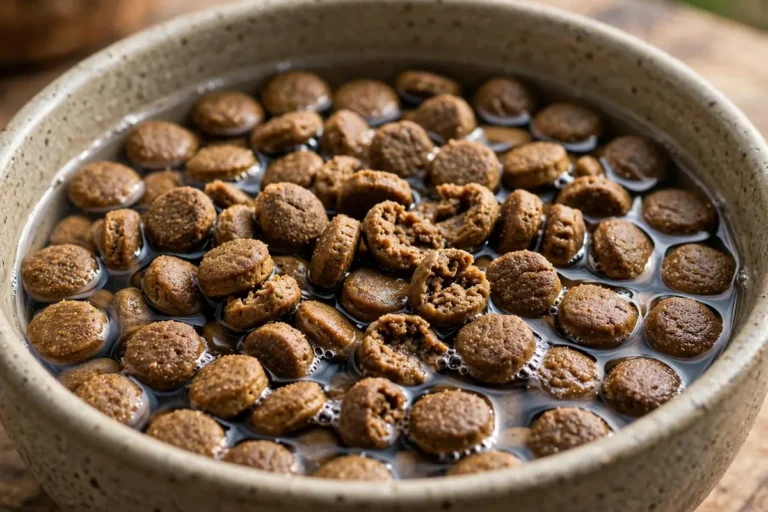
Bland food means simple, low-fat, and easy to digest. It should not be rich, spicy, or seasoned, and it should not include new flavors all at once.
All safe human foods dogs upset stomach choices should be served plain, with no salt, butter, oil, seasoning, onion, or garlic. Cool cooked food to room temperature before serving.
Offer small meals through the day rather than one large meal. Small meals are easier to tolerate, and they let you notice quickly if your dog refuses food.
Keep fresh water available at all times. Do not limit water to try to control vomiting or diarrhea. If your dog will not drink, call your vet promptly.
| Food | Serve it plain | Watch out for |
|---|---|---|
| Plain boiled chicken | Boneless, skinless, shredded | Skin, bones, salt, and seasoning |
| Plain white rice | Cooked in water, soft, cooled | Butter, oil, and sauces |
| Plain pumpkin | Plain puree, small amount | Pie filling, sugar, and spices |
| Plain bone broth | Clear, unseasoned, cooled | Onion, garlic, and added salt |
Safe Foods With Preparation Notes
The safe human foods dogs upset stomach list below focuses on foods that are easy to digest when served plain and in small amounts. Stop any food that seems to make signs worse, and ask your vet for guidance.
1. Plain Boiled Chicken Breast
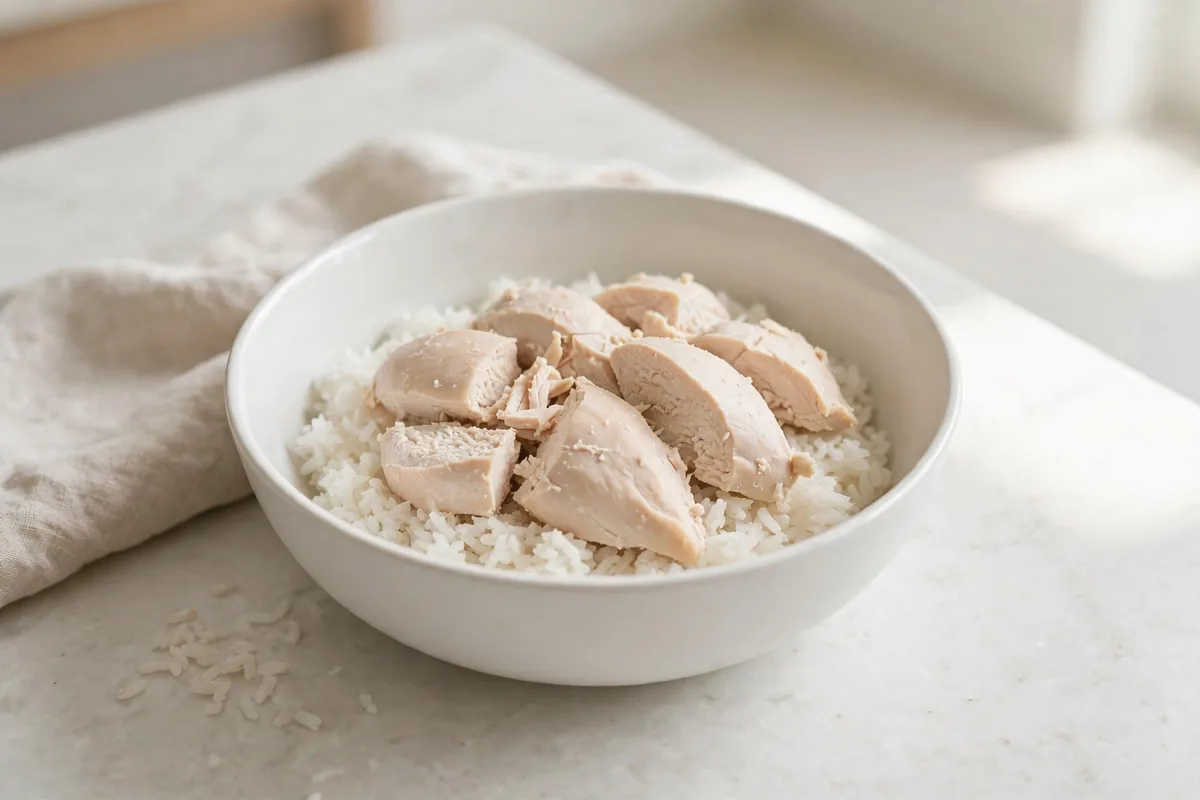
Use boneless, skinless chicken breast, boiled until cooked through, then shredded. Serve it plain, with no skin, bones, salt, or seasoning.
Mix a small amount with plain rice at first. If chicken is a known problem for your dog, do not swap in a new protein on your own. Ask your vet first.
2. Plain White Rice
Cook plain white rice in water, with nothing added. White rice is bland and easy to digest, which makes it a useful base for bland meals.
Serve it soft and cooled, in a small portion. Rice alone has little protein, so it is best as a short-term base, not a complete diet.
3. Plain Canned Pumpkin
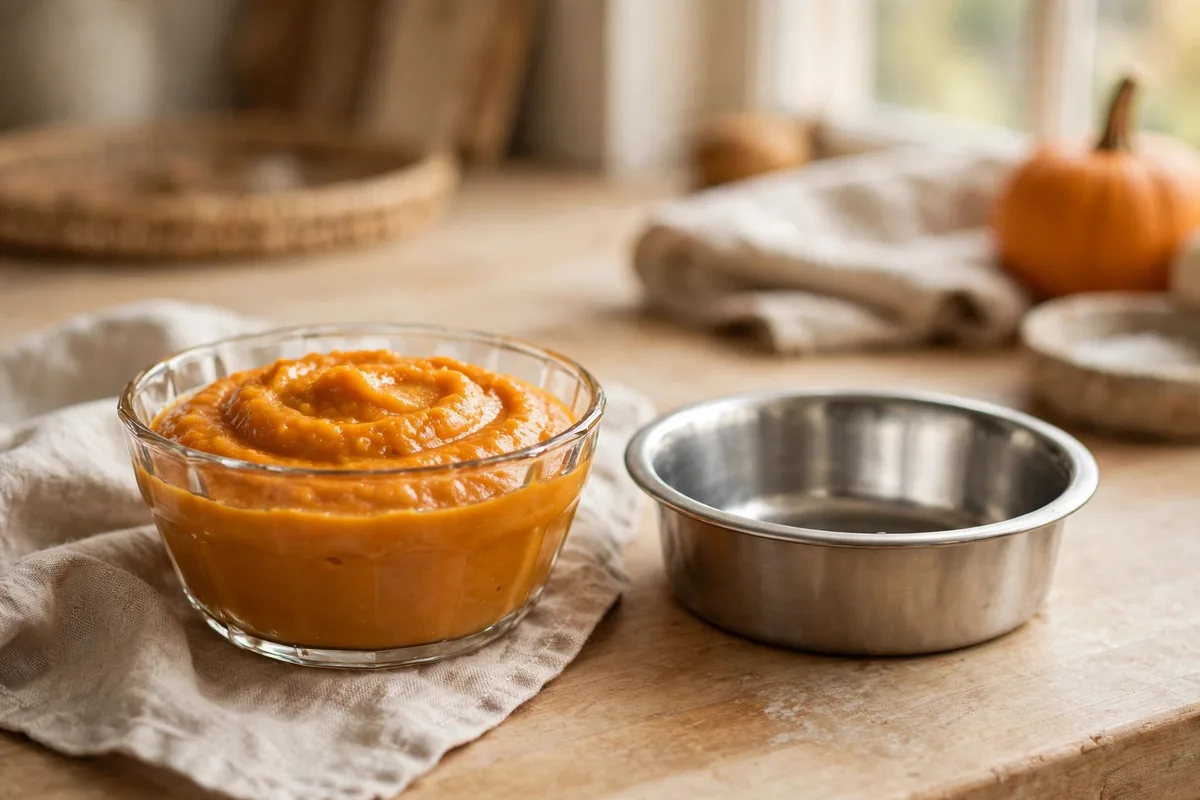
Use plain canned pumpkin puree, not pumpkin pie filling. Pie filling can contain sugar and spices, including nutmeg, which dogs should not eat.
Stir a small spoonful into a bland meal. Pumpkin can help some dogs, but it is optional, and plain chicken and rice can still be a starting point.
4. Bone Broth
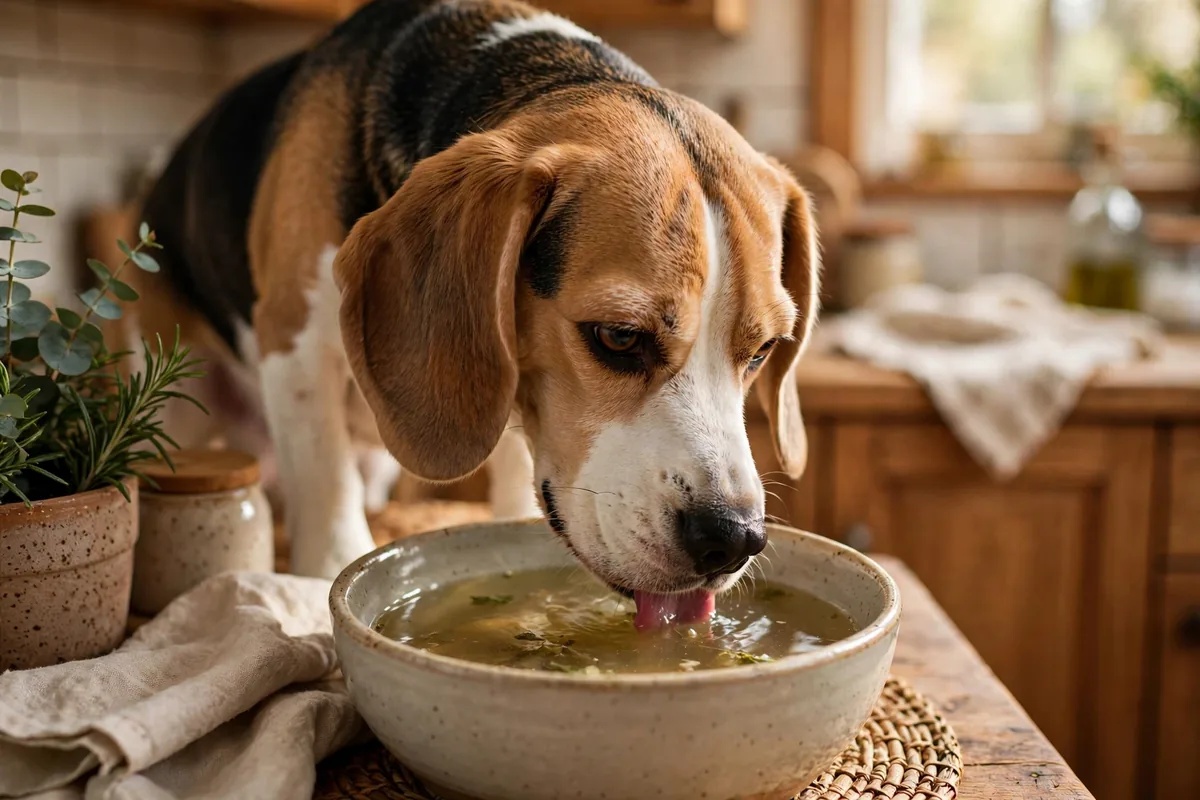
Use clear, unseasoned bone broth with no onion or garlic. Warm it slightly if that helps your dog show interest, then serve it plain or over bland food.
Bone broth can encourage drinking and make bland food more appealing. Check the label carefully, because many ready-made broths contain onion, garlic, or added salt.
5. Plain Oatmeal
Cook plain oatmeal in water, with no milk, sugar, or flavoring. Serve a small, cooled portion, and keep the texture soft and simple.
6. Plain Yogurt
Use plain, unsweetened yogurt only, and only in a small amount. Some dogs do not tolerate dairy well, so stop it if signs get worse and ask your vet.
7. Boiled Sweet Potato
Peel sweet potato, then boil or bake it plain until soft. Mash it and serve a small portion, with no butter, salt, or seasoning.
8. Scrambled or Boiled Egg
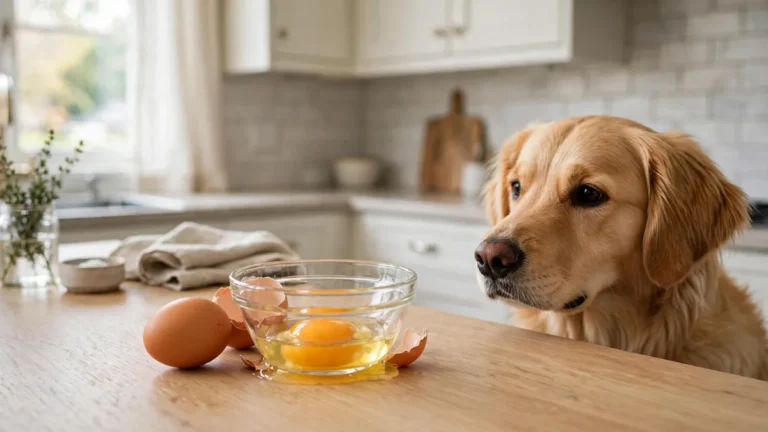
Serve eggs fully cooked, scrambled dry or hard-boiled, with no butter or oil. Cut or mash the egg so it is easy to eat in a small portion.
9. Banana
Offer a few small slices of ripe banana. Banana is soft and easy to eat, but keep the portion small, especially for a small dog.
10. Watermelon (Flesh Only)
Offer seedless watermelon flesh only, in a small portion. Remove seeds and rind first, because rind can be hard to digest.
Foods to Avoid Completely
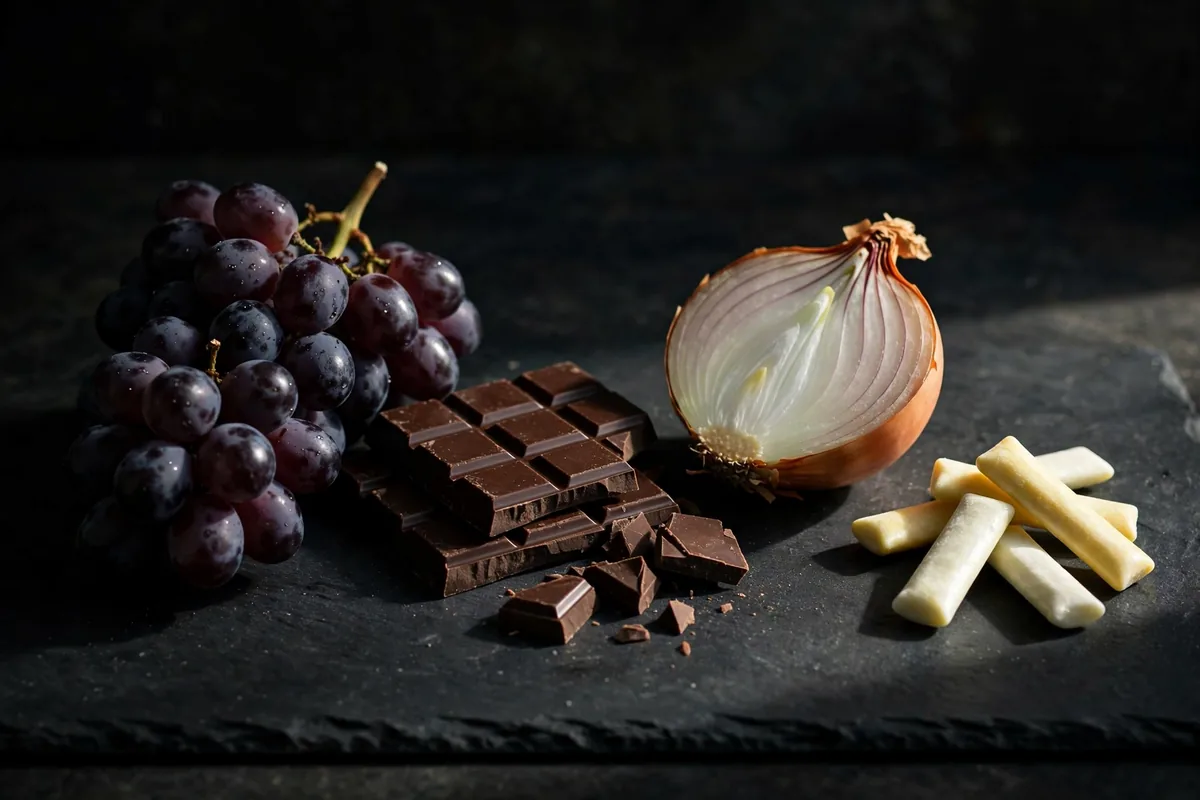
Some human foods are unsafe for any dog, and they are riskier when a dog is already unwell. Keep these foods out of reach, and do not offer them as treats.
- Onion and garlic, including powder. These can damage red blood cells.
- Grapes and raisins. These can cause serious kidney problems.
- Chocolate, coffee, and caffeine. These are toxic, even in small amounts for small dogs.
- Xylitol. This is found in some sugar-free gum and peanut butter, so check labels.
- Macadamia nuts. These can cause weakness, vomiting, and tremors.
- Fatty and spicy foods. These can worsen vomiting and diarrhea.
- Alcohol and nutmeg. These are unsafe for dogs, even in small amounts.
When in doubt about any food, do not offer it. Check with your vet or an animal poison helpline first.
How to Reintroduce Normal Food Gradually
Do not switch straight from bland meals back to regular food. A sudden switch can upset the stomach again, so move back in small steps over several days.
- Start with mostly bland food and a small amount of regular food.
- Increase regular food a little each day while bland food decreases.
- Watch appetite, stool, vomiting, and energy at each step.
- If signs return, go back to the last step that suited your dog and call your vet.
Regular food should be your dog’s usual complete diet, not a new food. Changing to a new diet at the same time makes it hard to tell what caused a problem.
What NOT to Do
- Do not give human stomach medicines. Ask your vet instead.
- Do not try a fast on your own, especially for puppies, seniors, or small dogs.
- Do not force food or water if your dog refuses it. Call your vet instead.
- Do not offer seasoned leftovers, fatty meat, spicy food, or new treats.
- Do not keep trying new foods one after another. Stick to plain choices and get vet guidance.
- Do not punish vomiting, accidents, or food refusal. Stay calm and use praise and patience.
Keep feeding calm and positive. Offer food in a quiet place, use gentle praise, and stop if your dog shows stress. For pain, sudden changes, or aggression, ask your vet or a qualified behavior professional first.
When an Upset Stomach Needs Vet Attention Urgently
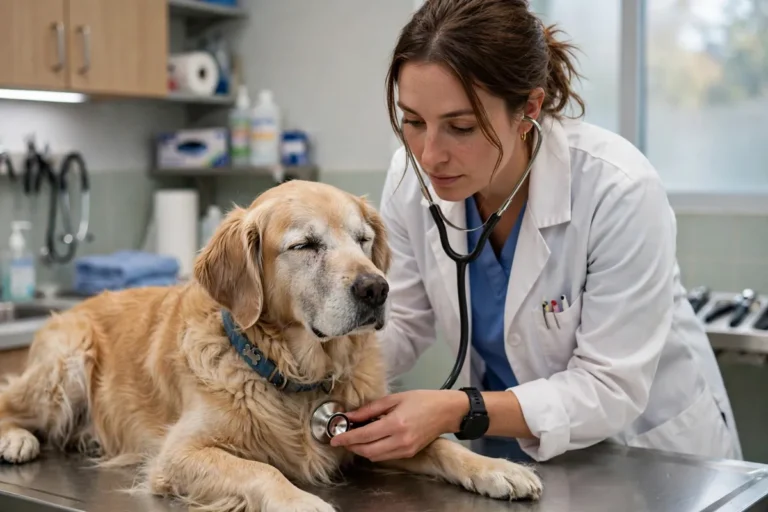
Call your vet promptly, or seek urgent vet care, if you notice any of these signs. Do not wait to see if they pass on their own.
- Blood in stool or vomit, or black, tarry stool
- Diarrhea lasting more than a day
- Vomiting that will not stop
- Repeated retching with nothing coming up
- Lethargy, weakness, or obvious pain
- Refusal to eat or drink
- Signs of dehydration, such as a dry mouth or very low energy
- A swollen or hard belly
- Puppies, seniors, and small dogs can become dehydrated more quickly, so call sooner for these dogs
When you call, note when signs started, what your dog ate, and whether eating, drinking, and toileting have changed. That simple record helps your vet decide the next step.
Preventing the Next Upset
Many upsets follow everyday habits. A few simple steps can lower the chance of another upset, without changing your dog’s whole routine at once.
- Keep garbage, compost, and counters secured so your dog cannot scavenge.
- Change foods gradually over several days, not all at once.
- Avoid table scraps and keep treats simple and plain.
- Consider a slow-feeder bowl if your dog eats very fast and then vomits.
- Keep a simple note of what was eaten, when signs started, and stool changes.
Frequently Asked Questions
Can I give my dog just rice for an upset stomach?
Short-term plain rice can be a bland base for a mild upset. Rice alone has little protein, so safe human foods dogs upset stomach plans work better with a plain protein as well, when your vet agrees.
Is pumpkin really necessary for a bland diet?
No. Pumpkin is helpful but optional. Plain chicken and rice can be a starting point, and your vet can help you choose what suits your dog.
How long should a bland diet last?
Use bland food for a short period only, then move back to regular food gradually. If signs last more than a day, get worse, or include any red flag above, call your vet.
Can puppies have a bland diet?
Puppies need extra caution because they can become dehydrated more quickly. Do not try a fast or a new diet on your own. Call your vet promptly for a puppy with vomiting or diarrhea.
What if my dog will not eat the bland food?
Try warming it slightly to release aroma, or offer plain bone broth to encourage fluids. If your dog refuses food or water, or seems unwell, call your vet promptly.
Are scrambled eggs good for a dog’s upset stomach?
Fully cooked plain scrambled eggs can be a gentle protein choice in a small portion. Cook them dry, with no butter, oil, milk, or seasoning, and stop if signs worsen.
Are sweet potatoes better than white potatoes for dogs?
For an upset stomach, plain boiled sweet potato is a simple choice. Plain boiled white potato can also suit some dogs, but keep portions small and ask your vet if you are unsure.
If you keep this guide to safe human foods dogs upset stomach in mind, start plain, watch closely, and call your vet early when you are unsure. For related everyday care, see our guides on husky excessive shedding in spring, golden retriever shedding management, and how often a 2-month-old puppy poops.
Reference
American Kennel Club, Best Foods to Soothe Your Dog’s Upset Stomach.
Still stuck? Get a plan built for your dog.
Answer a few quick questions and get a personalized, force-free training plan in minutes.