How to Stop Your Golden Retriever Digging Up the Garden
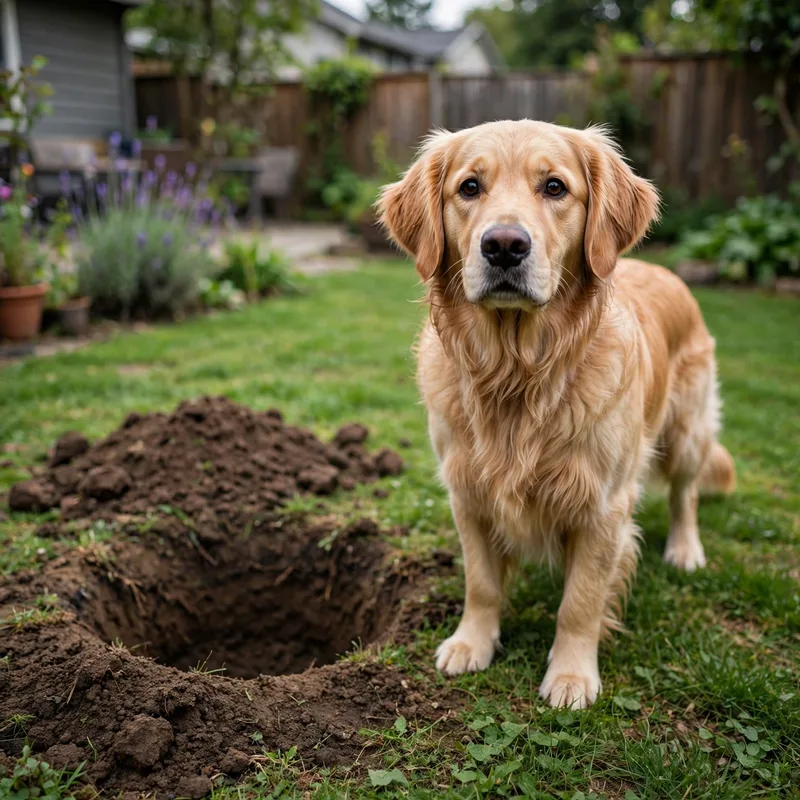
You look out of the window and your lawn has a new crater. Then another. Your Golden Retriever is digging up the garden with the focused enthusiasm of an archaeologist, and your flower beds are the excavation site.
A golden retriever digging up garden beds isn’t being naughty; they’re being a dog. Before you despair, here’s the reframe that changes everything: digging is normal dog behavior.
Your Golden isn’t being disobedient or spiteful. They’re doing something dogs have done forever, and your job isn’t to eliminate it, it’s to redirect it.
The RSPCA puts it plainly: a dog who digs is not being disobedient, and punishing digging without understanding why can compromise welfare and create more problems.
So step one is always the same: figure out why your Golden is digging. Step two is giving them a legal place to do it.
Key Takeaways
- A Golden Retriever digging up garden beds is showing normal canine behavior, not disobedience: boredom, excess energy, cooling off, burying treasures, hunting smells, or anxiety.
- Find the reason first. Digging from boredom, digging to cool down, and digging from anxiety need different fixes.
- The most reliable solution is a designated dig pit: a sandbox or loose-soil area where digging is allowed and rewarded.
- Protect beds with barriers and supervision while you train; address the cause rather than just blocking locations.
- Digging that appears with anxiety, compulsiveness, or sudden behavior changes warrants a vet check.
Your Golden Retriever Digging Up Garden? Start With the Why
Dogs dig for reasons, and your fix depends on which reason is driving the shovel. Run through this diagnostic:
| Reason | Clues | Fix direction |
|—|—|—|
| Boredom / excess energy | Digs when left alone in the yard, random locations, young energetic dog | More exercise, mental stimulation, companionship |
| Cooling off | Digs shallow hollows and lies in them, hot weather | Shade, cool resting spot, water, paddling pool |
| Burying treasures | Digs to hide bones, toys, or chews | Provide acceptable burying outlets; manage high-value items |
| Hunting smells | Digs intensely at one spot, sniffing and listening first | Pest check; redirect to the dig pit |
| Escape | Digs along fence lines | Secure fencing; address what’s motivating escape (boredom, anxiety, intact male roaming) |
| Anxiety / stress | Digs frantically when left alone, paired with vocalizing or destruction | Treat the anxiety (see our separation anxiety guide), vet check |
The RSPCA’s checklist is worth running honestly: is your dog getting enough daily exercise? Enough attention and social company? Enough mental stimulation? Is the yard an interesting place to be, with water, shelter, and things to do? How long are they left alone outside?
Most digging traces back to an unmet need, and most owners find the answer in that list.
Golden-specific note: this is an active sporting breed with a busy brain and a strong nose. A Golden left alone in a boring yard for hours isn’t choosing between digging and admiring your roses. Digging is simply the most interesting option available.
That is why a golden retriever digging up garden beds is rarely a training failure: the breed was built to work, sniff, and dig alongside people all day.
First: Rule Out the Simple Fixes
If a golden retriever digging up garden beds is your daily reality, start with these easy wins before building anything:
Exercise properly. A tired Golden digs less. That means real exercise, not just yard access: walks with sniffing time, fetch, swimming if you have access, training games.
Mental work counts double: ten minutes of scent games or trick training can settle a dog more than an extra lap around the block.
Don’t leave them out there alone all day. Dogs left alone outside for long periods in an uninteresting environment without company or stimulation are the classic diggers.
If you’re out all day, your Golden should be inside (properly exercised first) or have company, not solo in the yard.
Check the heat. If the digging happens on hot days and the holes become napping spots, your dog is making air conditioning. Provide a shaded resting area, fresh water, and consider a shallow paddling pool. Cool dirt is a legitimate need.
Look for what’s underground. Certain scents attract digging: compost, blood-and-bone fertilizer, buried food scraps. Limit access to freshly fertilized areas. If the digging targets one intense spot with lots of sniffing, you may have moles or other underground visitors worth addressing.
Give Your Golden Retriever a Legal Place to Dig
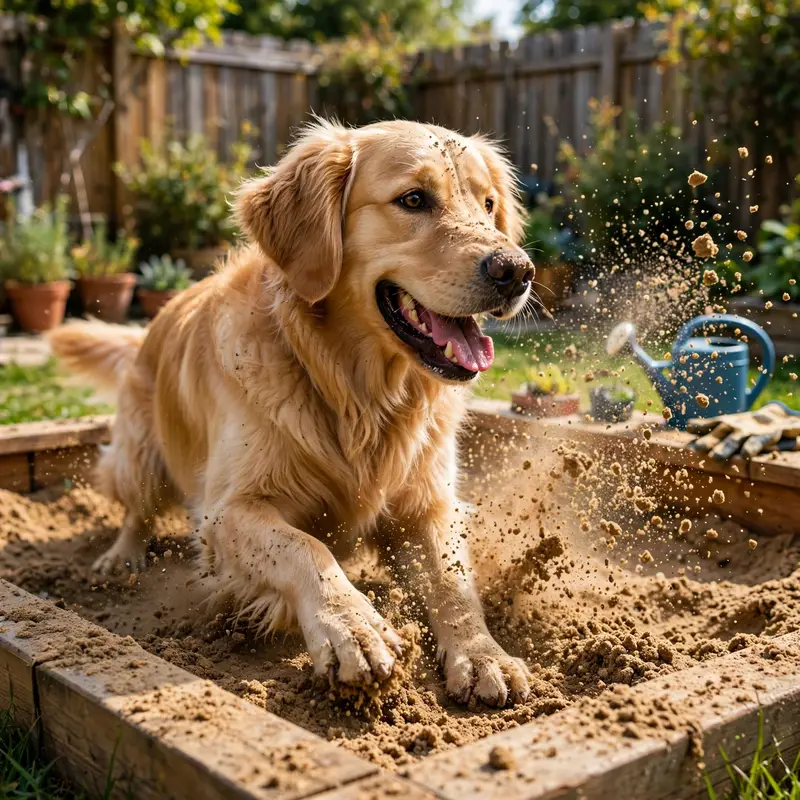
This is the centerpiece of the plan, and it’s what most guides agree on: digging is best controlled rather than eliminated. Build a dig pit.
How to build it:
1. Pick a corner of the yard, ideally partly shaded. A square meter or two is plenty.
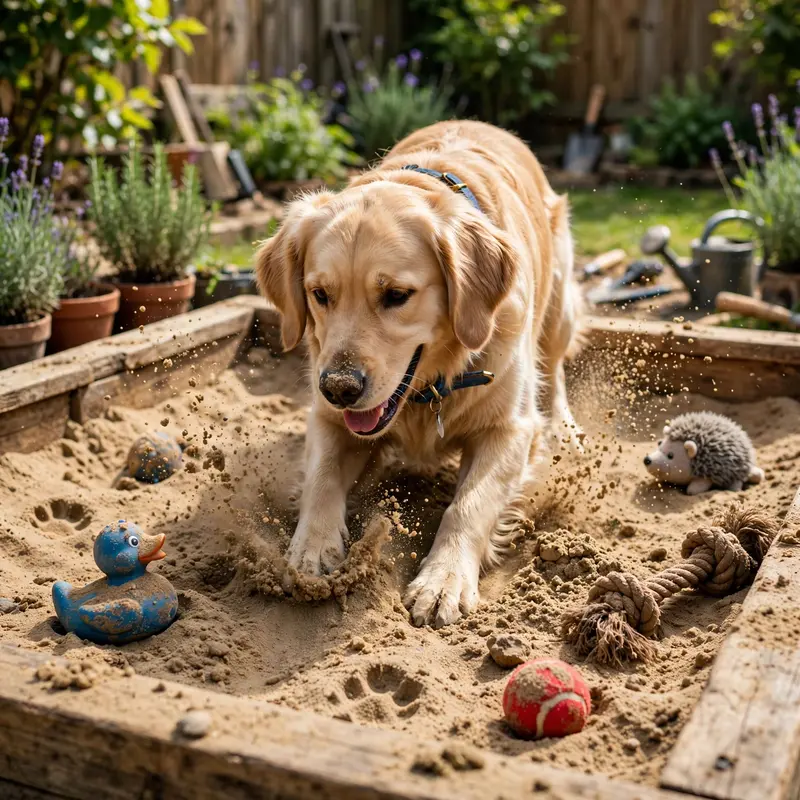
2. Frame it with low wooden boards or use a child’s rigid sandpit shell. Loosen the soil inside or fill with play sand mixed with soil.
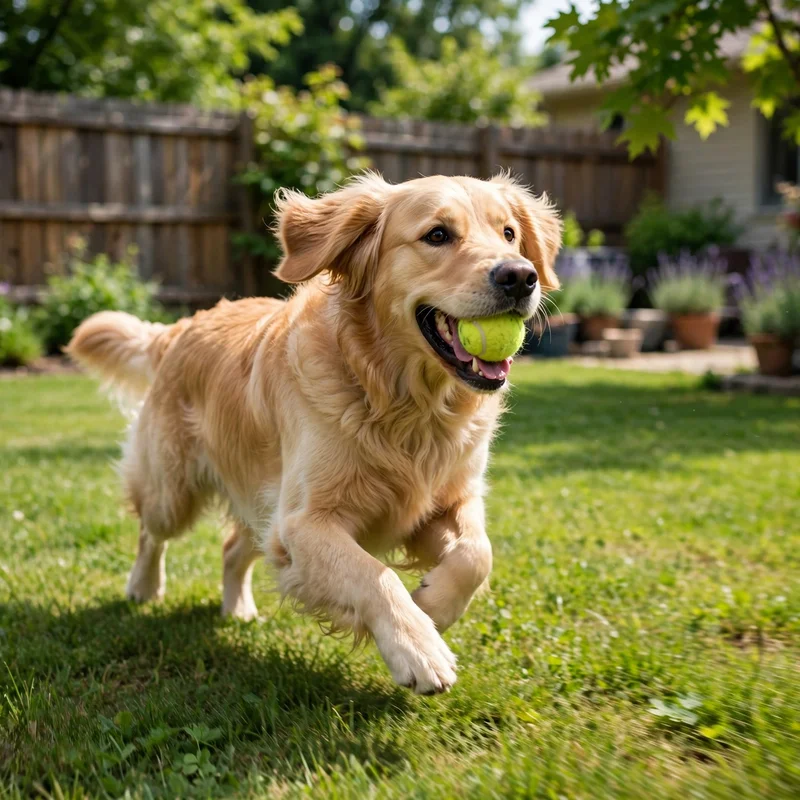
3. Bury treasures: toys, chews, a few treats just under the surface.
4. Take your Golden to the pit, encourage them to dig, and celebrate like they just won a prize when they do. Let them “find” the buried toys. Make the pit the most exciting square meter of the yard.
How to train it:
- Supervise yard time for the first couple of weeks. The moment your Golden starts digging anywhere else, cheerfully interrupt (call them, don’t scold), lead them to the pit, and reward digging there.
- Reward digging in the pit generously at first, then intermittently once the habit sticks.
- If they dig a hole elsewhere while unsupervised, stay calm, fill it in without fuss, and go back to supervised sessions. Punishing after the fact doesn’t work: dogs connect consequences to events seconds old, not hours old, so delayed scolding only confuses and worries them.
Most Goldens take to a dig pit fast because it lets them do the thing they love with your approval. You’re not fighting nature; you’re aiming it.
Most owners find the golden retriever digging up garden problem fades fast once the pit becomes the most rewarding spot in the yard.
Protecting the Garden Beds While You Train
Management buys you time while the training takes hold:
- Supervise yard time during the training phase. You can’t redirect digging you don’t see.
- Fence off prized beds with low decorative fencing or garden edging high enough to be a clear boundary.
- Chicken wire just under the soil surface in protected beds is a commonly used deterrent; most dogs dislike the feel under their paws. Lay it flat, check for sharp edges, and supervise to make sure your dog doesn’t chew or pull it up.
- Rocks and mulch choices: large river rocks around plant bases make digging less appealing; some owners find coarse bark mulch less inviting than bare soil.
- Scent deterrents: vinegar, citrus, or cayenne pepper get suggested a lot, with mixed reported results. Treat them as a mild aid at best, not a solution, and skip anything that could irritate your dog’s nose, eyes, or paws. Addressing the cause beats sprinkling deterrents.
Remember the location-aversion trap: making one spot unpleasant often just moves the digging to a new spot (or creates a new problem like chewing or barking). Barriers plus a legal dig pit plus meeting the underlying need is the combination that actually ends the war.
When Digging Signals Something More
Most golden retriever digging up garden episodes come down to boredom, energy, or instinct. See your vet or a certified behavior professional if:
- The digging is frantic, compulsive, or paired with other anxiety signs (pacing, vocalizing, destruction, house soiling when left alone). Digging can be a symptom of separation anxiety, and the digging won’t resolve until the anxiety does.
- Your dog digs at floors, carpets, or bedding indoors to the point of injury, or can’t be interrupted from digging. Compulsive patterns need professional assessment.
- Digging started suddenly alongside other behavior changes: appetite shifts, lethargy, restlessness, or pain signs. Medical issues can drive new behaviors.
- Your dog is eating large amounts of soil regularly. Occasional mouthfuls of dirt are normal; persistent soil-eating warrants a vet check for dietary or health issues.
Golden Retriever Digging Up Garden: FAQs
Why does my Golden Retriever dig holes and then lie in them?
Cooling off. Freshly turned earth is cooler than the surface, and on hot days a shallow hollow is a natural air conditioner. Provide a shaded resting spot, fresh water, and a paddling pool, and the excavation-for-comfort usually stops.
Will cayenne pepper or vinegar stop my dog digging?
Sometimes mildly, temporarily, for some dogs. Scent deterrents have mixed results and wash away, and strong irritants can bother your dog’s nose and eyes. They’re no substitute for exercise, a dig pit, and supervision. Use them, if at all, as a minor aid while the real plan does the work.
Should I fill the holes with my dog’s poop to stop digging?
This folk remedy gets passed around a lot, but it’s unhygienic, unpleasant for everyone, and doesn’t address why the dog is digging. Most dogs simply dig next to it. Put the effort into the dig pit and the exercise plan instead.
Do Golden Retrievers grow out of digging?
Puppies and adolescents dig the most, and many calm down with maturity, but digging rarely vanishes on its own if the underlying cause (boredom, energy, habit) stays in place. Training a legal outlet works at any age and is more reliable than waiting.
Is it safe to bury chicken wire to protect my garden beds?
It’s a widely used method and generally safe when done right: lay it flat just under the surface, fold or cover any sharp cut edges, and supervise your dog around it so they don’t chew or paw it up. If your dog is a determined chewer of wire, use fencing barriers above ground instead.
My Golden only digs when left alone. Is it separation anxiety?
It can be, especially if the digging comes with barking, howling, escape attempts, or destruction near doors. But it can also be simple boredom from being left alone in the yard too long. Film your dog while you’re gone and compare against the signs in our Golden Retriever separation anxiety guide. If anxiety signs are there, treat the anxiety; the digging usually follows.
## Aim the Shovel, Don’t Fight It A Golden Retriever digging up garden beds is being a dog in the wrong place. Meet the need (exercise, company, cool comfort), build the legal dig pit, protect the beds while the habit transfers, and skip the punishment. Most owners are surprised how quickly the craters stop appearing once the dog has somewhere they’re allowed to excavate.
For the full behavior library, see the Golden Retriever behavior problems pillar and the Golden Retriever category.