The Shiba Inu Scream: What It Means and What to Do
Nothing prepares you for the first shiba inu scream. One minute you’re trimming a nail or picking up your puppy for a bath, and the next your dog is emitting a high-pitched, horror-movie shriek that makes the neighbors wonder what is happening.
New owners panic. Some rush to the vet convinced their dog is dying. Most Shibas are simply exercising the breed’s most infamous talent: complaining loudly and theatrically about things they find unacceptable.
The scream is almost never an emergency, but it is communication, and it deserves to be understood.
Some screams mean “I am outraged,” some mean “I am thrilled to see you,” and a few mean “something hurts.” This guide helps you tell them apart and gives you a humane, force-free plan for turning the drama down.
Key Takeaways
- The shiba inu scream is a normal breed vocalization: a high-pitched shriek used for protest, displeasure, excitement, and sometimes fear.
- Most screaming is about handling and restraint (nail trims, baths, vet exams), not pain, but a scream alone can’t prove that.
- Never reward the scream by releasing the dog mid-shriek. Wait for a moment of quiet, then ease the pressure.
- Cooperative handling and slow desensitization are the real fixes for handling-related screaming. Punishment makes it worse.
- Sudden new screaming, screaming when touched in one spot, or other pain signs mean a vet visit first, before any training.
What the Shiba Inu Scream Sounds Like
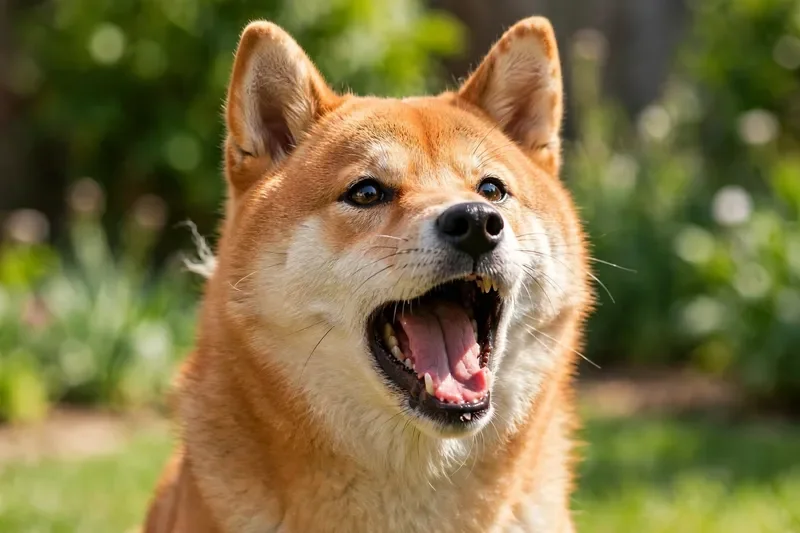
It’s hard to describe and impossible to mistake: a piercing, high-pitched yowl-scream, somewhere between a siren and a squeaky toy under serious duress. Owners often describe it as sounding like the dog is being badly hurt, which is exactly why it causes so much panic. Some Shibas also have a lighter version: a rambling yelp-mumble that never quite reaches full scream.
Context helps. Shibas are not constant barkers. They are a relatively quiet day-to-day breed, descended from Japan’s mountain hunting dogs and the smallest of the country’s native breeds. When a normally reserved dog suddenly lets loose with a sound like that, the contrast is startling. The scream is reserved for moments of strong feeling.
When Shibas Scream: Protest, Excitement, and Displeasure
Almost all shiba inu screaming falls into one of these buckets:
Protest during handling. The classic triggers: nail trims, baths, grooming, vet exams, being picked up or restrained. Many Shibas dislike being held still and dislike strangers handling their bodies. The scream starts the moment they feel trapped, and its message is simple: stop that immediately.
Excitement. Not all screaming is negative. Many Shibas greet their owner’s return home, or the sight of the leash or a favorite toy, with an ecstatic happy scream, usually with a loose, wiggly body and spinning. If you have a happy screamer, enjoy it. Suppressing joy is never the goal.
General displeasure and frustration. Being asked to do something they’d rather not, being stopped mid-pursuit of an interesting smell, a collar adjustment they didn’t order. The scream is how opinions get aired: the breed’s way of filing a formal complaint.
Fear and anxiety. Unfamiliar environments, strangers looming over them, sudden startling events. A genuinely frightened Shiba may scream too, and the fix here is comfort and confidence-building.
The Shiba Inu Scream vs. a Pain Yelp: How to Tell the Difference
Most Shiba screaming is theater, but dogs do scream in pain, and this breed’s reputation makes it easy to dismiss a real problem. Tell them apart by context and body language, never by volume alone.
Likely protest or excitement: the scream starts exactly when the disliked thing starts and stops when it stops. The dog is alert and directed, and between episodes they eat, play, walk, and move normally.
Warrants a closer look: the scream happens when you touch a specific spot, when the dog gets up or lies down, or during ordinary movement. Watch for pain signals alongside it: stiffness, reluctance to climb stairs or jump, limping, flinching when touched in one area, panting at rest, appetite loss, or a dog suddenly quieter than usual. Any sudden change is a vet visit first, before any training plan. Pain makes every behavior worse, and no training protocol works on a dog who hurts.
If you’ve ever cut the quick, screaming at future trims is learned fear from a genuinely painful experience, not drama. Take less nail, more often, or have your vet or groomer handle it while you rebuild the association.
Why Shibas Scream: Communication, Not Dominance
The Shiba Inu is an old Japanese hunting breed, independent by design. The scream is simply this breed’s volume knob: where a Labrador might sigh, a Shiba lets out the scream.
It isn’t dominance, spite, or “the boss” behavior. Your Shiba is a sensitive, strong-willed dog who hates restraint and has learned that screaming sometimes makes it stop.
The Plan: Quieting the Shiba Inu Scream Without Force
Step 1: Never let the scream “win.” If your Shiba screams during a nail trim and you immediately release them, you’ve just paid handsomely for screaming. Next time they’ll scream sooner and louder.
Instead of pinning a screaming dog and pushing through, wait for a breath, a pause, any tiny moment of quiet, and release in that moment. Everyone in the household must follow this. One person who always caves keeps the behavior alive.
Step 2: Teach cooperative handling. Instead of restraining the dog and doing things to them, teach them to participate. Start with easy handling (touching a paw, lifting a lip, holding an ear), each followed by a treat, in sessions of a minute or two. Always let the dog walk away. A dog who can opt out screams less, because screaming is partly about feeling trapped. Many vet clinics allow happy visits where the dog just gets treats on the scale and leaves.

Step 3: Desensitize the specific trigger. Take the top screaming scenario and break it into steps small enough that the dog stays calm. For nail trims: touch the paw, treat. Hold the paw two seconds, treat. Touch the clipper to the nail without cutting, treat. Clip one nail, jackpot treat, done for the day. If the dog stresses at any step, drop back to the last easy one. For baths, the same ladder applies: treats near the tub, then in the dry tub, then with a little water.
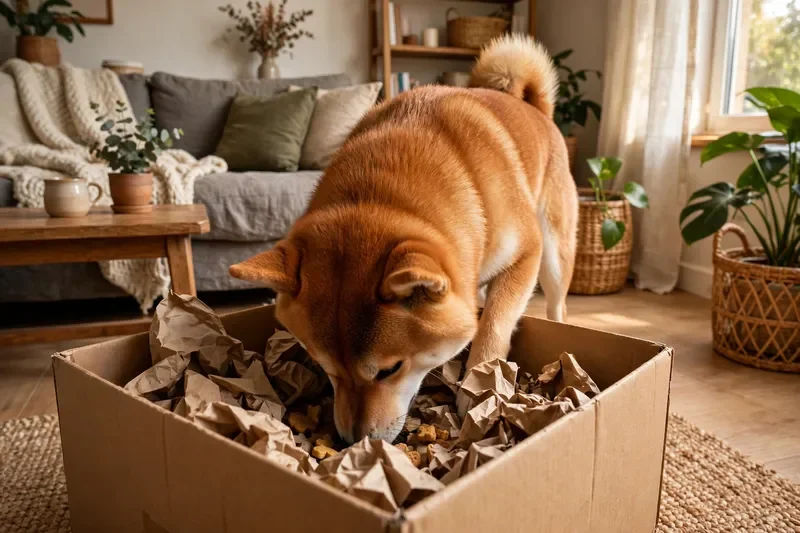
Step 4: Give the big feelings a better outlet. A Shiba whose life is rich screams less about small frustrations. Daily sniffy walks, food puzzles, nose-work games, and short training sessions all lower the baseline frustration that fuels the drama. Recall training is especially worthwhile for this independent breed; see our guide to Shiba Inu recall training alongside this one.
Step 5: Capture and reward quiet. Notice the moments your Shiba tolerates something mildly annoying without screaming (the paw held calmly, the bath endured quietly) and pay those moments. Dogs repeat what gets rewarded.
What NOT to Do When Your Shiba Screams
Don’t yell back or punish. Scolding, leash corrections, or reaching for a shock or prong collar to “correct” screaming is exactly backwards. The American Veterinary Society of Animal Behavior’s position statement on humane dog training recommends that only reward-based methods be used for all dog training and behavior work, and specifically advises against aversive methods and tools, including electronic collars, prong collars, choke chains, and leash corrections, because they harm welfare and the human-animal bond without outperforming reward-based methods. Punishment adds fear to an already charged situation, and a dog punished for screaming often just learns to bite instead.
Don’t flood. Forcing the dog to “just get used to it” by holding them through a full nail trim while they scream teaches them that you’re not listening and poisons every future session. Flooding erodes trust. Desensitization builds it.
Don’t laugh it off forever. The happy greeting scream is fine. But screaming at every nail trim for years, treated as a joke, means the dog spends years stressed about routine care. Address the handling issue underneath.
Apartments and Neighbors: Living With a Screamer

The shiba inu scream is genuinely loud, and thin walls carry it. Management matters while you work the plan:
- Warn the neighbors early. A quick heads-up that your breed is famous for dramatic (but harmless) vocalizing during grooming buys a lot of goodwill.
- Schedule noisy care thoughtfully. Do nail trims and baths at reasonable hours, not late at night, and close windows during training sessions.
- Reduce trim frequency. A scratch board the dog digs at to file their own nails, plus regular walks on pavement, can cut down how often the clippers come out.
When to Worry: Get a Vet Involved
Most shiba inu screaming is a training and handling project. See the vet promptly when a previously quiet dog suddenly starts screaming, when the scream is tied to touching one body part or to movement, or when you see stiffness, limping, flinching, panting at rest, appetite loss, or unusual lethargy.
Frequently Asked Questions
Do Shiba Inus bark a lot?
Compared to many breeds, no. They’re watchful rather than yappy. But “not a barker” and “quiet” are different things: the breed expresses itself through the scream, yodels, and grumbles. A Shiba household is rarely silent; it’s just not barky.
Will my Shiba grow out of the scream?
Unlikely on its own. Puppies may scream more because everything is new, but the shiba inu scream is a breed trait, not a phase. What changes it is training: cooperative handling, desensitization, and consistent rules about what screaming achieves.
Can I train my Shiba to scream on cue?
You can, but fix the handling problem first. Putting the scream on cue can give the happy version an approved outlet and make a “quiet” cue easier to teach. But a cue doesn’t fix protest screaming rooted in bad handling experiences.
Should I comfort my Shiba when they scream from fear?
Yes. The old advice that comforting a frightened dog “rewards the fear” is a myth. Fear is an emotion, not a behavior you can reinforce with kindness. Calm reassurance and distance from the scary thing are the right moves for genuine fear.
The shiba inu scream is one of those breed traits that’s funny in videos and exhausting in real life, until you understand it. Once you read it as communication, rule out pain, and rebuild the handling from the dog’s side, the drama fades. For more on living well with this independent breed, see our Shiba Inu recall training guide and browse all our Shiba Inu guides.