Dachshund Potty Training Problems (and How to Fix Them)
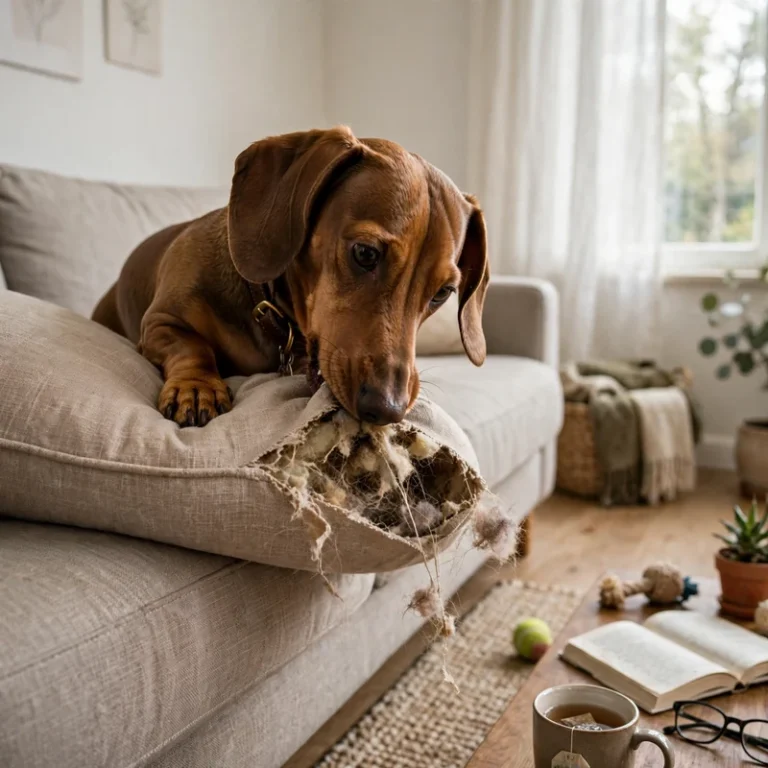
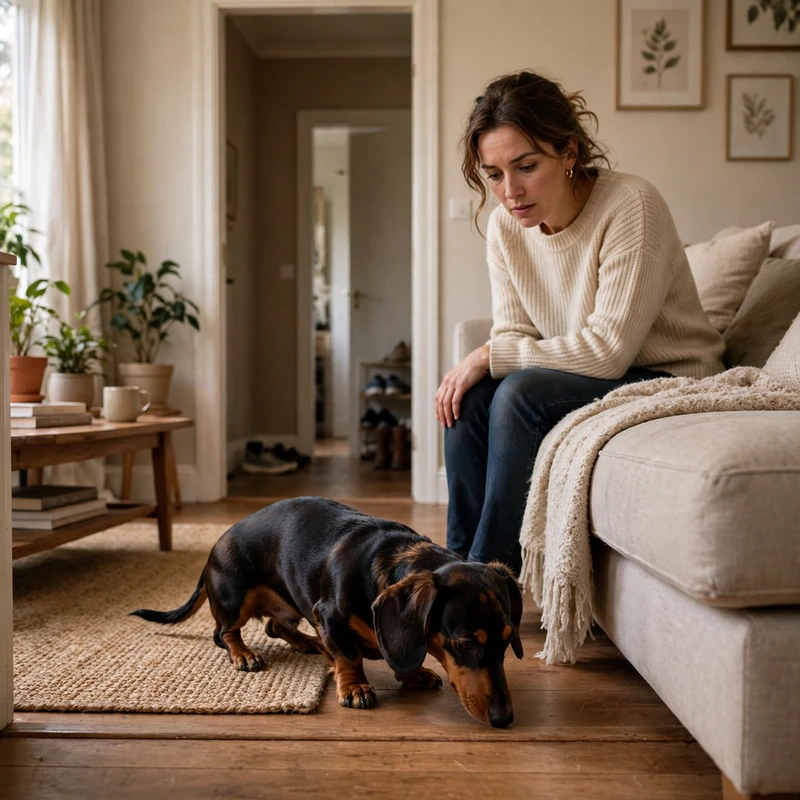
You did everything right. The schedule, the treats, the 6 a.m. garden trips in your slippers. And yet there’s a warm puddle on the rug — and if dachshund potty training problems are wearing you down, you’re not alone.
Your Dachshund is watching you with the serene expression of a dog who has never heard the word “outside.”
This is the troubleshooting manual: what each problem actually means, and how to fix it without yelling, nose-rubbing, or despair.
This guide is for dogs who were doing fine and slipped, or never got reliable. Starting from zero with a brand-new puppy? Our step-by-step puppy potty training guide covers the schedule, the crate setup, and the first weeks.
Key Takeaways
- Most Dachshund potty problems trace back to three breed traits: a small bladder, a deep hatred of cold wet weather, and a nose that hijacks the mission.
- Accidents are never spite or revenge. Punishment doesn’t teach toilet rules; it teaches the dog to hide from you.
- Regression is information. Look for what changed (routine, stress, health) before you retrain.
- Marking, excitement peeing, and weather refusal each need a different fix; find yours below.
- Sudden house-soiling in a reliable adult, or any straining, pain, or blood, means a vet visit before a training plan.
The Breed Realities Behind Dachshund Potty Training Problems
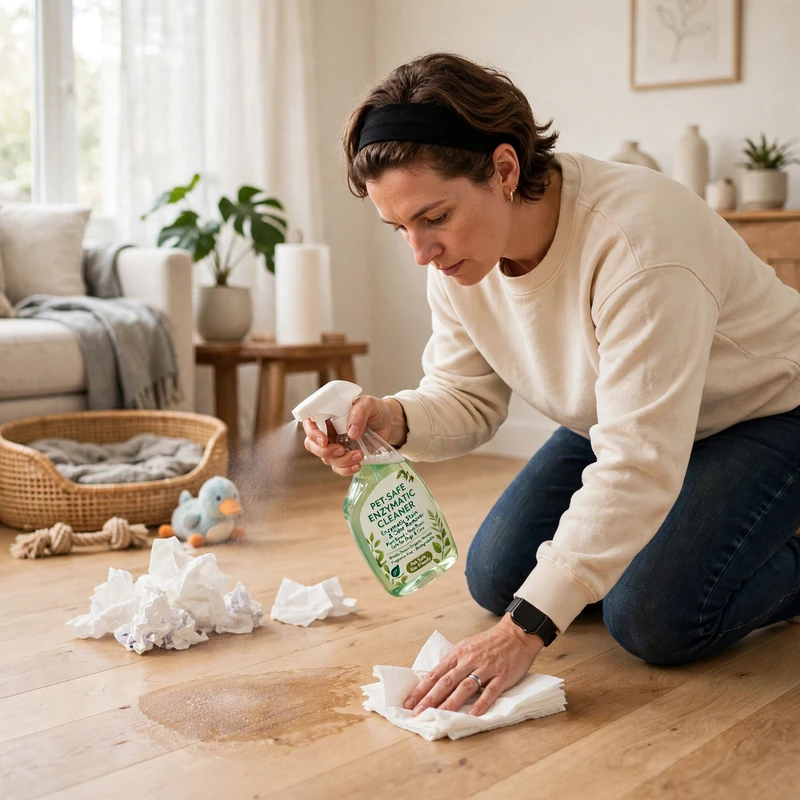
Dachshunds aren’t “bad” at potty training; they’re built in ways that make it trickier than average.
Small bladder, frequent needs. Dachshunds are small dogs with correspondingly small bladders: they physically need to go more often than a Labrador, and young ones find it genuinely hard to hold on. Many owners report slower progress than with bigger breeds. That’s plumbing, not defiance.
Weather hatred is real. Cold rain, wet grass, and snow are treated as personal insults. A Dachshund who happily potties outside in May may stage a full protest in November. If accidents spike when the weather turns, suspect the weather.
The nose overrides the mission. Your dog goes outside, finds a fascinating smell, investigates for ten minutes, forgets why they came out, and finishes the job on the living room rug. Distraction, not disobedience.
“Stubborn” usually means unclear. What looks like stubbornness is almost always one of three things: the dog doesn’t fully understand the criteria, they got too much unsupervised freedom too soon, or the reward for going outside wasn’t worth it. None of those are fixed by getting tougher; all are fixed by getting clearer.
Rule Out Medical Causes First
Training can’t fix a medical problem. Rule these out before changing anything else:
- Urinary tract infection (UTI). Frequent attempts, tiny amounts, straining, cloudy or bloody urine, or genital licking. A common cause of sudden accidents; your vet can test and treat it.
- Sudden regression in an adult. A previously reliable adult who starts soiling indoors deserves a vet check first, to rule out UTIs, bladder stones, and other medical causes.
- Increased drinking and peeing. Noticeably more water intake plus more accidents can signal issues your vet should investigate, especially in seniors.
- Pain or discomfort. Straining, crying while peeing, or blood in the urine is a prompt vet visit, not a training question.
If your dog checks out healthy, the rest of this guide is your plan.
The Most Common Dachshund Potty Training Problems (and Their Fixes)
1. Regression: they were doing great, now it’s rugs again. The most common complaint, almost always triggered by something: a house move, a new pet or baby, a changed work schedule, travel, adolescence, or stress. Dogs don’t regress to annoy you; something in their world shifted. Fix: run the 48-hour reset below. If the regression was truly sudden with no lifestyle change, check the vet section first.
2. Marking in the house. Small amounts of urine on vertical surfaces: furniture legs, doorframes, sofa corners. Usually an intact male, a new dog in the home, or stress after a move. This is communication, not a full bladder. Fix: supervise closely and interrupt cheerfully mid-lift (a bright “oops!”, not a roar), then take the dog to the proper spot and reward. Clean every marked spot with an enzymatic cleaner so the scent doesn’t invite repeats. Neutering can reduce marking in some males but isn’t guaranteed.
3. Excitement or submissive urination. Peeing when you come home, when guests arrive, when you bend over the dog, or when the dog is scolded. This is involuntary and usually improves as the puppy matures and gains confidence. Fix: keep greetings low-key for a few weeks. Don’t loom, don’t scold for the peeing itself, and greet at the dog’s level or outside. Build confidence with short, successful training sessions. Punishment makes it worse, because fear feeds submissive urination.
4. Refusing to go out in cold or rain. The signature Dachshund problem: the dog reaches the door, feels the weather, and vetoes the expedition. Fix: make going out painless. Set up a sheltered potty spot (a porch overhang or pop-up canopy), clear a path through snow to grass, and consider a warm coat for winter. Go with them, keep the trip short, and pay a jackpot reward for braving the elements.
5. Pees right after coming back inside. This almost always means the dog didn’t empty outside: they got distracted, you got cold, the trip ended too soon. Fix: stay out longer but keep it boring (leash, same spot, no play until the job is done). If nothing happens after a reasonable try, confine them (crate or tether) for 10–15 minutes with no freedom, then try again. Freedom indoors is earned by an empty bladder.
6. Pads taught them “inside is fine.” Puppy pads are convenient, but they teach some dogs that soft indoor surfaces are toilets, and rugs look a lot like pads. Fix: move the pad gradually toward the door, then outside to the real spot. Or go cold turkey: pads away, supervision up, schedule tight. Reward outdoor potties generously so the new rule is unmistakable.
The 48-Hour Reset
When things have slid, go back to basics for two days:
- More breaks. Take the dog out hourly during the day, plus after every meal, nap, play session, and drink.
- Leash to the same spot. Every trip, same place, same cue word (“go potty”), boring posture until they perform.
- Jackpot rewards. High-value treats the instant they finish, every single time. For two days, outside potties pay better than anything else in the dog’s life.
- Zero unsupervised freedom. Tether the dog to you, use baby gates, or crate them when you can’t watch. Most accidents happen in the minutes nobody was looking. Our crate training guide covers setup.
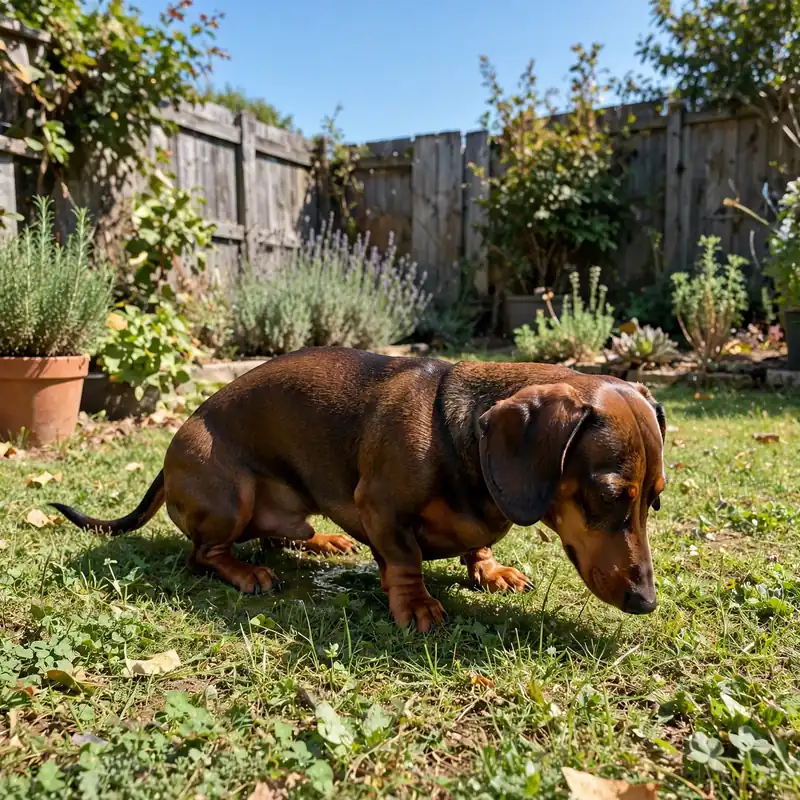
- Enzymatic-clean every old spot. Regular cleaners mask odor for humans; enzymatic cleaners break down the compounds that tell a dog “toilet here.”
- Log the accidents: time, place, what happened just before. Patterns jump out fast. If accidents cluster around alone time, read our guide to destructive behavior when left alone; anxiety-driven soiling needs a different approach.
Two strict days usually reveal whether the problem was management (freedom, schedule) or something deeper.
Why Punishment Makes Everything Worse
Never rub a dog’s nose in an accident, never yell after the fact, never use physical corrections for house-soiling. Here’s why it backfires:
- The dog can’t connect it. Finding a puddle and shouting teaches the dog that you’re frightening near puddles. It doesn’t teach them to hold it or go outside, because the lesson arrives minutes after the behavior.
- They learn to hide. Punished dogs don’t stop peeing indoors; they start peeing behind the sofa or in the spare room. Now you have the same problem plus a dog who’s afraid of you.
- It worsens submissive urination. Scolding a dog who pees from anxiety or submission adds fear to the exact emotion causing the peeing.
What to do instead: catch them mid-act, interrupt cheerfully (“oops!”), head outside immediately, and reward if they finish there. Found it after the fact? Say nothing, clean with enzymatic cleaner, and ask what management failed. The accident is data, not defiance.
When to Call the Vet
Training assumes a healthy dog. Call your vet if:
- A previously house-trained adult suddenly starts having accidents
- There’s straining, crying, blood, or cloudy urine
- Your dog is drinking and urinating noticeably more than usual
- Accidents come with lethargy, appetite changes, or vomiting
- A puppy strains or seems painful when peeing
Medical causes need medical answers. No training plan fixes a UTI.

Frequently Asked Questions
Why did my house-trained Dachshund suddenly start having accidents?
Look for what changed first: schedule, household members, new pets, travel, stress, or weather. If nothing changed and the regression was sudden, see your vet to rule out a UTI or other medical cause. If life changed, run the 48-hour reset above and tighten supervision until reliability returns.
How do I stop my Dachshund marking in the house?
Supervise and interrupt cheerfully mid-mark, redirect to the proper spot, and clean every marked area with an enzymatic cleaner. Reduce triggers like unsupervised access to favorite marking spots. Neutering can help some males but isn’t guaranteed. Sudden marking in an adult warrants a vet check.
My Dachshund pees when excited or when I get home. What do I do?
Keep arrivals boring: no high-pitched greetings, no looming over the dog, no scolding for the pee itself. Greet calmly, ideally outside or at the dog’s level. This is involuntary and usually improves with maturity and confidence. Punishment makes it worse.
Why won’t my Dachshund pee outside in the rain or cold?
Because they’re a Dachshund. Set up a sheltered potty spot, clear snow paths, try a coat, keep trips short, and reward bravery generously. For truly extreme weather, a covered balcony tray in one consistent spot is a fair compromise.
Should I punish my dog for accidents in the house?
No. Punishment after the fact doesn’t teach toilet rules; it teaches fear and sneakier peeing. Interrupt mid-act cheerfully, redirect outside, reward the right choice, and fix the management gap that allowed the accident. Never rub a dog’s nose in it.
Could it be a urinary tract infection?
If accidents came on suddenly, especially with frequent small pees, straining, cloudy or bloody urine, or genital licking, a UTI is a real possibility. Only your vet can diagnose it, and it needs proper treatment. Don’t try to train through a medical problem.
—
Most Dachshund potty training problems are management problems in disguise: too much freedom, too few breaks, a scary garden in November. Fix the setup, reward the right choice, skip punishment entirely. For the full breed picture, read the complete Dachshund behavior guide, and explore all Dachshund guides.