
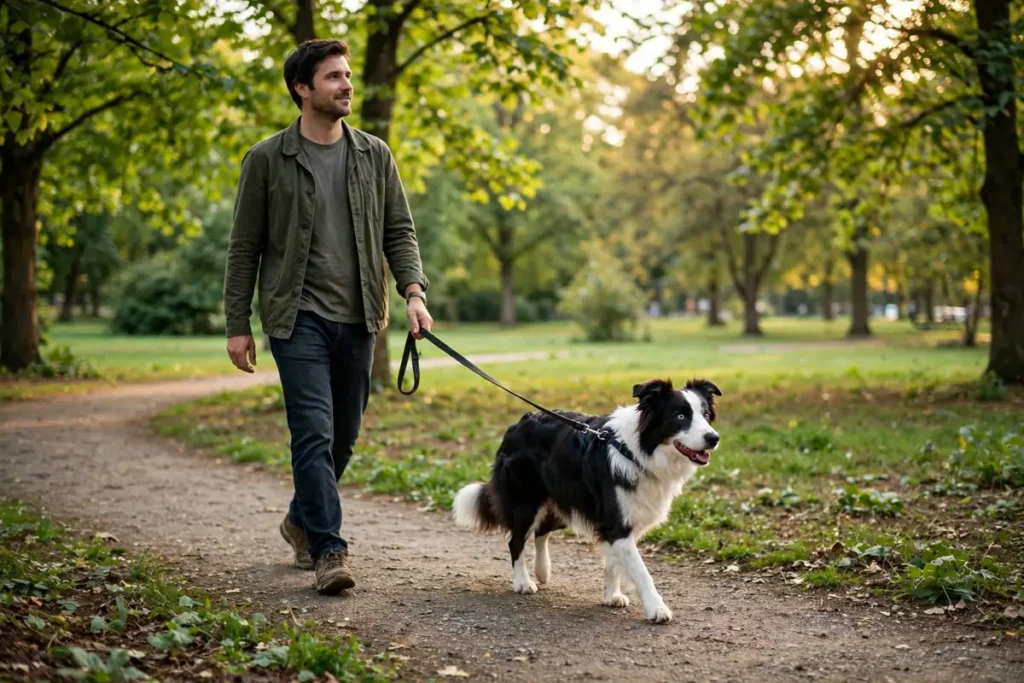
 Leash pulling is not defiance — it is physics. Every step forward while the leash is tight teaches your dog that pulling works. This helper builds you a training plan matched to how severe the pulling is, where you walk, and what your dog is pulling toward, using only reward-based methods.
How it works
Tell us about your dog, how bad the pulling is, your usual walking environment, and your current equipment. The helper matches you to a severity-level training track (mild, moderate, or severe), adds environment-specific adjustments, and gives you trigger-specific exercises plus equipment recommendations.
Who it's for
For any owner whose walks feel like a tug-of-war — from the occasional puller to the full sled-dog. Especially useful if you have tried “just stopping” and it did not stick, because the plan layers several techniques together.
Frequently asked questions
Will a no-pull harness stop the pulling on its own?
No — and anyone who tells you otherwise is selling something. A front-clip harness is a management aid: it makes pulling less rewarding and gives you steering control while you train. The actual behavior change comes from the exercises in your plan (rewarding position, be-a-tree, direction changes). Think of the harness as training wheels, not the engine.
Do you ever recommend choke chains, prong collars, or e-collars?
Never. This tool only recommends force-free methods and equipment. Aversive tools can suppress pulling in the moment through pain or fear, but they risk fallout: increased reactivity, damaged trust, and new behavior problems. If someone has told you your dog "needs" one, consider it a sign to find a certified force-free trainer instead.
How long before walks actually improve?
With two short daily sessions (5–10 minutes each), most owners notice a real difference in 2–4 weeks. Severe pullers and highly distractible adolescents can take longer — progress is rarely linear, so expect good days and regression days. Consistency beats session length every time.
My dog only pulls toward other dogs. Will this plan cover that?
Yes — tell the helper that other dogs are the main trigger and you will get LAT (Look At That) and distance-management exercises layered into your plan. One caution: if your dog lunges, barks intensely, or shows aggression toward other dogs rather than just excitement, work with a certified behavior professional in person rather than relying on a DIY plan.